Broadway Show Finder
Not sure which show to pick for your first trip? Tell us what you're looking for, and we'll suggest the perfect Broadway experience.
Quick Tips for Your First Trip
- Go for the 'Big' Hits: Stick to shows with a massive reputation for a reason-they're designed to appeal to everyone.
- Check the Vibe: Decide if you want a laugh-out-loud comedy or a tear-jerker before booking.
- Timing Matters: Matinees are great for families; evening shows have a higher energy.
- Dress Code: Smart casual is the standard. You'll see everything from sneakers to tuxedos.
When we talk about Broadway is the professional theater industry located in the Theater District of Manhattan, New York City, specifically those productions in theaters with 500 or more seats. It isn't just a street; it's a gold standard for live performance. For a beginner, the best show is usually one that balances a strong plot with a high-energy score. You want something that feels like an event, not just a story.
The Gold Standard for First-Timers
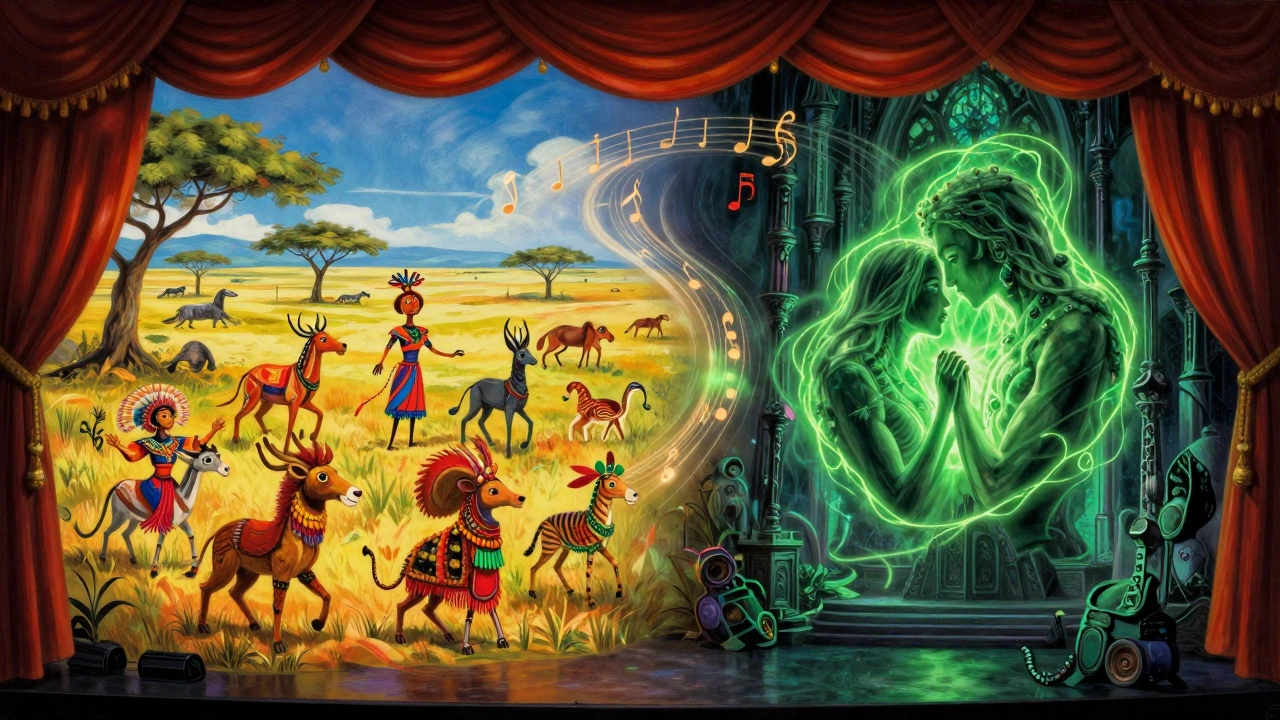
If you want a guaranteed win, you can't go wrong with The Lion King. Why? Because it transcends the typical musical format. It uses puppetry and avant-garde costume design to bring the African savanna to life. For someone who has never seen a show, the visual spectacle alone is enough to justify the ticket price. You aren't just watching actors sing; you're watching a living painting move across the stage.
Then there's Wicked. This is often the top choice for people who love a bit of fantasy and emotional depth. It tells the "untold" story of the witches from The Wizard of Oz. The music is designed to stay in your head for weeks, and the climax is one of the most powerful moments in modern theater. If you're looking for that classic "Broadway feeling"-big sets, soaring vocals, and a bit of magic-this is your best bet.
Picking Based on Your Mood
Not everyone wants a grand spectacle. Maybe you're more into a laugh or a bit of history. This is where you have to match the show's energy to your own. If you want to leave the theater feeling like you're walking on air, go for a comedy. If you want to be challenged or moved, look for something with more dramatic weight.
| If You Want... | The Best Choice | Why It Works | Intensity Level |
|---|---|---|---|
| Pure Spectacle | The Lion King | Visuals and costumes are unmatched | High |
| Emotional Journey | Wicked | Strong character arcs and hit songs | Medium-High |
| Fast-Paced Humor | The Book of Mormon | Sharp wit and catchy numbers | High |
| Classic Elegance | The Phantom of the Opera | Gothic atmosphere and timeless music | Medium |
The High-Energy Comedy Route
If the idea of a three-hour emotional drama sounds exhausting, look toward The Book of Mormon. It's written by the creators of South Park, so expect it to be irreverent, loud, and occasionally shocking. It's a great choice for people who are skeptical of musicals. It proves that theater doesn't have to be "stuffy" or formal; it can be a wild ride that feels more like a stand-up comedy special with a full orchestra.
The pacing here is key. Unlike some older classics that take an hour to get moving, modern hits move quickly. They use Musical Theater conventions-like the "I Want" song where a character explains their goal-to make sure you never feel lost in the plot. Even if you've never seen a play in your life, you'll understand exactly what's happening within ten minutes.
Dealing with the "First-Timer's Anxiety"
Most people are nervous about two things: where they sit and how much they'll spend. Let's be real-some of those "premium' tickets are highway robbery. You don't need to sit in the first three rows to have a great experience. In fact, sitting slightly back in the 10th to 15th row often gives you a better view of the full choreography and set design.
If you're on a budget, look into TKTS. This is the official booth in Times Square where you can find discounted tickets for the current day or next day. It's a bit of a gamble because you're limited to what's available, but it's the most honest way to get a deal without falling for random street promoters who try to sell you "lottery" tickets.

The Logistics of the Theater Experience
Once you've picked your show, there's the actual act of attending. Broadway theaters are old. Some are beautiful landmarks; others are cramped and have seats that barely recline. Pro tip: arrive at least 45 minutes early. Not just to find your seat, but because the lines for the restroom and the merchandise stands are brutal right before the curtain rises.
You'll notice that Intermission is a standard part of the experience. This is your chance to stretch your legs and discuss the first act. Use this time to grab a drink or a snack, but keep an eye on the clock. If you're late returning, you might find yourself awkwardly shuffling past other patrons in the dark while the orchestra is already starting the second act.
Avoiding Common Newbie Mistakes
One of the biggest mistakes beginners make is picking a show based solely on a movie they liked. While Adaptations can be great, the stage version is a different beast. A movie has close-ups and editing; a play has physical presence and live energy. Look for shows that were specifically written for the stage-they usually have a better flow and more engaging musical numbers.
Also, don't feel pressured to see a "legendary" show if the reviews for the current cast are lukewarm. Broadway casts change. A show that was amazing ten years ago might be struggling today because the new lead lacks the chemistry of the original. Check recent fan forums or critics' notes from the last few months to make sure the current production is still hitting its marks.
Do I need to know the story before I go?
Not at all. Most Broadway shows are designed to be accessible. While knowing the basic plot of something like 'The Lion King' helps, the productions are built to guide you through the story visually and musically. Just go in with an open mind and let the performance tell you the story.
What should I wear to my first show?
The old rule that you must wear a tuxedo or a gown is dead. Most people wear 'smart casual'-think a nice pair of jeans and a button-down or a simple dress. If you're seeing a very high-end production on a Saturday night, you might see more formal attire, but you'll never be turned away for wearing clean, presentable clothes.
Are there shows that are better for kids?
Absolutely. 'The Lion King' and 'Aladdin' are the gold standards for families because of the colorful costumes and familiar stories. Just be aware that some shows, like 'The Book of Mormon', are strictly for adults due to language and mature themes. Always check the age recommendation on the official show website.
How do I get the cheapest tickets safely?
Avoid the people on the street handing out flyers. Your safest bets are the official box office of the theater, the TKTS booth in Times Square, or reputable sites like TodayTix. Avoid third-party resellers unless you're okay with paying a massive markup for a specific seat.
What happens if I arrive late?
You won't be let into the theater the moment you arrive. Most shows have 'late seating' policies where you have to wait in the lobby until a designated break in the action (usually after a big song) so you don't distract the other audience members. Try to be in your seat before the curtain goes up to avoid this.
Next Steps for Your Theater Journey
Once you've survived your first show, you'll probably find yourself craving more. The natural next step is to explore Off-Broadway. These are smaller theaters (usually fewer than 500 seats) where you'll find more experimental, intimate, and often cheaper productions. It's a completely different vibe-less glitz, more raw emotion.
If you loved the music, start digging into the history of the composers. Understanding the difference between a Sondheim piece and a Lloyd Webber production will help you pick your next show based on the style of music you prefer. From there, the world of theater opens up, and you can start chasing those smaller, hidden gems that don't have the neon lights of Times Square but have just as much heart.