Street Art Knowledge Quiz
How well do you understand the evolution of street art from vandalism to a global cultural commodity? Take this quick quiz to find out.
1. According to the article, what is the primary shift in how cities treat street art in 2026 compared to the past?
2. What paradox does digital visibility create for modern street artists?
3. How has the street art market changed from 2020 to 2026?
4. Which city is highlighted as having legally protected and celebrated graffiti as part of its identity?
5. Why do some critics argue that street art's rebellious spirit is diluted?
You walk past a building on your way to work. It’s covered in vibrant spray paint, maybe a stencil of a rat, or a massive mural of a local hero. You stop. You take out your phone. You snap a picture. But does that mean street art is still alive and kicking, or are we just looking at the leftovers of a trend that peaked a decade ago?
The short answer? Yes, but it looks different than it did when Banksy was first breaking into headlines. In 2026, street art isn’t just rebellion against the gallery system; it’s a complex ecosystem involving city councils, tourism boards, and digital collectors. If you think it’s dead because you don’t see as many illegal tags on subway trains, you’re missing where the energy has moved.
The Shift From Vandalism to Institutional Acceptance
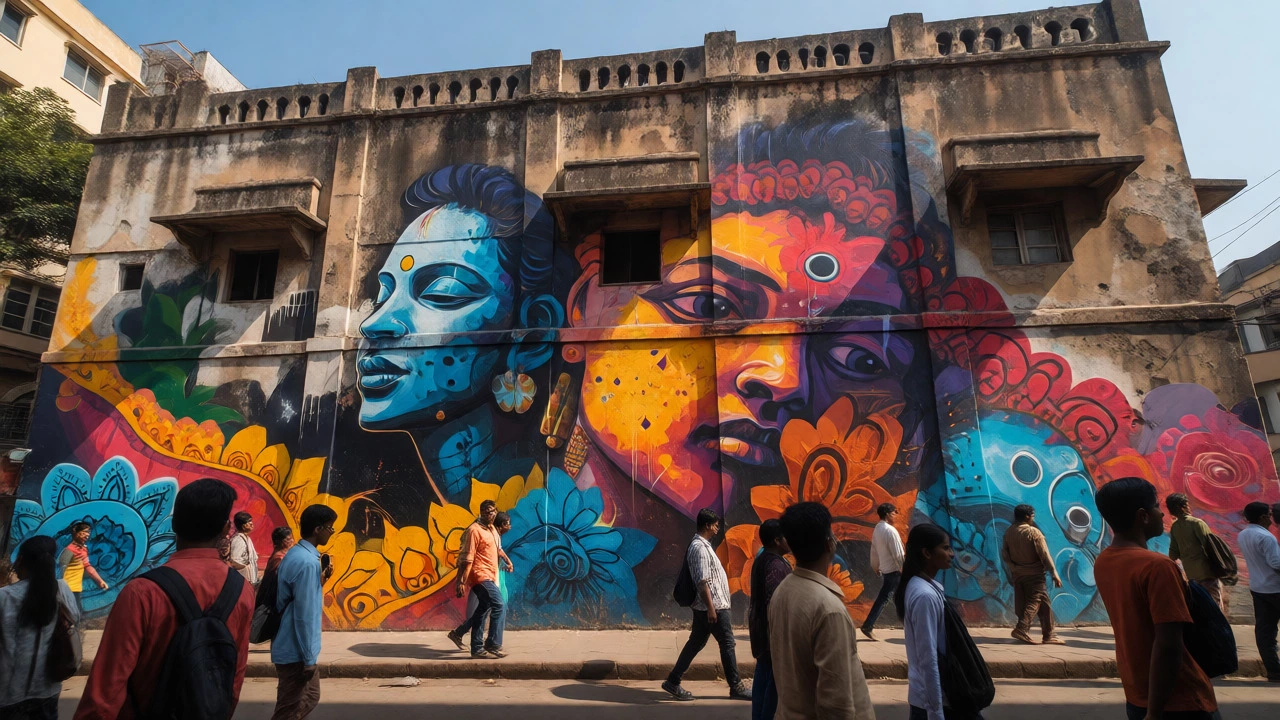
A few years ago, if a city painted over a wall, artists were furious. Today, many cities have "legal walls" programs that actively commission artists. This shift changes the definition of popularity. Is it popular if it’s sanctioned? For the general public, absolutely. It makes the art accessible without the risk of police intervention. For purists, this feels like selling out.
Consider the data from major cultural hubs. Cities like Lisbon, Melbourne, and Berlin have integrated urban art into their official tourism strategies. They offer guided tours, map apps, and even festivals like Upfest in Bristol. This institutional embrace means street art is no longer an underground secret. It’s a commodity. And commodities get consumed differently than secrets do.
This doesn’t mean the raw energy is gone. It just means the venue has changed. The most controversial works now happen in spaces that blur the line between private property and public canvas. When a developer leaves a blank wall for six months, who gets it? That battle is where the real drama lives now.
Digital Visibility vs. Physical Presence
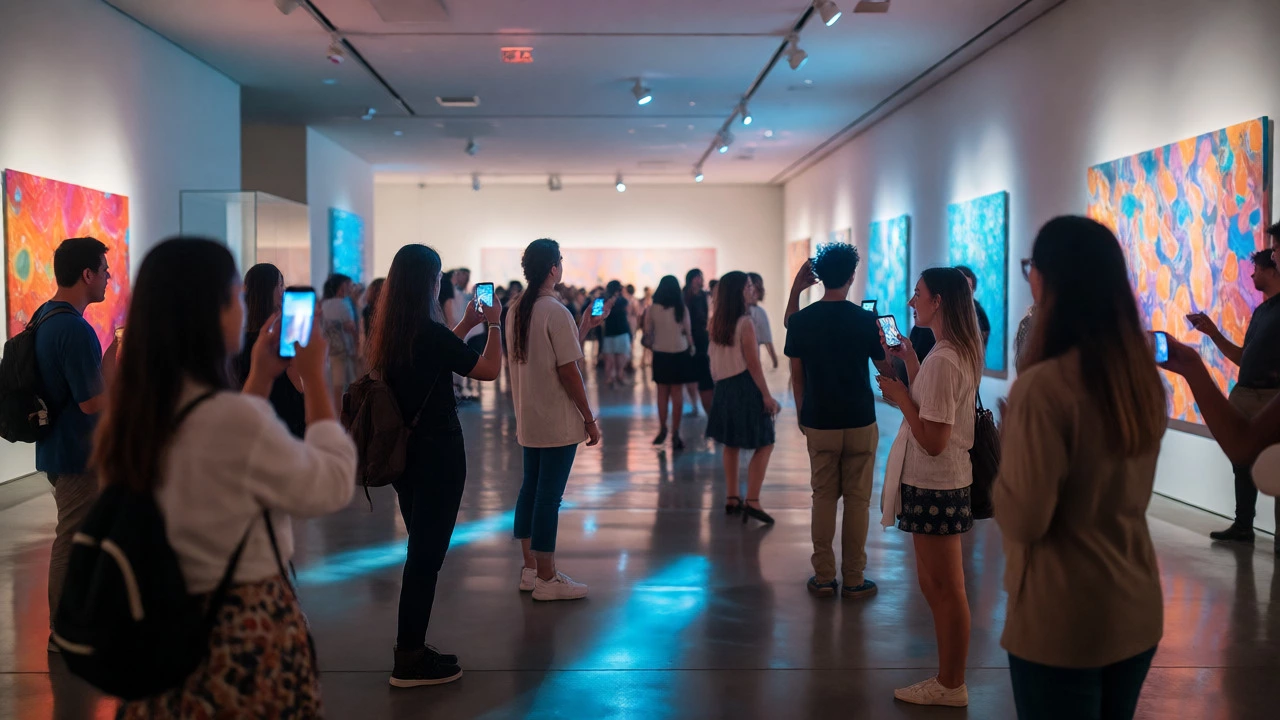
Here’s a hard truth: if it wasn’t posted on Instagram or TikTok, did it even happen? In 2026, the lifespan of a physical piece of street art is often shorter than its digital afterlife. A mural might be buffed (painted over) within weeks, but the video of its creation can rack up millions of views on social media platforms.
This creates a weird paradox. Artists are creating for two audiences simultaneously: the people walking by with coffee in hand, and the global audience scrolling through feeds. This has led to the rise of "Instagrammable" aesthetics-bright colors, large scale, and interactive elements designed specifically for photo opportunities. Some critics argue this dilutes the message, turning profound social commentary into mere background scenery for selfies.
But let’s look at the numbers. Hashtag volume for #StreetArt remains consistently high across major platforms. More importantly, engagement rates for street art content often outperform traditional fine art posts. Why? Because it feels authentic. It feels spontaneous. Even if it’s commissioned, the medium itself carries a badge of authenticity that a framed painting in a white cube gallery lacks.
The Market: Are Collectors Still Buying?
Let’s talk money. During the hype cycle of the early 2010s, limited edition prints by street artists sold for thousands. Then the bubble burst. Many investors got burned when resale prices plummeted. So, is there a market today?
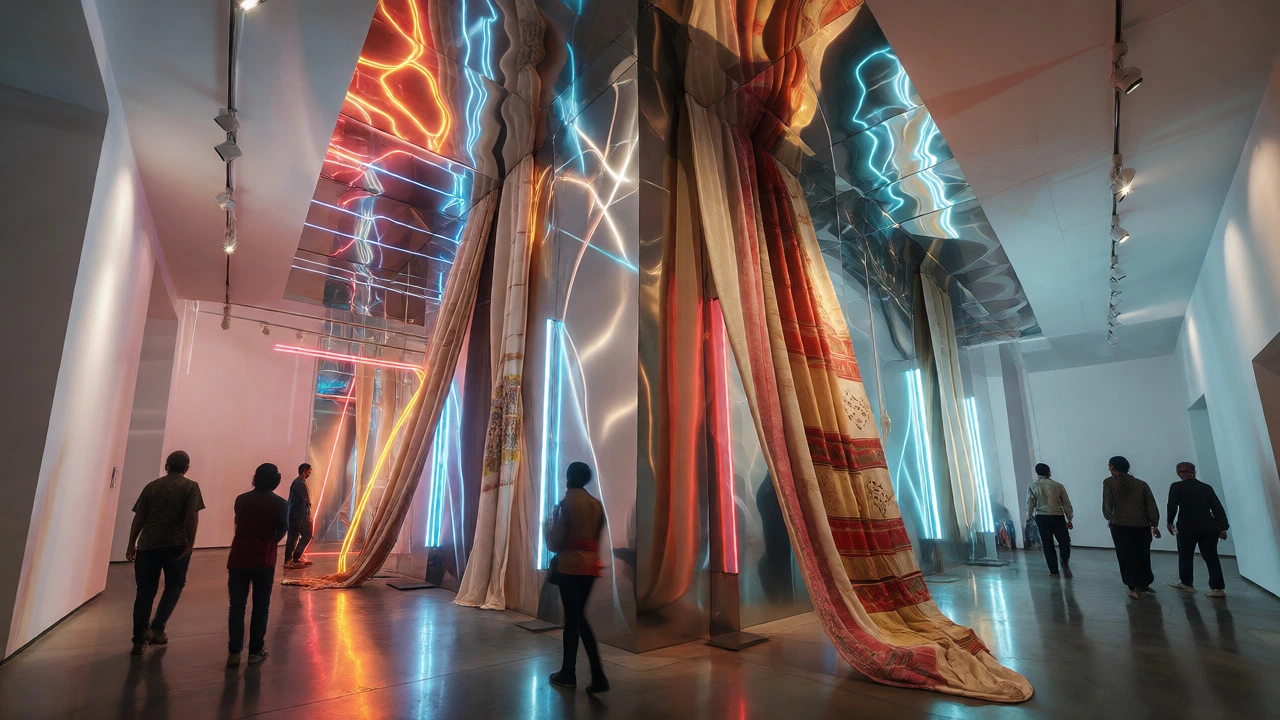
Yes, but it’s more selective. The speculative frenzy has cooled, leaving room for serious collectors. Artists who have evolved beyond simple stencils into mixed media, installations, and conceptual work are seeing steady growth. Auction houses like Sotheby’s and Christie’s continue to feature works by established names, but they’re also scouting new talent who blend digital tools with physical spray techniques.
| Metric | 2020 Status | 2026 Status |
|---|---|---|
| Primary Buyers | Speculators & Hypebeasts | Interior Designers & Serious Collectors |
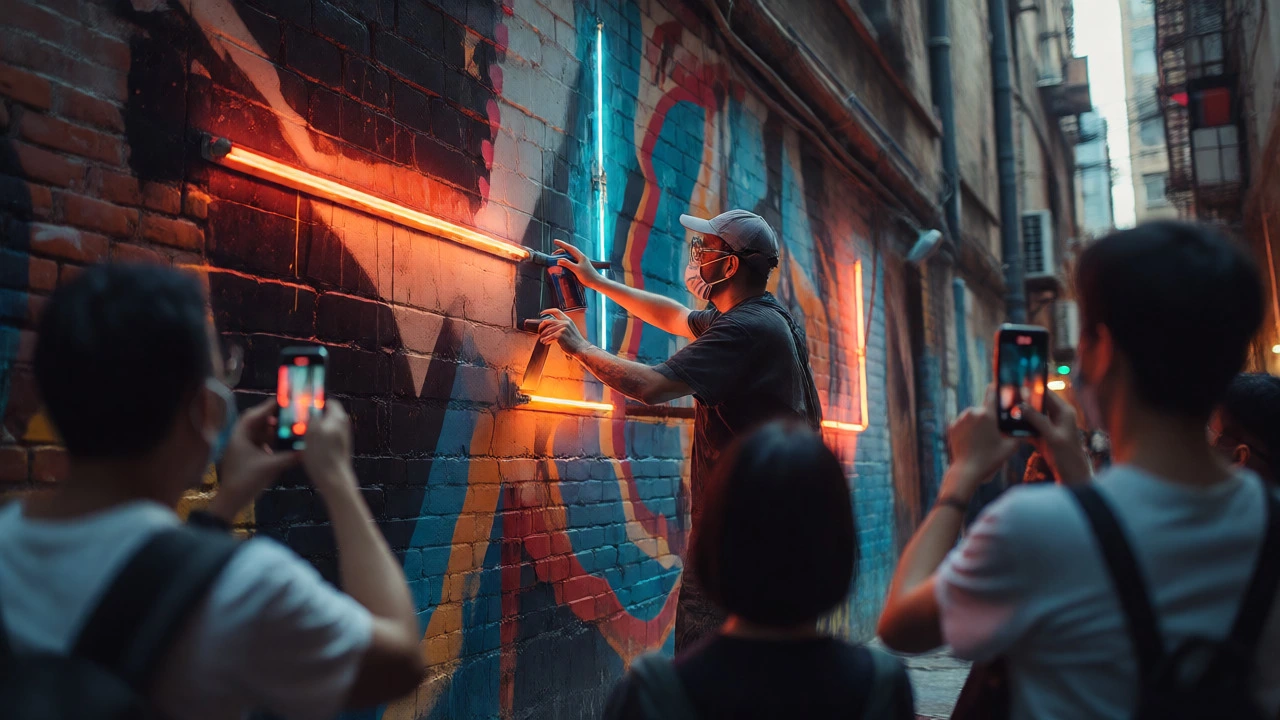
| Popular Medium | Spray Paint on Canvas | Mixed Media, Neon, Digital Hybrid |
| Price Volatility | High (Boom/Bust) | Stable (Gradual Growth) |
| Legal Context | Mostly Illegal/Grey Area | Regulated Commissions & Festivals |
The key takeaway here is stability. The wild west days are over. If you’re looking to buy, you’re not betting on the next big thing blowing up overnight. You’re investing in careers that have proven longevity. Look for artists who have transitioned from tagging to teaching, or those who run their own studios. These indicators suggest a sustainable practice rather than a fleeting trend.
Global Hotspots You Should Know
While New York and London remain historic centers, the gravity of street art has shifted. The most exciting scenes right now are often in places undergoing rapid urban regeneration or political change.
- Bogotá, Colombia: Here, graffiti is legally protected and celebrated. It’s part of the city’s identity, not just decoration. The sheer volume and quality of work rival any European capital.
- Tbilisi, Georgia: A post-Soviet backdrop meets modern expression. The contrast between brutalist architecture and colorful murals creates a unique visual language that attracts international artists.
- Lagos, Nigeria: As Africa’s largest economy grows, so does its creative output. Lagos is becoming a hub for bold, narrative-driven murals that address local issues with global resonance.
These locations prove that street art isn’t a Western monopoly. It’s a global language. If you’re traveling in 2026, skip the museum gift shop and ask locals where the best walls are. You’ll find communities that treat these artworks as vital parts of their neighborhood history.
Why Some People Say It’s Dead
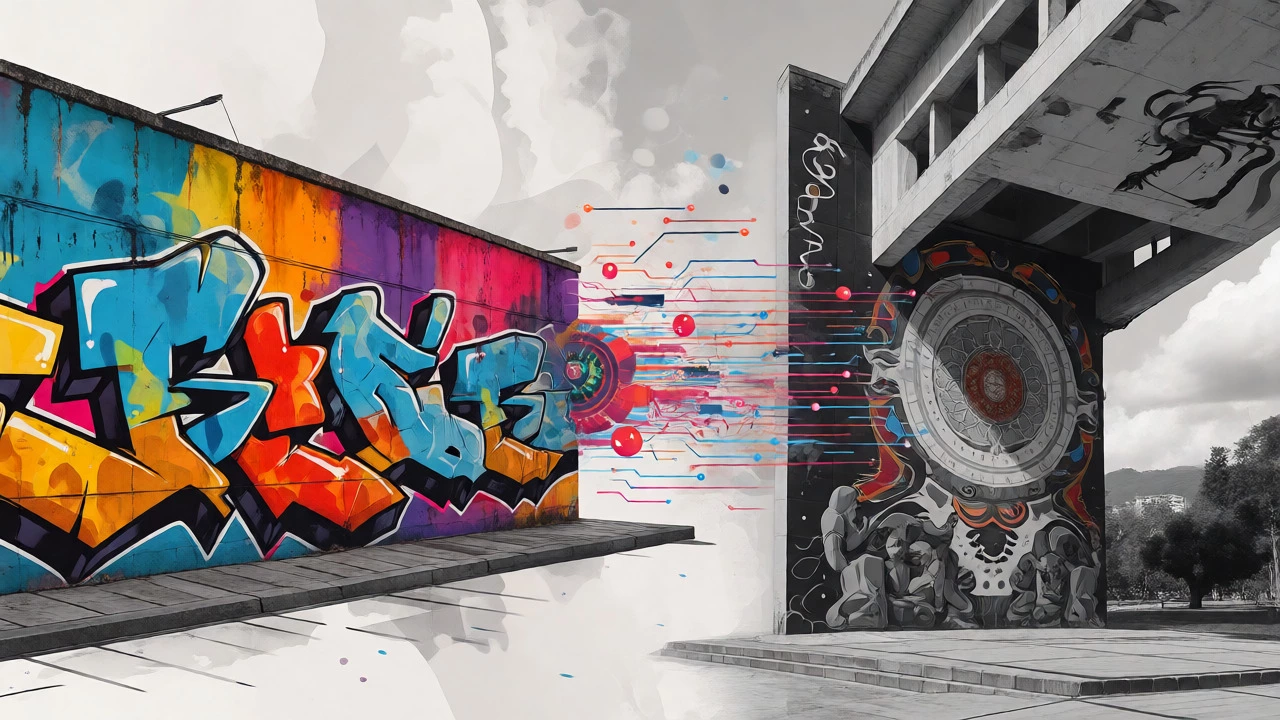
Critics argue that street art has been co-opted by capitalism. They point to luxury brands using graffiti aesthetics in their advertising campaigns. When Gucci puts a spray-paint font on a handbag, the rebellious spirit feels diluted. There’s validity to this complaint. Commercialization inevitably sanitizes edge.
Additionally, gentrification plays a role. Neighborhoods known for gritty, authentic street art often become trendy. Rents rise. The original community moves out. The art remains, but it becomes a symbol of displacement rather than resistance. This irony makes some observers cynical about whether what they’re seeing is truly "popular" or just "marketable."
However, dismissing the entire movement based on commercial exploitation ignores the grassroots level. In basements, community centers, and independent zines, the DIY ethos thrives. Kids are still learning to cut stencils. Artists are still debating color theory on concrete. The core activity hasn’t stopped; it’s just layered beneath the noise of mainstream acceptance.
How to Engage With Modern Street Art
If you want to stay connected to this culture, don’t just follow famous accounts. Dig deeper. Support local festivals. Buy directly from emerging artists at pop-up markets. Learn the difference between a tag, a throw-up, and a piece. Understanding the hierarchy of effort helps you appreciate the skill involved.
Also, respect the context. Taking photos is fine, but interacting with the space matters more. Sit near a mural. Talk to the artist if they’re working. Ask why they chose that spot. Street art is inherently conversational. It demands a response. By engaging physically, you validate its presence in your daily life, keeping the dialogue alive long after the paint dries.
Is street art considered fine art now?
It occupies a hybrid space. Major museums exhibit street artists, blurring the lines between street and fine art. However, many practitioners reject the "fine art" label, preferring terms like "urban art" or "public art" to maintain their connection to non-institutional spaces and everyday viewers.
Why do cities remove street art?
Cities remove art for several reasons: property owner requests, safety concerns (if the structure is being demolished), or aesthetic preferences of local councils. Sometimes, removal is accidental due to construction projects. Other times, it’s intentional to prevent the area from becoming too saturated with competing styles.
Can I make money collecting street art?
Yes, but it requires patience. The market has matured, meaning quick flips are less common. Value appreciation tends to be slower but steadier. Focus on artists with strong portfolios, consistent exhibition histories, and critical acclaim rather than just viral social media moments.
What is the difference between graffiti and street art?
Graffiti traditionally focuses on lettering, tags, and crew recognition, often prioritizing speed and stealth. Street art is broader, encompassing stencils, paste-ups, mosaics, and installations that communicate messages or aesthetics to a wider public audience, often taking more time and planning.
Is street art legal everywhere?
No. Laws vary significantly by country and even by city district. Some places have designated "free walls," while others strictly prohibit any unauthorized marking. Always check local ordinances before starting a project, as penalties can range from fines to criminal charges depending on jurisdiction.