Abstract Art Sales: What Sells, Why It Matters, and How to Price It Right
When you think about abstract art sales, the buying and selling of non-representational artwork that focuses on color, form, and emotion rather than realistic imagery. Also known as non-objective art, it’s one of the most polarizing yet profitable corners of the modern art world. Unlike portraits or landscapes, abstract art doesn’t rely on recognizable subjects—so why do people pay thousands for splatters, lines, and blobs? The answer isn’t about technical skill alone. It’s about connection, context, and confidence. Buyers aren’t just purchasing a canvas—they’re buying into a moment, a mood, or a statement from an artist who speaks without words.
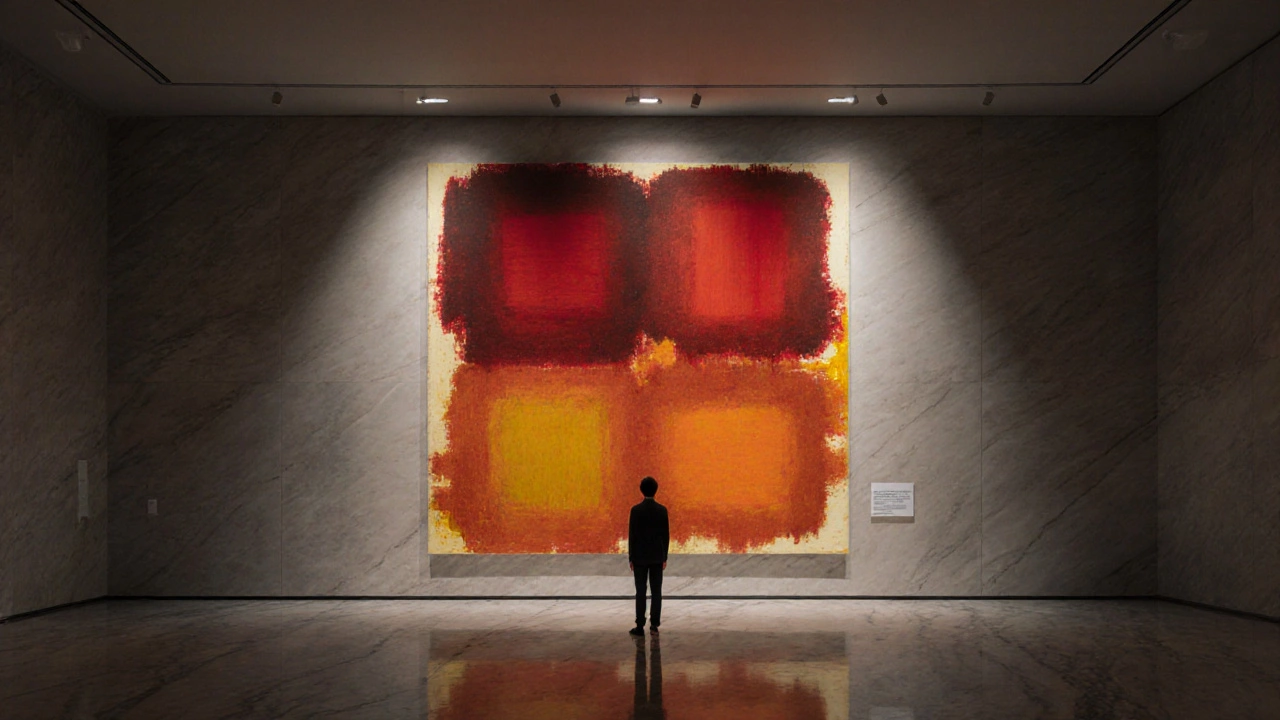
What makes abstract art sell? Three things: artist reputation, the recognition and track record of the creator, including gallery shows, press, and collector interest, scale and placement, how large the piece is and whether it fits common home or office wall sizes, and color psychology, how certain hues trigger emotional responses that drive purchasing decisions. A small abstract piece in muted tones might sit unsold for months, while a large, bold red-and-black canvas from a known emerging artist can sell in days. Galleries and collectors look for consistency—artists who produce a recognizable body of work over time get more traction. And size matters more than you think: 24x36 inches and 36x48 inches are the sweet spots for homes and offices, based on what actually moves in 2025.
Price isn’t just about materials or hours spent. It’s about perceived value. A beginner might charge $200 for a 16x20 abstract piece, but if they’ve been featured in a local art fair or posted about by a small influencer, that same piece can jump to $800. Buyers aren’t paying for paint—they’re paying for the story behind the brushstrokes. That’s why artists who explain their process, share their inspiration, or tie their work to cultural trends (like AI-generated textures or eco-conscious materials) see better sales. You don’t need a degree to sell abstract art, but you do need to understand who’s looking and why.
Below, you’ll find real insights from artists who’ve cracked the code on pricing, galleries that reveal what they actually look for, and buyers who explain what makes them pull out their wallets. Whether you’re selling your own work, buying your first piece, or just curious why a $5,000 abstract painting looks like a toddler’s doodle—this collection cuts through the noise.