Avoid Watercolor Problems: Fix Common Mistakes and Paint with Confidence
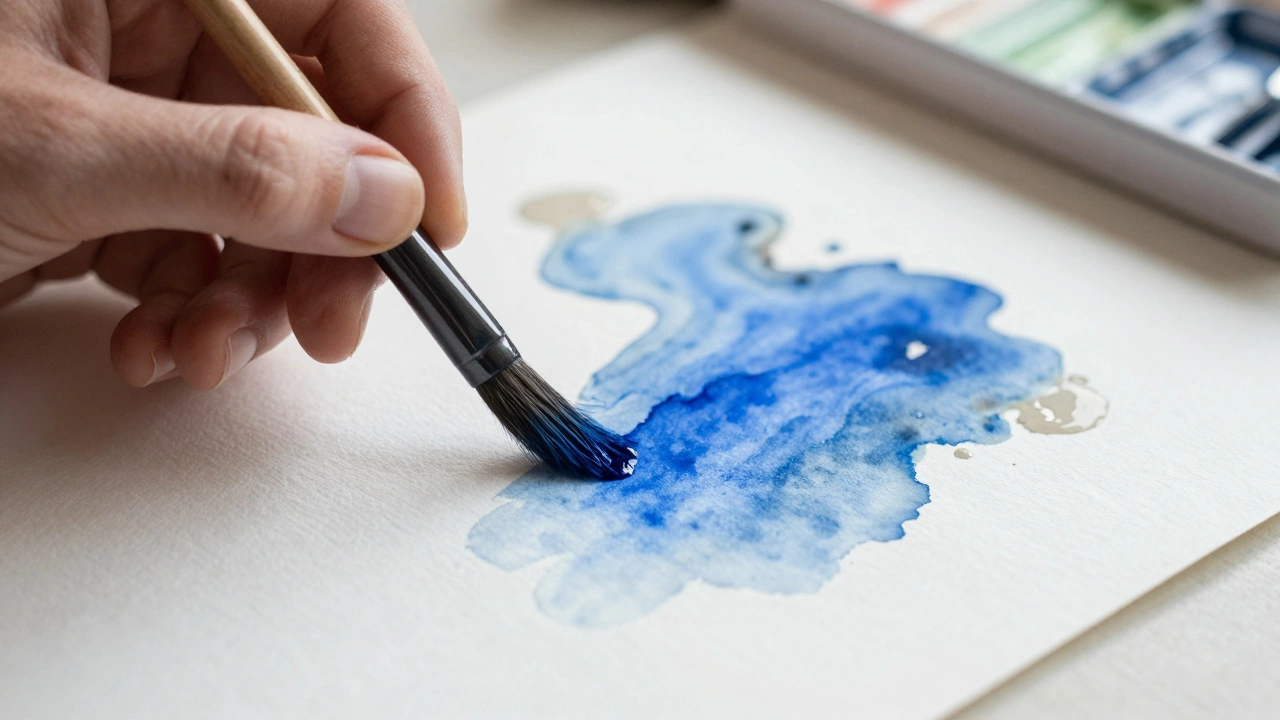
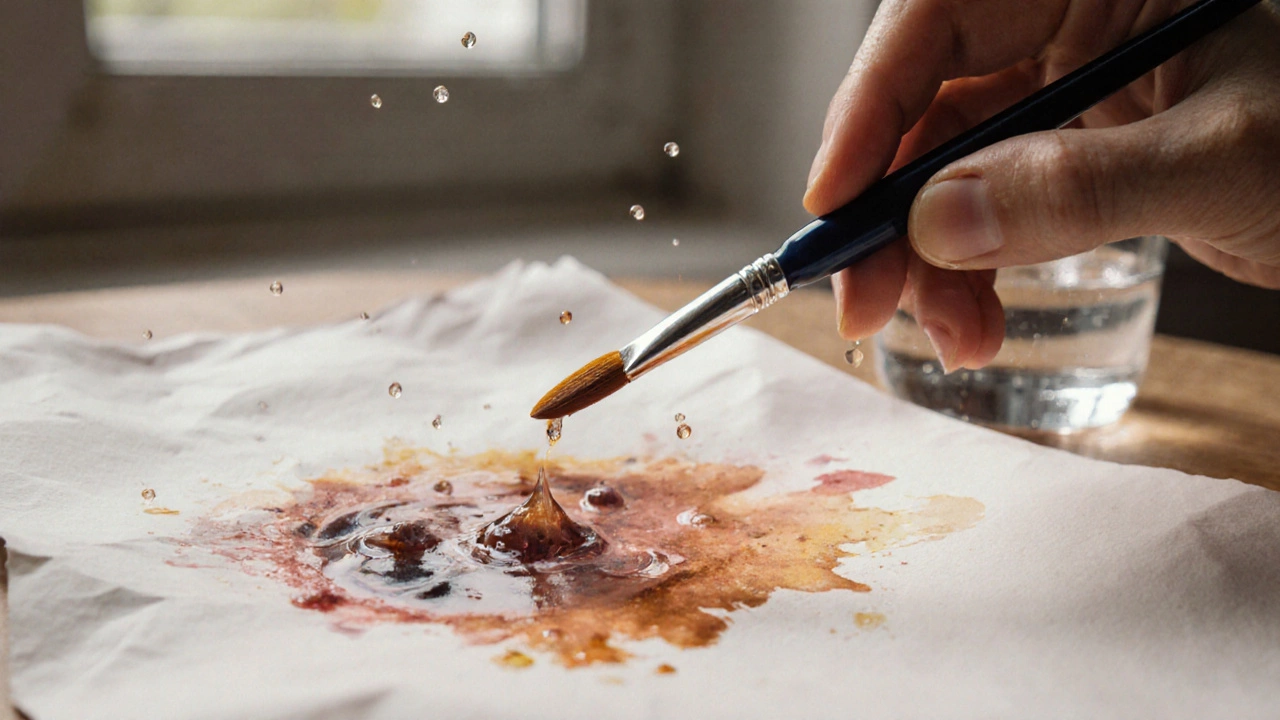
When you paint with watercolor, a transparent painting medium that uses pigment suspended in water. Also known as aqua painting, it’s loved for its luminous washes and spontaneous flow—but it’s also easy to mess up if you don’t understand how water and pigment behave together. Most people think watercolor is hard because they keep making the same mistakes: colors turn muddy, edges bleed where they shouldn’t, or the paper buckles under too much water. But the problem isn’t your skill—it’s how you’re using the medium.
Watercolor doesn’t need perfection. It needs control. The biggest issue? Trying to fix mistakes after the paint dries. Once watercolor dries, you can’t just paint over it like acrylic or oil. You have to work with it, not against it. That means planning your light areas first, letting layers dry properly, and knowing when to stop. Many artists ruin a good painting by overworking it—adding too many glazes, scrubbing too hard, or trying to make it look more detailed than it should. Watercolor thrives on simplicity. A single clean wash can say more than five rushed layers.
Another hidden problem is paper quality. Cheap paper soaks up water too fast or pills when you lift color. That’s why professionals use 140lb or heavier cold-pressed paper—it holds water without warping and lets you lift paint cleanly. Then there’s pigment choice. Some colors, like phthalo blue or quinacridone rose, are staining and hard to lift. Others, like cobalt or sap green, are more forgiving. Mixing too many pigments at once? That’s how you get mud. Stick to two or three colors max per wash. And always test your mix on a scrap piece before applying it to your painting.
Water control is everything. Too much water? Your shapes blur. Too little? The paint looks dry and flat. The trick is learning how much water your brush holds and how fast your paper absorbs it. Practice wet-on-wet and wet-on-dry techniques separately. Wet-on-wet gives soft edges—great for skies and backgrounds. Wet-on-dry gives sharp lines—perfect for details. Don’t rush either. Let each layer dry fully before adding the next. Patience isn’t optional in watercolor; it’s the foundation.
You’ll also notice that some artists avoid using black. That’s not because it’s forbidden—it’s because mixing your own darks from ultramarine and burnt sienna gives richer, more natural shadows. And don’t ignore the white of the paper. That’s your highlight. Plan where you want it to show through before you even touch the brush.
Below, you’ll find real artist-tested fixes for the most frustrating watercolor problems: how to rescue a washed-out sky, stop blooms from ruining your edges, fix muddy colors without starting over, and choose the right brushes and paints for consistent results. These aren’t theory—they’re the tricks used by artists who’ve painted hundreds of watercolors and learned what actually works.