Billboard charts: What they really mean and how they shape music today
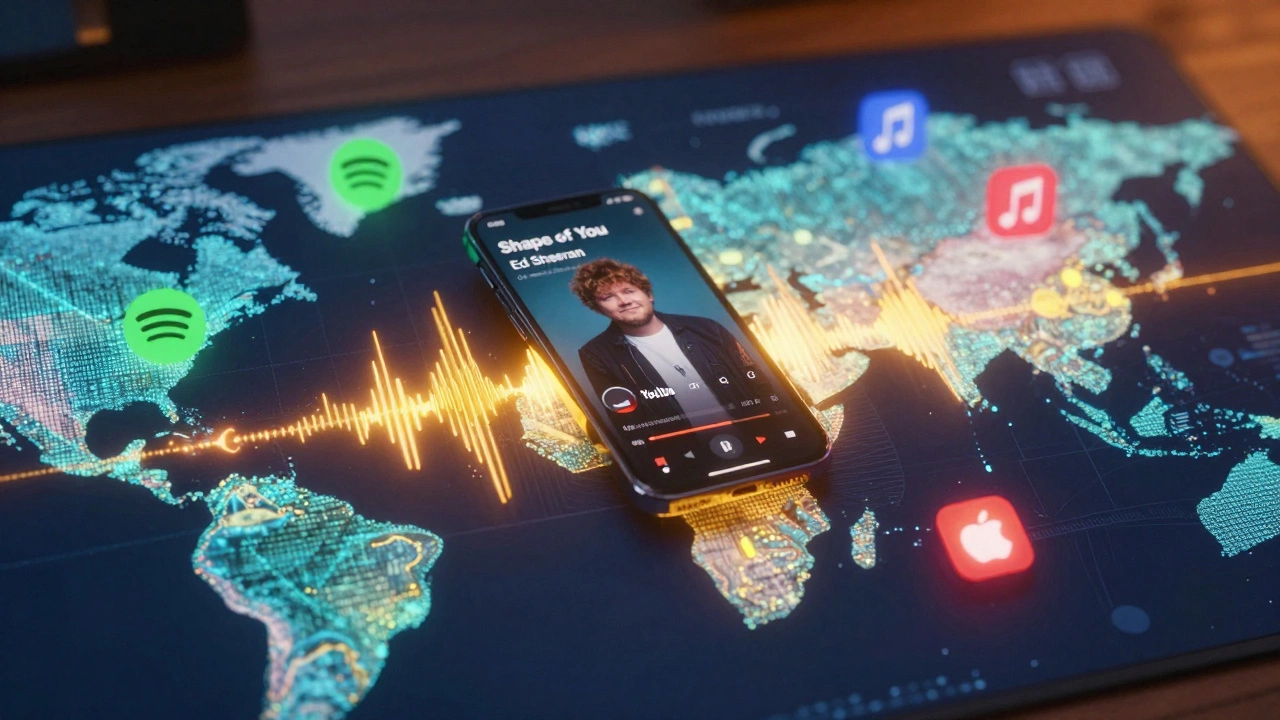
When you hear a song is #1 on the Billboard charts, a weekly ranking of the most popular music in the U.S. based on sales, streams, and radio play. Also known as music charts, they’re not just a list—they’re the pulse of what’s moving millions of listeners right now. This isn’t about who’s trending on TikTok for a week. It’s about real, measurable data from Spotify, Apple Music, YouTube, and radio stations across the country. If a song hits the top of the Billboard Hot 100, it means people aren’t just clicking play—they’re buying it, sharing it, and keeping it on repeat.
The Billboard charts, a weekly ranking of the most popular music in the U.S. based on sales, streams, and radio play. Also known as music charts, they’re not just a list—they’re the pulse of what’s moving millions of listeners right now. aren’t just about popularity—they shape careers. A single week on the charts can get an artist signed, booked for late-night TV, or picked up by a major label. Meanwhile, the streaming stats, the real-time data showing how often songs are played on platforms like Spotify and Apple Music now make up over 80% of a song’s chart position. That’s why a viral TikTok clip can send a 10-year-old song back to #1. And the pop music trends, the shifting styles and sounds that dominate mainstream radio and playlists you hear? They’re not random. They’re pulled straight from the data on these charts.
Some people say the charts are outdated, that they favor big labels and ignore indie artists. But that’s not entirely true. Independent artists are breaking through more than ever—because the rules changed. Now, it’s not about who has the biggest ad budget. It’s about who connects with listeners, one stream at a time. The charts don’t lie. If a song climbs, it’s because people chose it. Not a playlist curator. Not a radio DJ. Not an algorithm pushing it. Real people.
Below, you’ll find real stories from artists, breakdowns of chart-topping hits, and what the numbers behind those rankings actually mean. Whether you’re curious why a song you’ve never heard is #1, or you’re an artist trying to understand how to get noticed, these posts cut through the noise. No fluff. Just what’s working, what’s not, and why it matters.