Digital Art Legal Rights: What You Own and What You Can't Copy
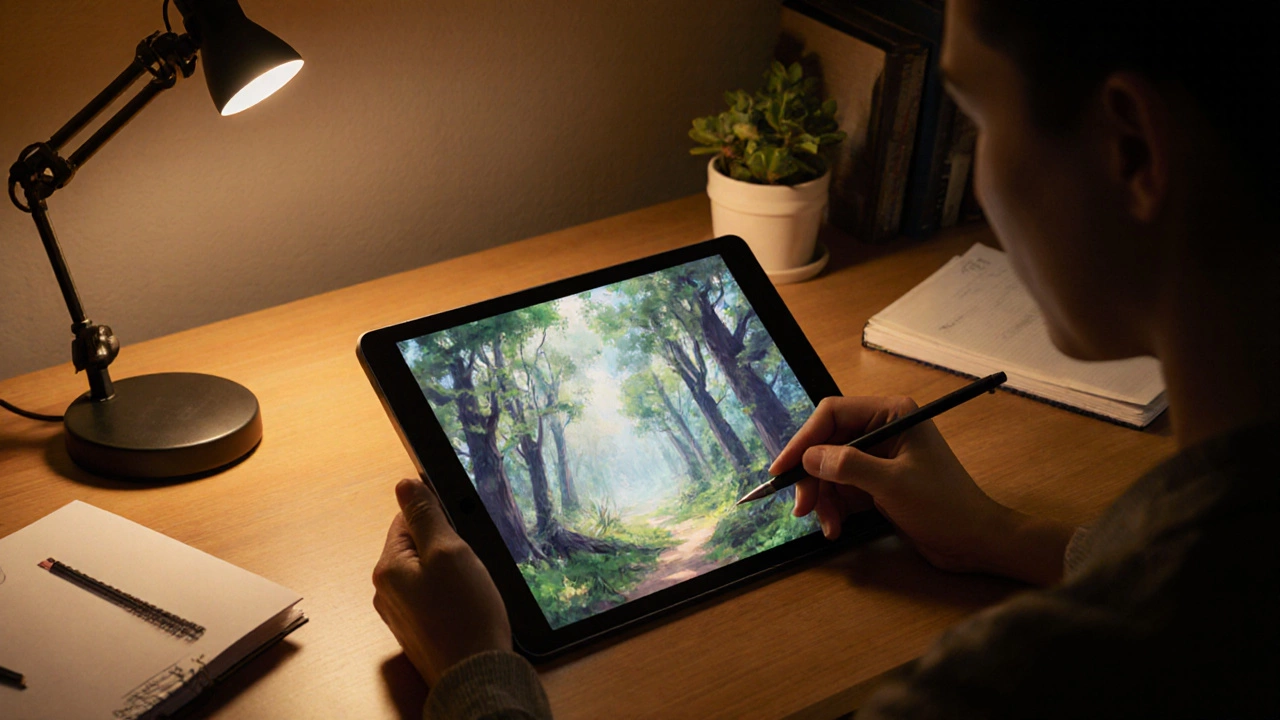
When you create a digital art, a visual work made using digital tools like tablets, software, or generative AI. Also known as digital creation, it’s protected under copyright law, the legal system that gives creators exclusive rights to reproduce, distribute, and display their original works—just like a painting or photograph. But unlike a physical piece, digital art can be copied instantly, shared globally, and sold as an NFT without your permission. That’s why knowing your digital art legal rights isn’t optional—it’s essential.
Many artists assume that posting their work online means they’ve lost control. That’s not true. As the creator, you automatically hold the copyright the moment your work is fixed in a digital format—even if you never registered it. But here’s the catch: if you used someone else’s asset—like a stock texture, a font, or a character from a game—you might not own the full rights. Same goes for AI-generated art: if you used Midjourney or DALL·E, the terms of service often limit what you can do with the output. You can sell your digital art, license it for merch, or sue someone who copies it, but only if you can prove you created it and own all the components.
Another big area? NFT art ownership, a blockchain-based token that proves you own a specific copy of a digital file, not the copyright itself. Buying an NFT doesn’t mean you own the image. It means you own a digital receipt. The artist still holds the copyright unless they explicitly transfer it in writing. That’s why you see so many NFT buyers trying—and failing—to stop people from screenshotting their art. The real power lies in licensing: if you’re selling digital art, decide upfront whether buyers can print it, use it in videos, or resell it. A simple license agreement can save you from lawsuits later.
And don’t forget about art licensing, the legal process of allowing others to use your work under specific conditions. Whether you’re letting a brand use your design on t-shirts or letting a gallery display your work online, get it in writing. Verbal agreements mean nothing in court. Use clear terms: how long can they use it? Where? For what purpose? And what do they pay you? Many digital artists lose money because they didn’t set boundaries early.
What about remixes? If you take a classic painting and turn it into a digital collage, is that legal? It depends. If the original is in the public domain—like a Van Gogh—you’re free to remix it. But if you’re using a modern photo, meme, or character from a movie, you’re risking infringement. Courts look at whether your work is transformative—does it add new meaning or message? Or is it just a copy with filters? The line is blurry, and lawsuits are expensive. Better to start with your own original ideas.
There’s no magic button to protect your digital art. But you can stack small wins: watermark your previews, register your copyright with your country’s office (it costs less than $50 in many places), and keep dated backup files of your source work. If someone steals your art, send a DMCA takedown notice—it’s free and legally binding. Most platforms will remove it within days.
Below, you’ll find real-world examples from artists who’ve fought for their rights, priced their digital work fairly, and avoided legal traps. Whether you’re just starting out or already selling online, these guides give you the facts—not the fluff—so you can create without fear.