Famous Abstract Paintings: What Makes Them Iconic and Who Created Them
When you think of famous abstract paintings, artworks that don’t show real-world objects but express emotion, movement, or ideas through color, shape, and line. Also known as non-representational art, they changed how we see creativity forever. These aren’t just random splashes of paint—they’re deliberate, powerful statements made by artists who broke every rule to say something new.
Behind every iconic abstract painting is a story. Piet Mondrian, a Dutch painter who reduced art to straight lines and primary colors turned chaos into calm. Wassily Kandinsky, often called the father of abstract art, believed color could move the soul like music. Then there’s Jackson Pollock, the American artist who dripped paint onto giant canvases laid on the floor, turning painting into a physical performance. These artists didn’t just make art—they redefined what art could be.
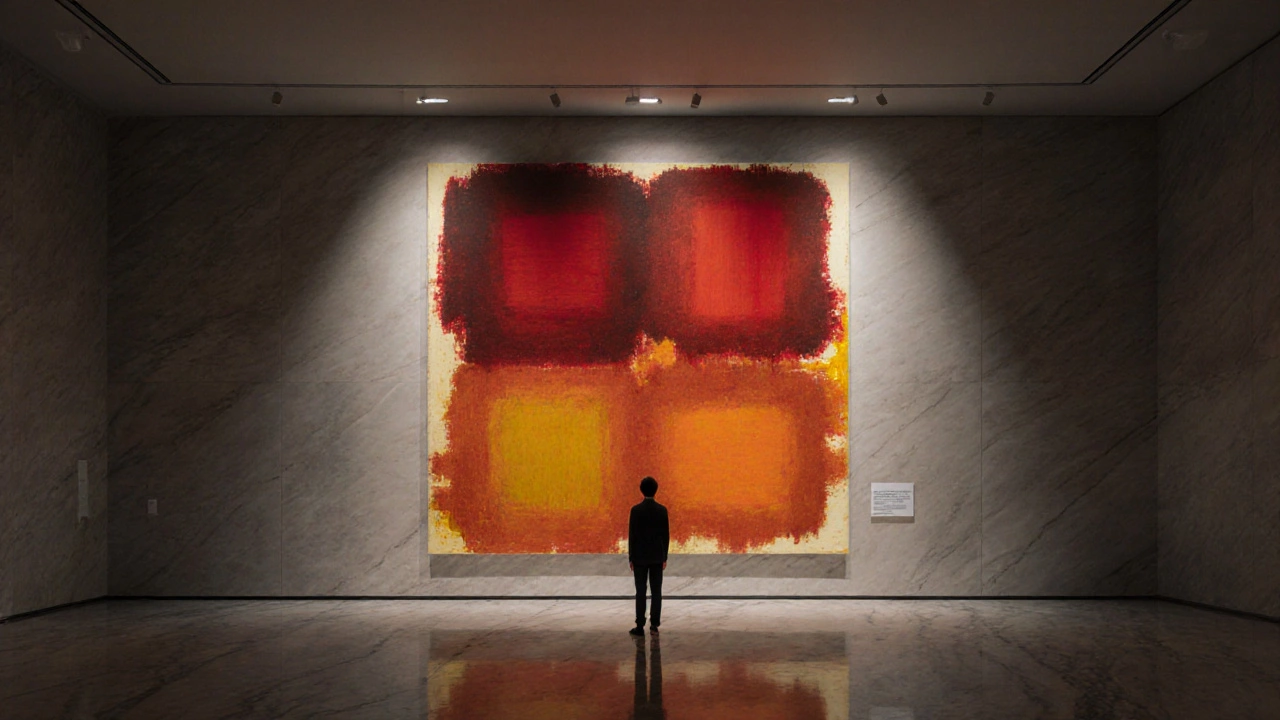
Famous abstract paintings don’t live in museums just because they’re old. They’re still talked about because they challenge us. Why does a red square on a white background feel so powerful? Why does a tangle of drips feel more honest than a perfect portrait? These works force you to feel, not just see. They connect to movements like Expressionism, Cubism, and Color Field painting—each with its own rules, but all sharing one goal: to break free from tradition.
Today, you’ll find these paintings referenced everywhere—from fashion to design to digital art. The same energy that drove Kandinsky and Pollock lives in today’s remix art, where old styles collide with new tools. That’s why this collection of posts matters. Whether you’re curious about how to read abstract art, what makes one piece sell for millions, or how modern artists build on these foundations, you’ll find real answers here. No fluff. No jargon. Just clear, practical insights from artists, collectors, and experts who live this world every day.