Fine Art Photography Profit Calculator
Calculate your potential revenue by comparing Cost-Plus pricing against Limited Edition tiered strategies.
Most photographers spend years chasing the perfect shot, only to hit a wall when it comes time to pay rent. You have stunning images of misty forests or abstract urban decay, but your bank account looks nothing like your portfolio. The question isn't just whether you can make money; it's whether the current market actually supports a living wage for fine art photography, which is a genre that prioritizes aesthetic expression and conceptual depth over commercial documentation.
The short answer is yes. But the long answer requires dismantling the myth that talent alone equals revenue. In 2026, the landscape has shifted dramatically from traditional gallery representation to hybrid digital-physical models. Success now depends less on who you know in New York or London and more on how well you understand supply chains, audience psychology, and niche positioning.
The Reality of the Market: Who Actually Buys?
To earn consistent income, you first need to identify who is writing the checks. The buyer base for fine art photography splits into three distinct groups, each with different motivations and spending power.
- The Interior Designer & Decorator: These buyers purchase large-format prints to fill walls in high-end homes, hotels, and offices. They care about color harmony, scale, and framing. For them, your photo is furniture. They buy frequently but often negotiate hard on price.
- The Collector: This individual buys because they connect emotionally or intellectually with the work. They might own only one or two pieces by you, but they are willing to pay premium prices for original negatives, signed limited editions, or unique archival pigment prints. They value provenance and artist reputation.
- The Impulse Buyer: Found mostly online, these customers spend $50-$150 on smaller prints. They see an image on Instagram or Pinterest, feel an immediate connection, and click 'buy.' Volume is key here, and margins are thinner, but the barrier to entry is low.
Understanding this segmentation changes how you price and present your work. If you only target collectors, you’ll starve waiting for the right patron. If you only target impulse buyers, you’ll burn out printing thousands of small orders. The most profitable artists layer their offerings to serve all three.
Pricing Models: How to Value Your Work
Pricing is where most photographers fail. Many use cost-plus pricing (printing cost + shipping + profit), which leaves money on the table. Others guess wildly based on what they think the art should be worth. Neither approach works sustainably.
| Strategy | Best For | Pros | Cons |
|---|---|---|---|
| Cost-Plus | Beginners / Open Editions | Simple calculation; ensures no loss | Undervalues artistic skill; hard to raise prices later |
| Market-Based | Established Artists | Aligns with industry standards; perceived value | Requires research; can feel arbitrary if not justified |
| Tiered Editioning | Collectors & Galleries | Creates scarcity; maximizes lifetime revenue per image | Complex inventory management; risk of unsold stock |
A more effective method is tiered editioning. Instead of selling unlimited copies, you limit a specific image to 10 or 20 signed, numbered prints. Once sold out, the image goes back into print as an "open edition" at a lower price point, or stays retired to maintain exclusivity. This creates urgency. When a collector knows only five copies exist, they are far more likely to act quickly than if they believe another will appear next month.
For example, a 40x60 inch archival pigment print on Hahnemühle Photo Rag might cost you $80 to produce and frame. If you sell it as an open edition for $300, you make $220. But if you position it as part of a limited edition of 10, you can justify a price of $1,500. That’s not greed; it’s recognizing the asset class shift from commodity to collectible.

Sales Channels: Where to Sell Without Gatekeepers
Galleries used to be the only path to serious sales. Today, they take 40-50% commissions and are notoriously difficult to break into unless you already have a following. While galleries still hold prestige, self-representation via direct-to-consumer channels is often more lucrative for mid-career artists.
Your primary storefront should be your own website. Using platforms like Shopify or Squarespace gives you full control over branding, customer data, and margins. You keep nearly 100% of the profit after payment processing fees. However, driving traffic to your site requires active marketing.
Secondary channels include curated marketplaces like Saatchi Art, Artsy, or Etsy. These platforms bring built-in audiences but charge higher fees (often 10-15%). Use them as discovery engines rather than primary income sources. List your work there to capture new fans, then encourage repeat purchases through your email list on your personal site.
Don’t underestimate local markets. Pop-up exhibitions in Sydney cafes, hotel lobbies, or boutique shops can generate significant cash flow. People buy art they can touch and see in person. Partnering with interior designers for trade discounts also opens doors to bulk orders for hospitality projects.
The Print-on-Demand Trap vs. Archival Quality
A major debate in the community is whether to use Print-on-Demand (POD) services like Fine Art America or Redbubble. POD allows you to upload files and let the service handle printing, packing, and shipping. It sounds convenient, but it comes with hidden costs.
First, quality control is out of your hands. If a customer receives a faded or misaligned print, your brand suffers. Second, margins are razor-thin. After platform fees and production costs, you might net $10 on a $50 sale. Third, POD dilutes perceived value. Collectors rarely invest in mass-produced, unbranded items. They want white-glove service, custom packaging, and certificates of authenticity.
If you’re starting out with zero budget, POD can test which images resonate. But once you identify your best sellers, switch to professional lab printing. Services like White Wall, Bay Photo, or local labs in Australia offer superior color accuracy and paper options. Invest in proper packaging-rigid mailers, corner protectors, and branded tissue paper-to elevate the unboxing experience. This attention to detail justifies higher prices and encourages referrals.
Building Authority: Beyond the Image
In a saturated market, your story matters as much as your photos. Buyers don’t just purchase pixels; they buy into your vision, process, and personality. Share behind-the-scenes content: how you scout locations, edit your work, or overcome technical challenges. Write blog posts about the concepts behind your series. Speak at workshops or webinars.
Email marketing remains the highest-converting channel. Social media algorithms change constantly, but your email list belongs to you. Offer a free downloadable guide (e.g., "How to Care for Your Archival Prints") in exchange for sign-ups. Send monthly newsletters featuring new releases, exhibition dates, and personal updates. Nurture these relationships, and you’ll build a loyal community ready to support your career.
Taxation and Legal Considerations in Australia
If you’re based in Australia, remember that selling art makes you a business. Register for an Australian Business Number (ABN) and consider GST registration if your turnover exceeds $75,000 AUD annually. Keep meticulous records of expenses: camera gear, software subscriptions, travel to shoots, printing costs, and marketing ads. All these are tax-deductible.
Copyright is automatic upon creation, but registering your work with copyright agencies adds legal protection. Always include terms and conditions on your website regarding returns, shipping damages, and licensing rights. Clarify that buyers own the physical print, not the intellectual property, unless explicitly negotiated otherwise.
Can I make a full-time living from fine art photography?
Yes, but it typically takes 3-5 years of consistent effort. Most successful artists combine multiple income streams: print sales, workshops, licensing, and grants. Diversification reduces reliance on any single source and stabilizes cash flow during slow seasons.
What size prints sell the best?
Medium sizes (24x36 inches to 40x60 inches) tend to perform well for home decor. Large formats (over 60 inches) appeal to collectors and commercial spaces but require careful shipping logistics. Start with versatile sizes that fit standard frames available in stores like IKEA or Bunnings.
Should I sign my prints?
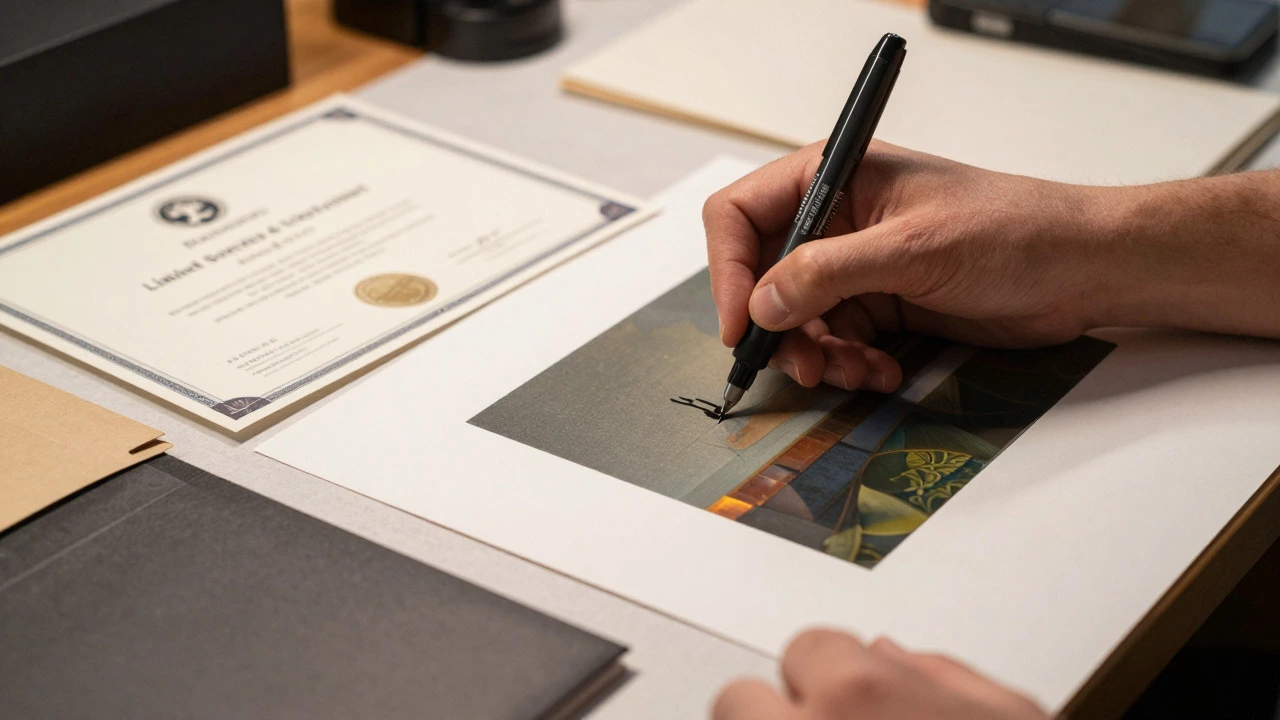
Absolutely. Signing authenticates the piece and increases its resale value. Use an archival pen to sign the front border or the back of the print. Include the edition number (e.g., 5/10) and year created. Never sign the image itself unless it’s part of the artistic concept.
How do I find buyers without social media?
Network locally with interior designers, real estate agents, and hotel managers. Attend art fairs and craft markets. Submit portfolios to galleries even if rejection is common. Collaborate with other artists for joint exhibitions. Word-of-mouth and professional referrals remain powerful tools outside digital platforms.
Is investing in expensive cameras necessary?
Not initially. Composition, lighting, and post-processing matter more than megapixels. Many iconic fine art photographs were taken with modest equipment. Upgrade your gear only when technical limitations hinder your creative vision, not before building an audience.