Art Studio: What It Is, How It Works, and What Artists Really Do There
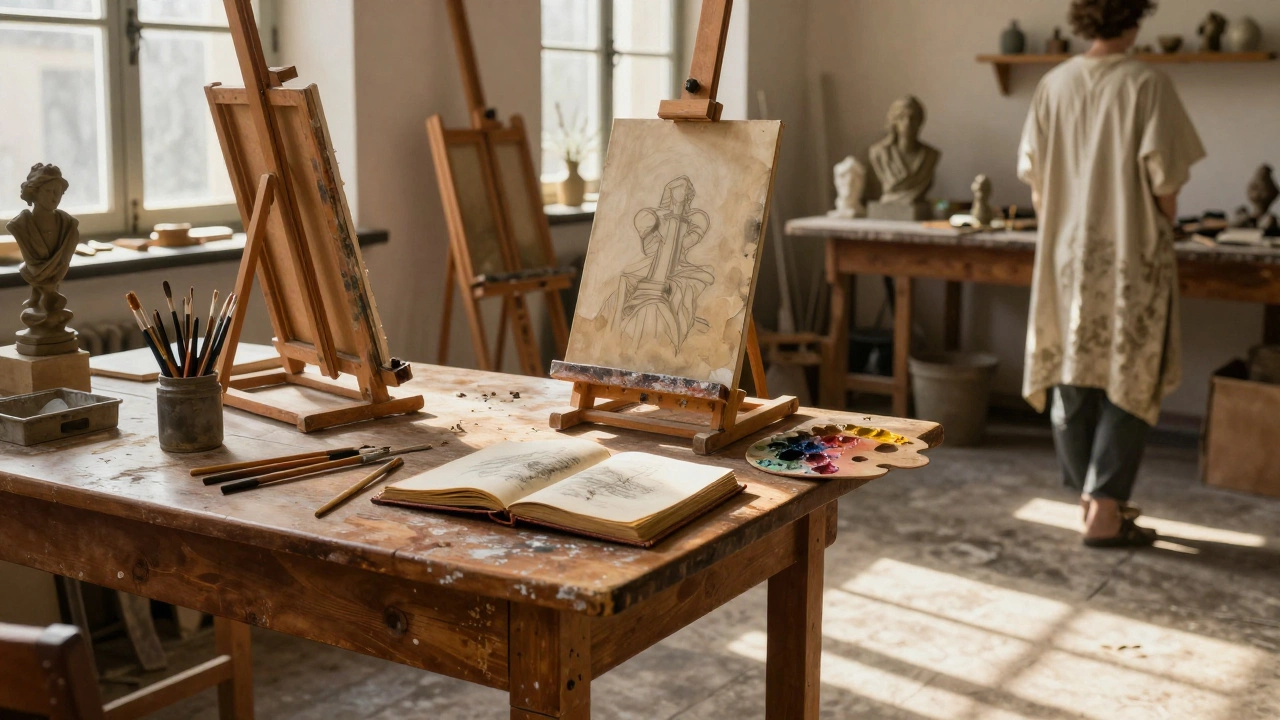
When you think of an art studio, a dedicated space where artists create original work using tools, materials, and personal rituals. Also known as a creative workspace, it’s not just a room with easels and paint—it’s the engine behind every piece you see in galleries, online, or on walls. This is where the magic happens, whether it’s a corner of a garage with a laptop and stylus, or a sunlit loft with canvases stacked to the ceiling.
An art studio, a dedicated space where artists create original work using tools, materials, and personal rituals. Also known as a creative workspace, it’s not just a room with easels and paint—it’s the engine behind every piece you see in galleries, online, or on walls. This is where the magic happens, whether it’s a corner of a garage with a laptop and stylus, or a sunlit loft with canvases stacked to the ceiling.
Most studios fall into one of two worlds: traditional art studios, physical spaces equipped with brushes, canvases, pigments, and natural light for painting, drawing, or sculpture, or digital art studios, tech-driven environments using tablets, software, and monitors to create art on screens. The tools changed, but the purpose didn’t. Both need quiet, focus, and room to fail. You’ll find artists here doing the same thing: experimenting, fixing mistakes, and chasing that one moment when the piece finally feels right.
What’s inside a real studio? It’s not just supplies—it’s habits. Some artists start with dark values in oil paint because it builds depth. Others swear by watercolor on thick paper, never skipping the step of letting layers dry properly. You’ll see spatulas used for texture, phones turned into painting tools, and portraits blocked out in simple shapes before details ever appear. The studio doesn’t care if you use a $2000 Wacom or a $50 app on your phone. It only cares if you show up.
And it’s not just about making art—it’s about making it sell. Artists price their work based on size, medium, and reputation. Galleries survive or fail depending on how well they understand this space. The most sold abstract pieces? They didn’t come from a fancy studio. They came from someone who kept showing up, even when no one was watching.
There’s no single way to run a studio. Some artists work in silence. Others blast music. Some paint every morning at 6 a.m. Others wait for inspiration. But every working studio has one thing in common: it’s messy, personal, and alive with effort. You won’t find perfection here. You’ll find progress.
Below, you’ll find real advice from artists who’ve been there—how to start a portrait, what watercolor mistakes to avoid, why Van Gogh’s colors changed over time, and whether you really need a license to sell digital art on Etsy. These aren’t theory pieces. They’re field notes from actual studios. Whether you’re painting on canvas or tapping on a screen, this is your guide to what happens when you turn ideas into art.