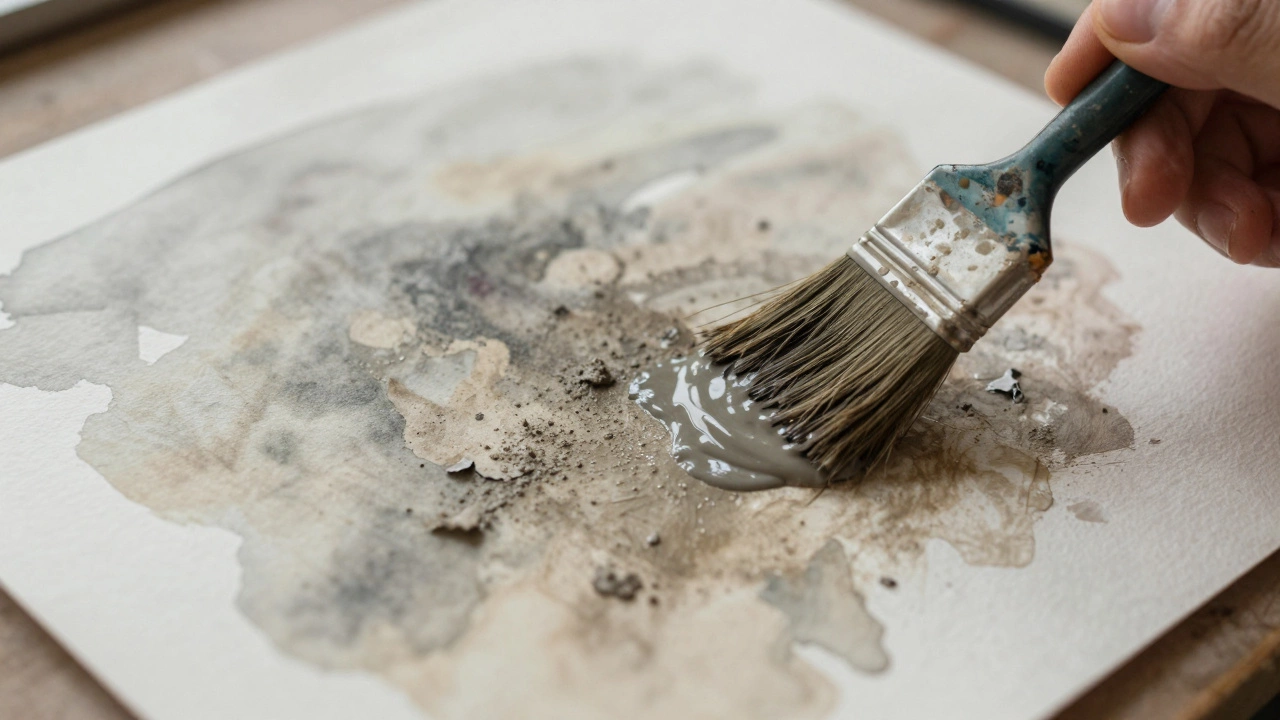
How to Paint with Watercolor: Simple Tips and Common Mistakes to Avoid
When you start how to paint with watercolor, a flexible, transparent medium that blends easily and dries quickly. Also known as watercolour painting, it’s one of the most accessible art forms for beginners—but also one of the easiest to mess up if you skip the basics. Unlike oil or acrylic, watercolor doesn’t let you cover mistakes easily. What looks like a simple wash on paper actually needs control, timing, and the right tools.
You can’t just grab any paper and start brushing. watercolor paper, a thick, textured paper designed to hold water without warping. Also known as cold press paper, it’s the foundation of every good watercolor piece. Skip it, and your colors bleed, your edges blur, and your painting looks muddy. Same with brushes. A cheap synthetic brush won’t hold shape or water the way a good sable or synthetic sable does. And don’t use white paint—that’s not how watercolor works. You save white by leaving paper bare, not by painting over it.
watercolor mistakes, like overworking the paint, using dirty water, or rushing drying time. Also known as painting too hard, these habits trap beginners in frustration. Most people think watercolor is about being gentle. It’s not. It’s about knowing when to stop, when to let the water do the work, and when to walk away. The best artists don’t force color—they guide it. And they know exactly which tools to use for each effect: a flat brush for broad washes, a round brush for detail, and a clean paper towel for lifting mistakes.
There’s no magic trick. No secret formula. Just practice, patience, and learning from what went wrong. The posts below show you exactly what not to do, how to fix common problems, and how to build confidence one brushstroke at a time. You’ll find real advice from artists who’ve painted hundreds of pieces—and made every mistake you’re about to make. This isn’t theory. It’s what works when the paint’s on the paper and the clock’s ticking.