Watercolor Mistake Checker
What Watercolor Mistake Are You Making?
Select up to 3 issues you're experiencing. I'll identify your critical mistakes and provide tailored advice.
Pro Tip
Your progress starts with understanding what to avoid. Let's focus on your specific mistakes first.
Watercolor is forgiving in some ways and brutally unforgiving in others. One wrong move-a too-wet brush, a rushed layer, a heavy hand-and your painting can turn muddy, lifeless, or worse, completely unusable. You don’t need expensive supplies or years of training to make watercolor work for you. But you do need to know what not to do. Many beginners think watercolor is easy because it’s transparent and fluid. That’s the trap. Its freedom is its danger.
Don’t Overwork the Paper
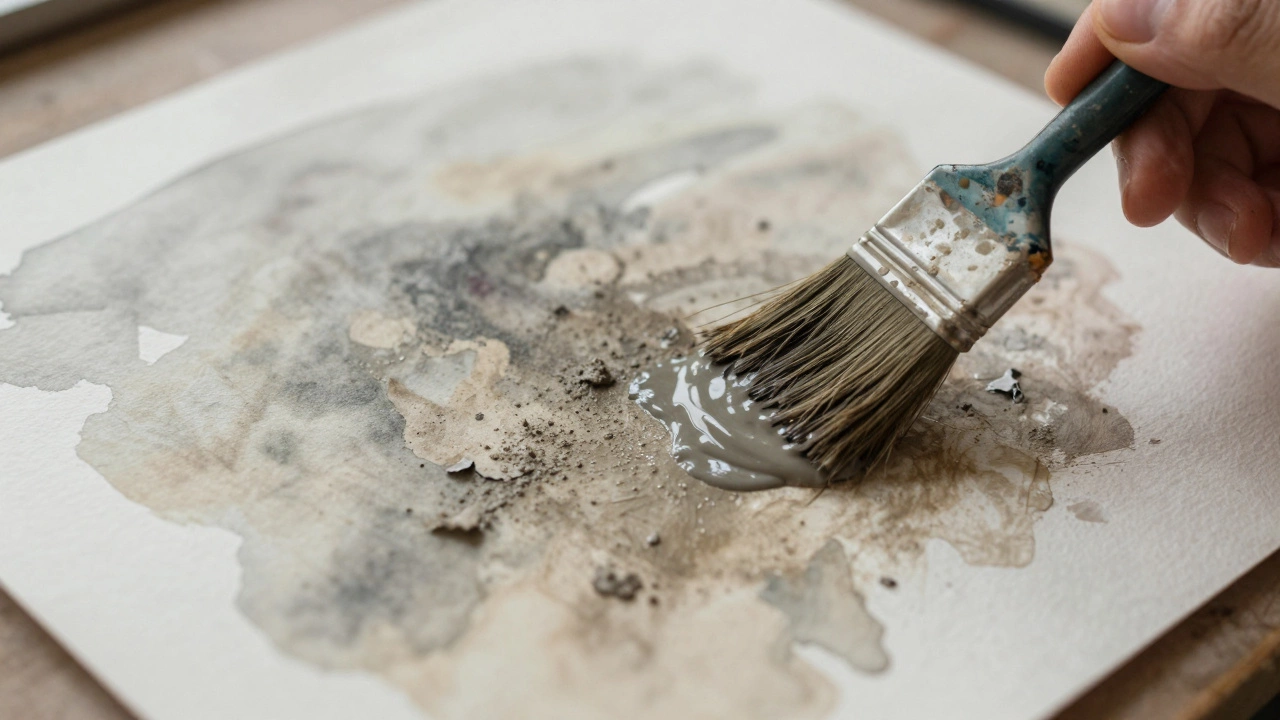
Watercolor paper isn’t canvas. It doesn’t shrug off scrubbing, scraping, or layering like oil or acrylic. Once you rub the surface too hard, you damage the texture. The sizing-what keeps the paint sitting on top instead of sinking in-gets worn away. After three or four passes with a wet brush, the paper starts to pill. Colors lose their brightness. You end up with a flat, chalky mess that looks like it was painted with wet sand.Instead of fixing mistakes by painting over them, let each layer dry completely. If you need to lift color, use a clean, damp brush to gently roll over the area-not scrub. Or wait until the paint dries and use a kneaded eraser to lift pigment from dry paper. Patience isn’t optional; it’s the foundation.
Don’t Use Too Much Water
Water is your tool, not your crutch. Pouring water onto the paper to create "happy accidents" sounds romantic until you realize you’ve lost all control. Too much water means colors bleed uncontrollably. Edges disappear. Shapes turn into blobs. You start chasing the paint instead of guiding it.Think of water like volume on a speaker. You don’t crank it to 11 just because you can. For crisp edges, use less water. For soft blends, use just enough to let the pigment move. Test your brush on scrap paper first. If it drips before you even touch the paper, you’ve got too much. A good rule: your brush should feel damp, not soaked.
Don’t Mix Too Many Colors Together
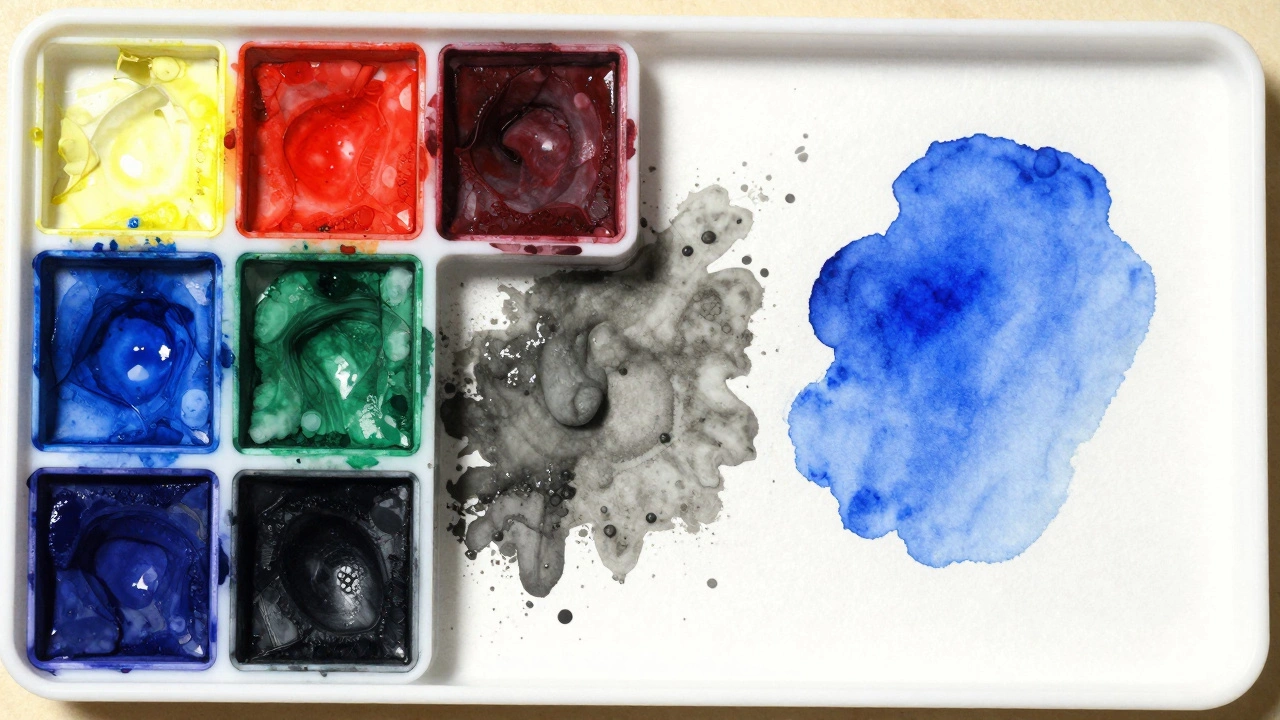
It’s tempting to grab every tube on your palette and mix them all into one big puddle of "interesting gray." But watercolor doesn’t work like oil. Mixing more than three pigments at once almost always creates dull, muddy tones. Even two colors can turn grayish if they’re not on the same side of the color wheel.For example, mixing ultramarine blue with burnt sienna gives you a deep, rich neutral. Add cadmium red to that? Now you’ve got brown sludge. Learn your pigments. Understand which ones are transparent and which are opaque. Stick to two or three pigments per area. Let the paper’s white space do the work. A single wash of cobalt blue over untouched paper looks more alive than five mixed colors layered on top.
Don’t Paint with a Dry Brush on Dry Paper
Some artists swear by drybrush techniques for texture. That’s fine-if you know what you’re doing. But if you’re just starting out and try to drag a dry brush across dry paper, you’ll get scratchy, uneven streaks that look accidental, not intentional. Watercolor relies on water to carry pigment. Without it, you’re not painting-you’re scratching.Use drybrush only on slightly damp paper or with very concentrated pigment. Even then, use it sparingly. For texture, try lifting wet paint with a paper towel, splattering with a toothbrush, or using salt while the wash is still wet. These methods give you control. Drybrush on dry paper? That’s usually a sign you’re trying to force a result instead of letting the medium speak.
Don’t Ignore the White of the Paper
Watercolor’s magic lies in its transparency. The white of the paper is your light source. Yet so many beginners cover every inch with paint, thinking they need to "fill" the space. They paint the sky, the grass, the tree-then realize they have no highlights left. No spark. No breath.Plan your whites before you start. Reserve them with masking fluid if needed. Or leave them untouched. A single patch of untouched paper can make a flower glow or a wave sparkle. Don’t paint the whole scene. Paint the shadows around it. Let the light live in the gaps. Your painting will feel alive because you didn’t try to control everything.
Don’t Rush the Drying Process
You’re tempted to blow on your painting, use a hairdryer, or stack wet sheets on top of each other. Don’t. Watercolor needs time. Rushing it causes blooms, streaks, and uneven color shifts. If you paint over a damp area, the new layer will push the old one around unpredictably. What looks like a happy accident is often just bad timing.Wait. Seriously. Let each layer dry fully. If you’re working on a large piece, use a fan on low or open a window. If you’re in a hurry, paint one section at a time and let it dry before moving on. You’ll spend less time fixing mistakes than you would waiting.
Don’t Use Cheap Paper
You can’t paint watercolor on printer paper and expect it to hold up. It will buckle, warp, and tear. Even budget-friendly watercolor paper like 140 lb cold press is better than anything else. The difference isn’t just about thickness-it’s about sizing, texture, and how it handles water.Low-quality paper absorbs too fast. Pigments sink in and lose vibrancy. Washes turn muddy. You can’t lift color. You can’t rework areas. You’ll get frustrated and blame yourself. It’s not you-it’s the paper. Invest in 100% cotton paper. Even a small block of 5x7 inches made from cotton will outperform a whole pad of wood-pulp paper. It’s cheaper than buying new brushes every few months because you keep ruining them.
Don’t Paint Everything
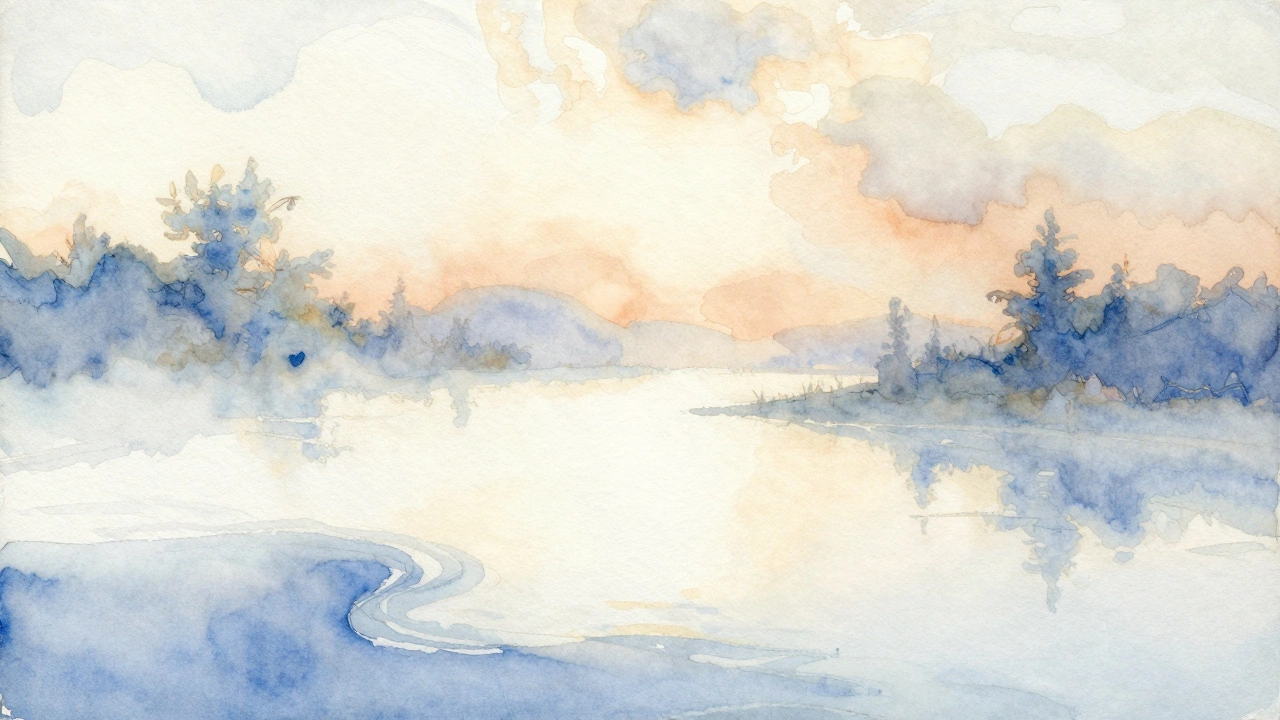
This is the silent killer of watercolor. Beginners think they need to show every leaf, every branch, every stone. They paint the entire forest instead of one tree. They render every ripple in the water instead of suggesting motion with a single stroke.Watercolor thrives on suggestion. A few strokes of blue can be a lake. A dab of ochre can be a sunlit wall. Leave things out. Let the viewer’s mind fill in the gaps. That’s what makes watercolor feel poetic, not photographic. Less is more. And more is just noise.
Don’t Compare Your Work to Others’
You see a watercolor on Instagram that looks like magic. Soft clouds. Glowing light. Perfect edges. You try to copy it. You fail. You feel discouraged. That’s normal-but dangerous.That artist has likely painted hundreds of pieces. They’ve made all the mistakes you’re making now-and learned from them. Their "perfect" painting is the result of years of trial, not talent. Your job isn’t to match them. It’s to learn from your own mistakes. Focus on your progress, not their highlight reel. Every muddy wash, every overworked area, every bloomed edge is data. Use it.
Don’t Give Up After One Bad Painting
Watercolor doesn’t reward perfection. It rewards persistence. One failed painting doesn’t mean you can’t do this. It means you’re learning. You’re experimenting. You’re pushing boundaries. That’s what art is.Keep painting. Keep making messes. Keep trying. The next time you pick up your brush, you’ll know one more thing to avoid. And that’s how mastery happens-not by following rules, but by breaking them, learning from the mess, and trying again.
Can I fix a muddy watercolor painting?
Yes, but only if you catch it early. If the paint is still wet, use a clean, damp brush to lift excess pigment gently. If it’s dry, try lifting with a kneaded eraser or a stiff brush dipped in water. For stubborn areas, use a small amount of masking fluid to preserve highlights and paint around them. But prevention is better than repair-plan your layers and let each dry fully.
Why does my watercolor look flat?
Flatness usually comes from overworking the paper, using too many mixed colors, or covering every inch with paint. Watercolor needs contrast-light areas next to dark, clean washes next to textured ones. Leave white space. Use fewer pigments. Let the paper breathe. A single transparent wash over untouched paper looks more vibrant than five layered tones.
Should I use a palette or mix colors directly on paper?
Use your palette for mixing. Mixing on paper leads to uncontrolled blooms and muddy tones. A palette lets you test combinations before applying them. It also helps you keep colors consistent across your painting. Save direct mixing on paper for intentional effects like wet-on-wet glazes, not for creating your main colors.
What brushes are best for watercolor?
Start with a round brush in sizes 6 and 12 for detail and washes, and a flat brush for broad areas. Natural hair brushes (like sable) hold more water and release it smoothly, but synthetic blends work well too and are more affordable. Avoid stiff bristle brushes-they’re for oils, not watercolor. The key is a good point and a strong spring, not the price tag.
How long should I wait between layers?
Wait until the paper feels completely dry to the touch, not just cool. In humid conditions, that can take 20-30 minutes. In dry air, maybe 10. Use a hairdryer on low if you’re in a hurry, but keep it moving. Never paint over damp areas unless you want blooms or streaks. Patience is the most important tool you have.