Oil Painting Technique: Tools, Tips, and Styles That Actually Work
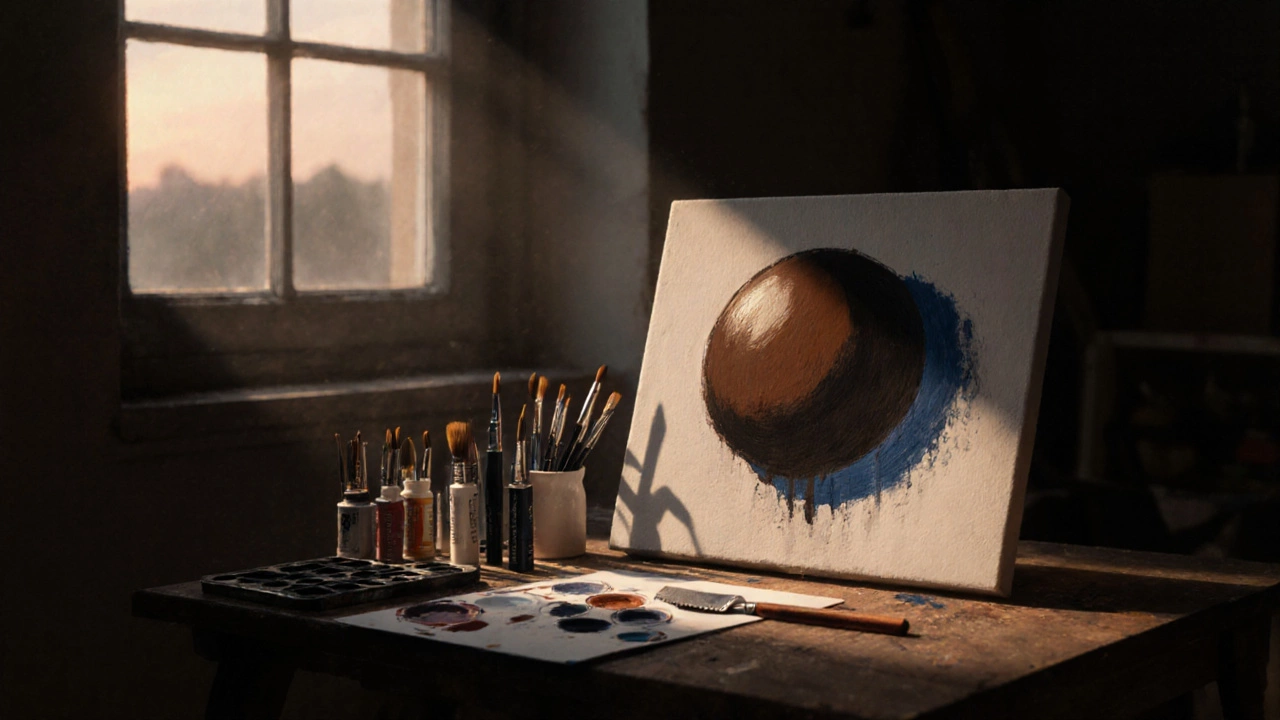
When you hear oil painting technique, a method of applying pigment with oil-based paints to create texture, depth, and lasting color on canvas or other surfaces. Also known as traditional painting method, it’s one of the most enduring ways artists build layers, control light, and make flat surfaces feel alive. This isn’t just about brushes and paint—it’s about timing, layering, and knowing when to stop. Whether you’re mixing colors on a palette or dragging a spatula across thick paint, every move changes the outcome.
Good oil painting canvas, the surface that holds the paint and affects how the pigment adheres, dries, and ages. Also known as primed fabric support, it’s not all the same. Linen lasts longer than cotton, but cotton is cheaper and still works great for beginners. The weight, weave, and how it’s primed make a bigger difference than most people think. Then there’s spatula technique, a method of applying paint with a palette knife or metal tool to create bold, textured strokes instead of smooth brushwork. Also known as impasto, it’s how artists like Van Gogh built up emotion in thick swirls of paint. It’s not just for abstract art—portrait artists use it to give skin a lifelike glow, and landscape painters use it to make clouds feel heavy.
And then there’s the quiet magic of glazing oil painting, applying thin, transparent layers of color over dried paint to deepen tones and create luminous effects. Also known as layered color technique, it’s how old masters made reds look like they glowed from within. You don’t need to mix a brighter red—you just add a thin coat of transparent crimson over dried orange. It’s the difference between a flat color and one that feels lit from inside. Most beginners skip this because it takes patience, but it’s the secret behind paintings that look expensive even when they’re not.
Size matters too. You can’t just paint any size and expect it to sell. The oil painting sizes, standard dimensions that galleries and buyers prefer for display and wall space. Also known as commercial canvas proportions, they’re not random. 16x20, 18x24, 20x24—these aren’t just convenient. They’re what people buy. Too big, and it won’t fit in most homes. Too small, and it feels like a sketch. The best artists pick their size based on where the painting will live, not just what looks cool on the easel.
What you’ll find below isn’t theory. These are real posts from artists who’ve been there—struggling with dull colors, cracking paint, wrong canvas choices, and messy textures. You’ll learn how to brighten a flat oil painting without repainting it, what tools actually work for beginners, and why some techniques sell better than others in 2025. No fluff. No jargon. Just what helps you paint better, faster, and with more confidence.