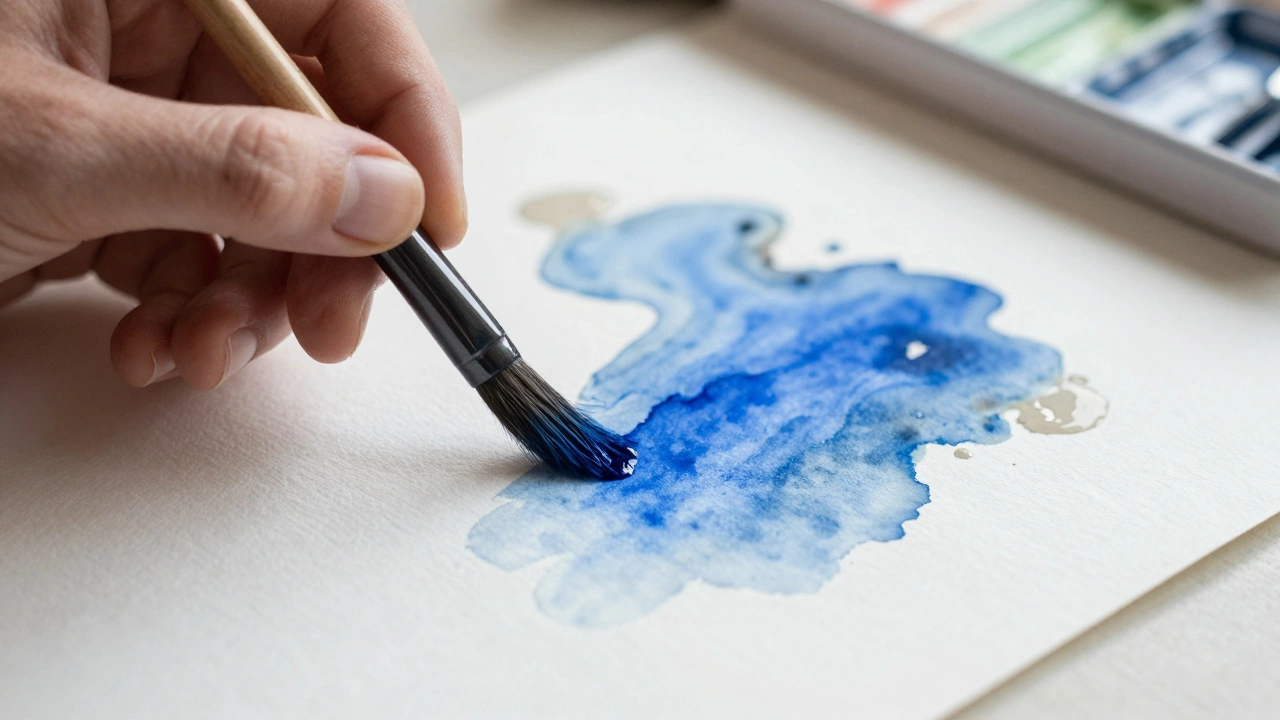
Watercolor Errors: Common Mistakes and How to Fix Them
When you work with watercolor, a transparent, fluid painting medium that relies on layering and controlled water flow. Also known as transparent watercolor, it’s one of the most forgiving and frustrating mediums out there. You can’t erase it like pencil, and it doesn’t behave like oil or acrylic—it moves on its own. That’s why so many artists, even experienced ones, run into the same watercolor errors over and over.
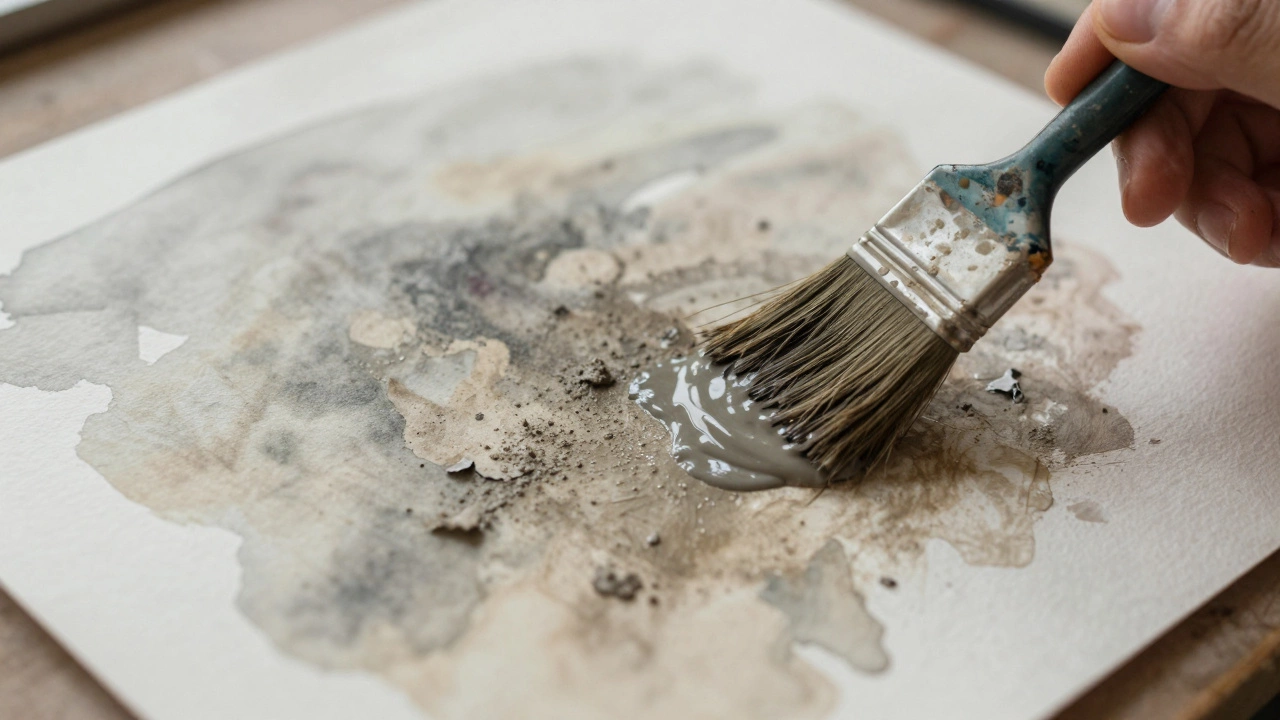
Most of these mistakes come down to three things: too much water, too little control, and rushing the layers. If your colors bleed into each other like muddy soup, that’s not a creative choice—it’s a technique issue. If your paper wrinkles or tears, you’re probably using the wrong weight or skipping the stretch. If your whites look gray, you didn’t protect them early enough. These aren’t just "oops" moments—they’re signals. Each one tells you what to adjust next time: paper quality, brush pressure, drying time, or pigment load. Watercolor doesn’t punish you for being new; it just won’t lie to you.
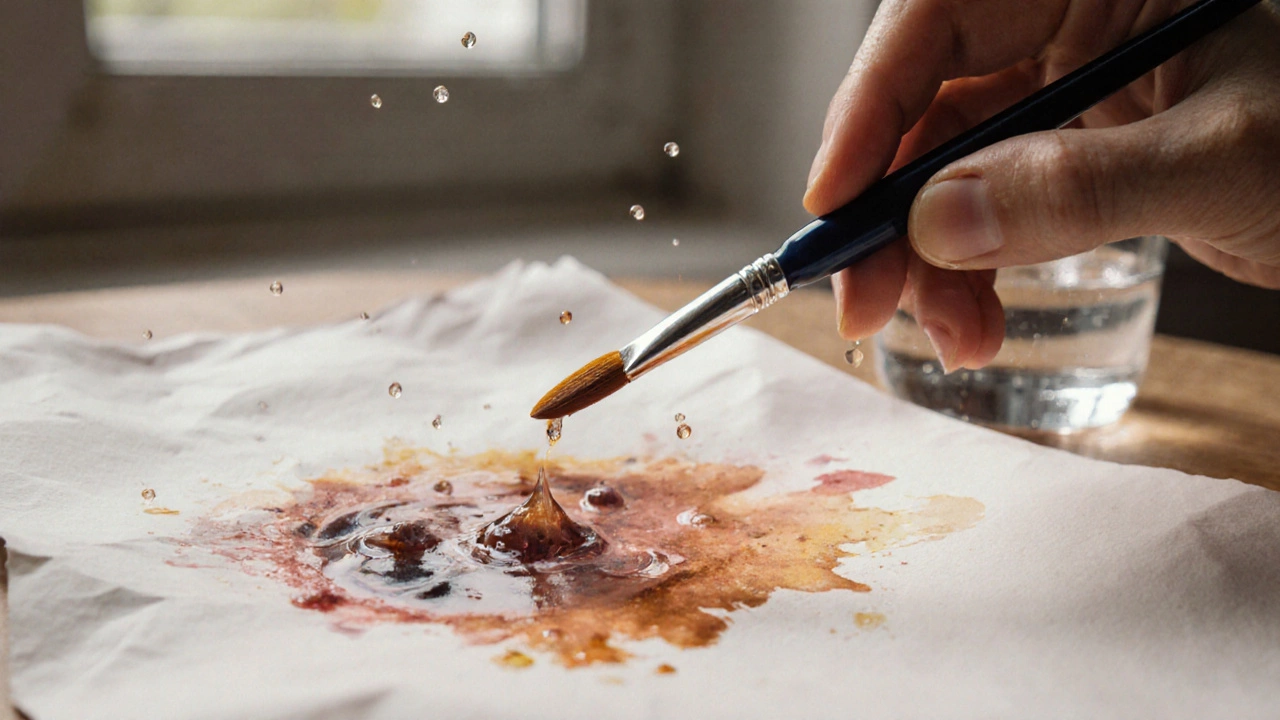
Some artists think mistakes mean they’re not good enough. But the best watercolorists didn’t start with perfect control—they started with messy experiments. The halo effect around a wash? That’s not a flaw if you learn to use it as a soft edge. A backrun? That’s nature stepping in. You don’t have to fight every error. You just have to understand why it happened. That’s where real progress begins. Whether you’re painting landscapes, florals, or abstract shapes, knowing what went wrong helps you predict what will go right next time.
Below, you’ll find real posts from artists who’ve been there—breaking down why their paintings turned out flat, muddy, or uneven, and how they fixed them. No fluff. No theory. Just what actually works when the paint won’t cooperate.