Watercolor Mistakes: Common Errors and How to Fix Them
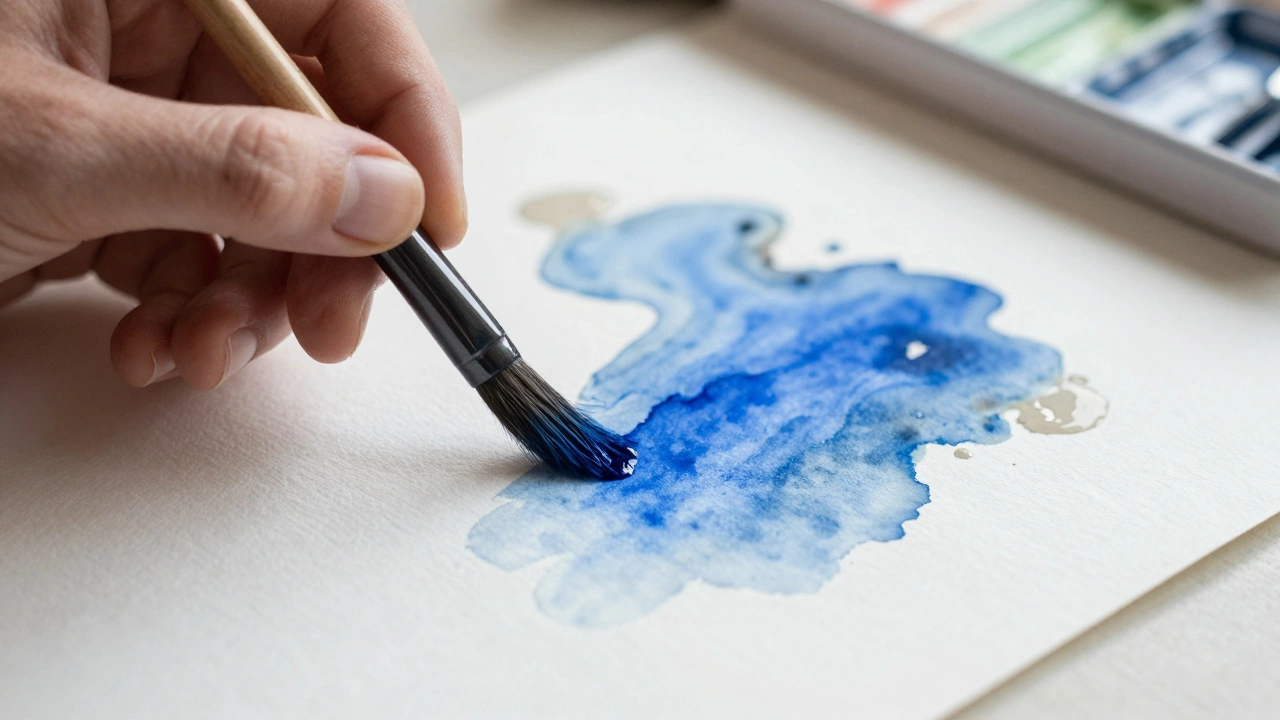
When you work with watercolor, a transparent painting medium that relies on layering and water control. Also known as transparent watercolor, it’s unforgiving—once the paint hits the paper, you can’t just wipe it away. That’s why so many beginners feel frustrated, even when they’re following tutorials. But watercolor isn’t hard because it’s technical—it’s hard because it demands patience, timing, and trust in the process.
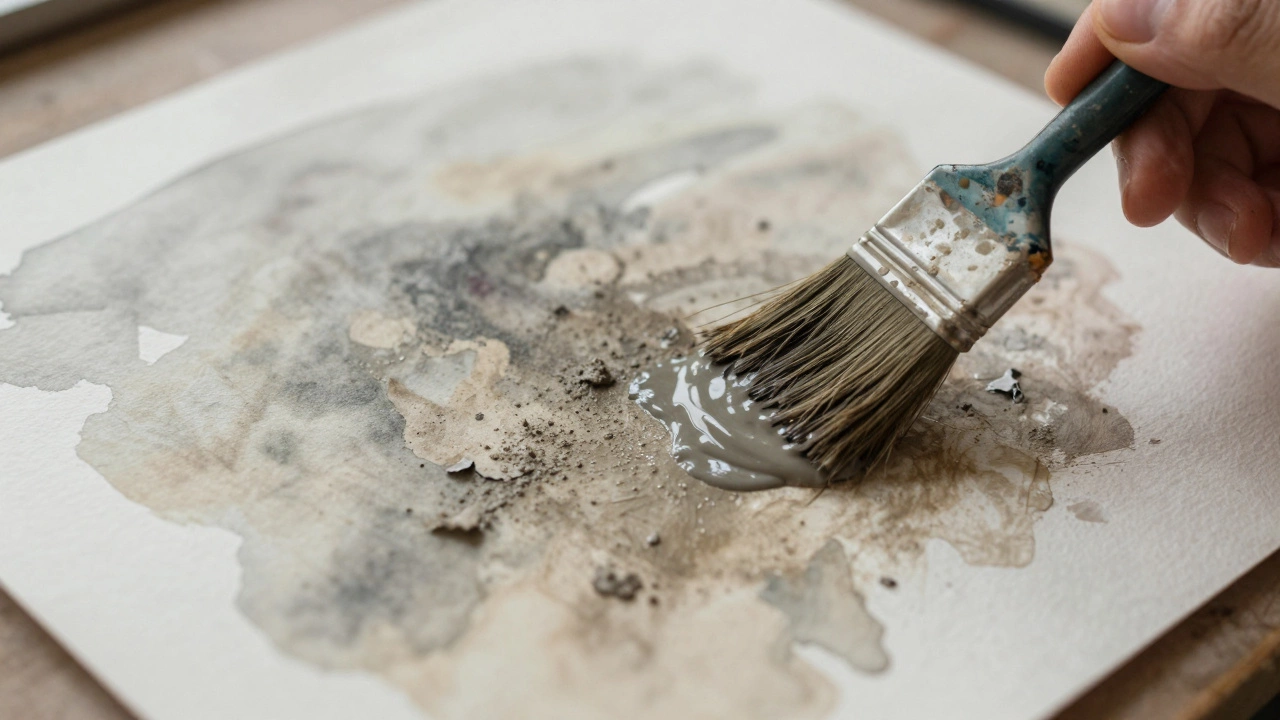
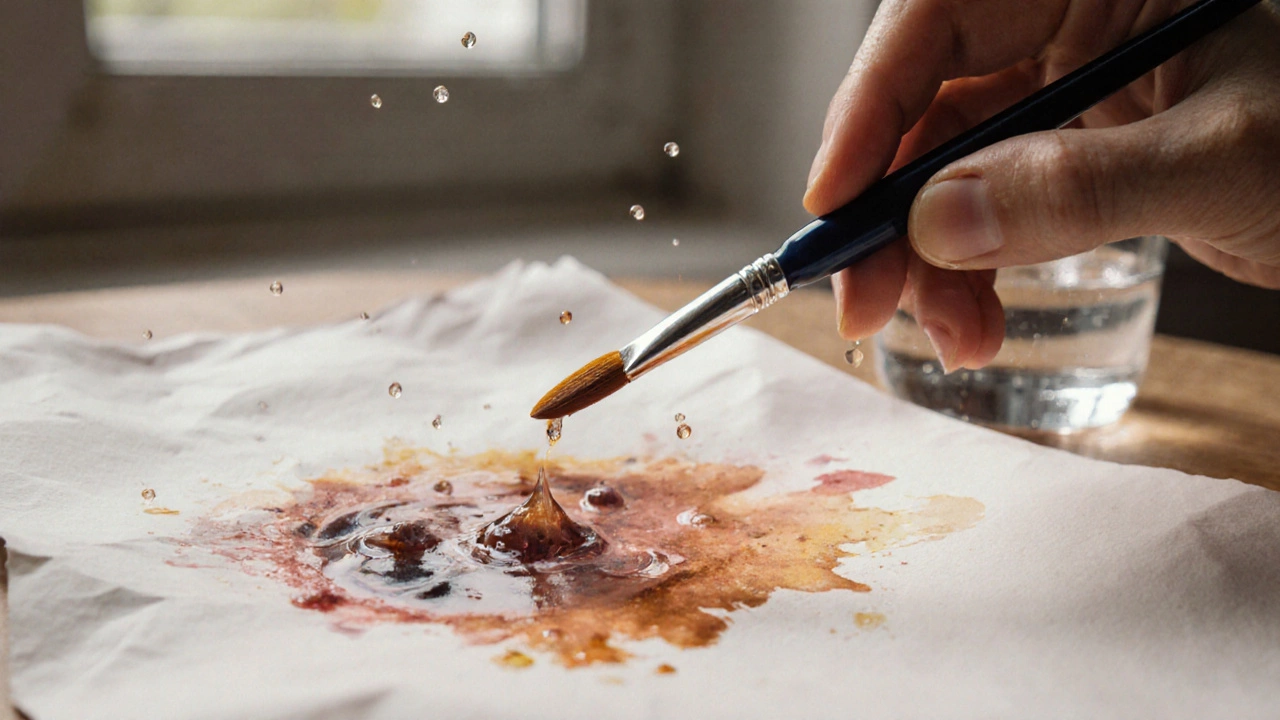
Most watercolor mistakes come from trying to control too much. You load too much water, and the pigment bleeds where you didn’t want it. You paint over a dry layer too soon, and the colors muddy into a dull gray. You keep going back to fix small areas, and the paper starts to pill or warp. These aren’t signs you’re bad at art—they’re signs you’re still learning how watercolor behaves. The best artists didn’t avoid these mistakes; they learned to work with them. Watercolor doesn’t reward perfection. It rewards intuition.
Related issues like brush control, how you hold, load, and move your brush to manage flow and edge quality, or choosing the wrong paper weight, the thickness of the paper that determines how much water it can hold without buckling, often get ignored. A 140lb paper will buckle under heavy washes. A stiff brush will drag and leave harsh lines. These aren’t just tools—they’re part of the language of watercolor. You wouldn’t try to write a poem with a typewriter that jams. Don’t try to paint with paper or brushes that fight you.
And then there’s the habit of painting too small. Beginners often pick tiny subjects—like a single flower or a cup—thinking it’s easier. But small areas leave no room for error. A single misplaced stroke ruins the whole thing. Try larger shapes. Let the paint flow. Give yourself space to make mistakes without panic. Watercolor thrives in openness. It’s not about precision. It’s about rhythm.
You’ll find posts here that break down exactly what goes wrong when you mix too many pigments, why your sky turns muddy, and how to fix a painting that’s gone flat. Some artists hide their mistakes. Others turn them into texture. You don’t need to be perfect. You just need to keep going. The next time your paint bleeds where it shouldn’t, don’t throw it out. Ask yourself: What did this teach me? That’s how real progress happens.