Watercolor Painting Tips: Simple Tricks for Better Results
When you pick up a watercolor painting, a transparent, fluid art form that relies on layering pigment with water to create luminous effects. It’s not just about brushing color on paper—it’s about learning how water and pigment behave together. Many beginners think it’s all about talent, but the truth? It’s mostly about control. You don’t need expensive brushes or rare pigments. You need to understand how much water to use, when to let a wash dry, and how to let the paper do some of the work.
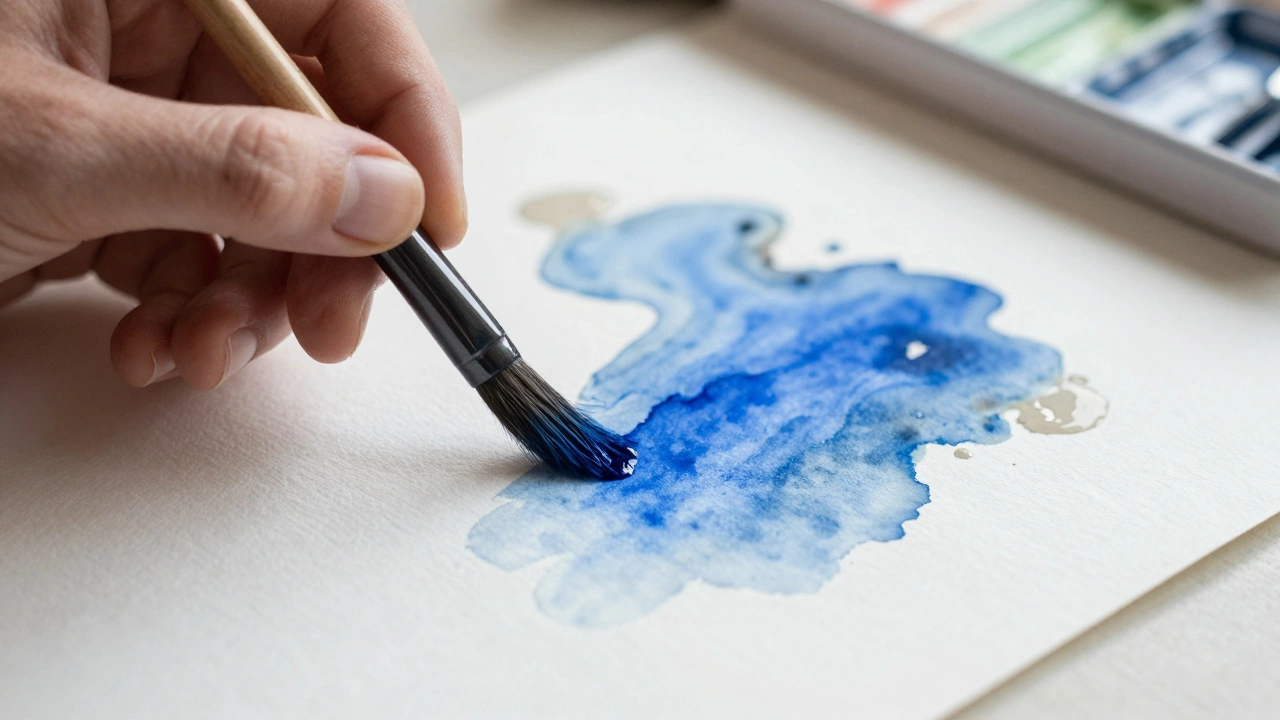
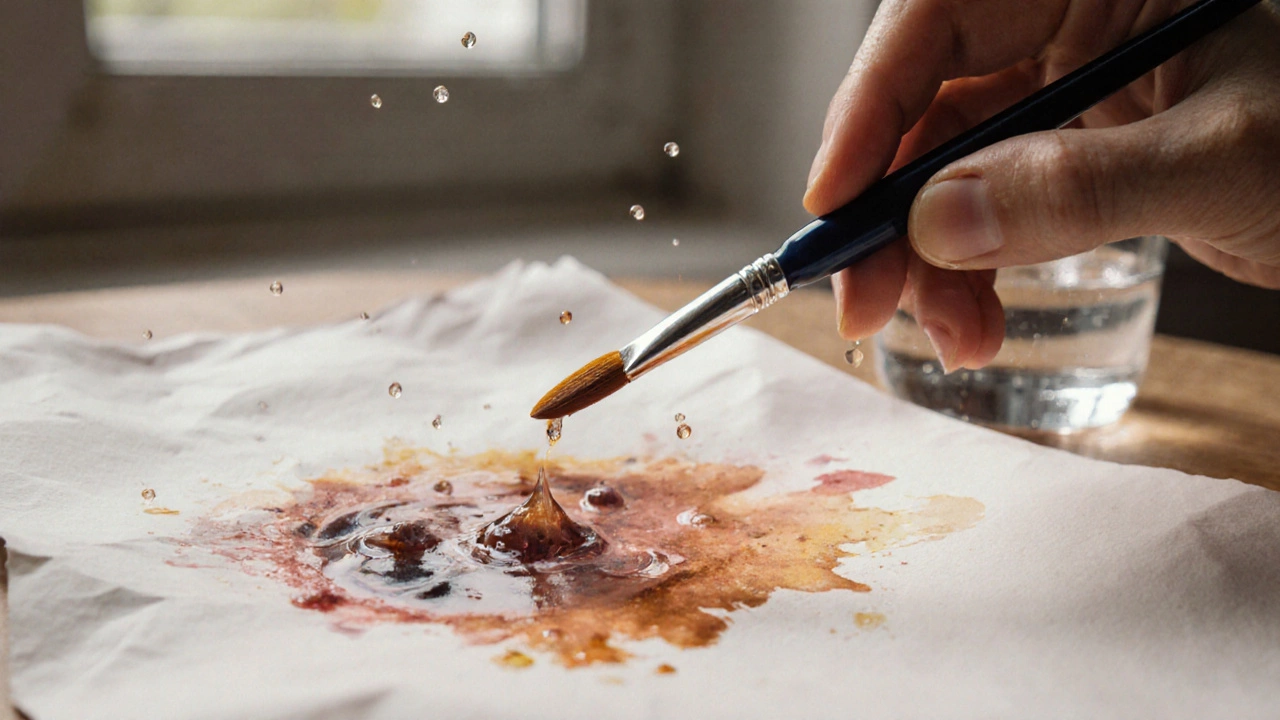
Watercolor paper, a thick, textured paper designed to hold moisture without warping, is one of the most overlooked tools. Regular printer paper will buckle, bleed, and ruin your painting before you even finish the first stroke. Look for 140 lb or 300 gsm cold-pressed paper—it’s the sweet spot for beginners and pros alike. Then there’s the water-to-paint ratio, the balance that determines whether your color flows softly or pools into muddy blobs. Too much water? Your shapes lose definition. Too little? You get harsh edges and stiff-looking areas. The best artists don’t fight this—they use it. They let a wet edge bloom into a soft gradient, or let a dry brush drag pigment into textured strokes.
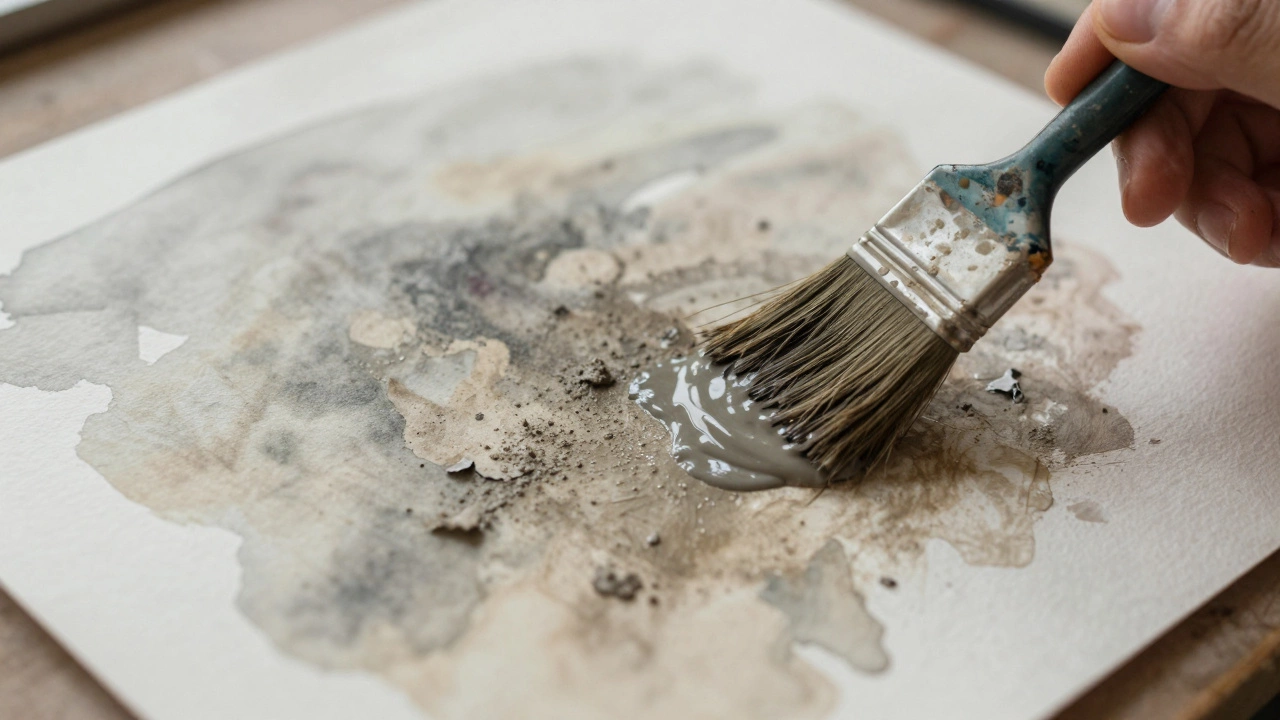
One thing you’ll notice in the posts below: most successful watercolor work isn’t about detail. It’s about value, timing, and leaving space. You don’t paint every leaf. You suggest them. You don’t mix every shade. You let one wash bleed into another. The magic happens in the gaps. That’s why so many artists start with light washes and build up slowly—dark to light, like oil painters, but with way more unpredictability. And yes, mistakes happen. A bloom you didn’t plan? A color that turned gray? That’s not failure. That’s watercolor being watercolor. The best painters learn to work with accidents, not against them.
You’ll find posts here that cover how to mix clean colors without turning them muddy, which brushes actually matter for what job, and why some pigments stain while others lift right off. There’s advice on how to paint skies that don’t look flat, how to paint wet-on-wet without losing control, and how to fix a painting that went wrong without starting over. No fluff. No theory-heavy lectures. Just what works, tested by artists who’ve painted hundreds of pieces and still get surprised by the medium every time.
Watercolor doesn’t need to be intimidating. It’s not about perfection. It’s about letting go just enough to let the paint breathe. The posts below are full of real, usable tricks—not just for beginners, but for anyone who’s ever stared at a painting and thought, "How did they make that look so easy?"