Watercolor Techniques: Simple Methods That Actually Work
When you pick up a watercolor brush, you're not just painting—you're working with watercolor techniques, a set of methods that control how pigment moves, blends, and dries on paper. Also known as watercolor painting methods, these aren’t magic tricks. They’re repeatable, teachable actions that turn unpredictable water into controlled beauty. Most beginners think watercolor is all about luck. It’s not. It’s about knowing when to let the water do the work and when to step in.
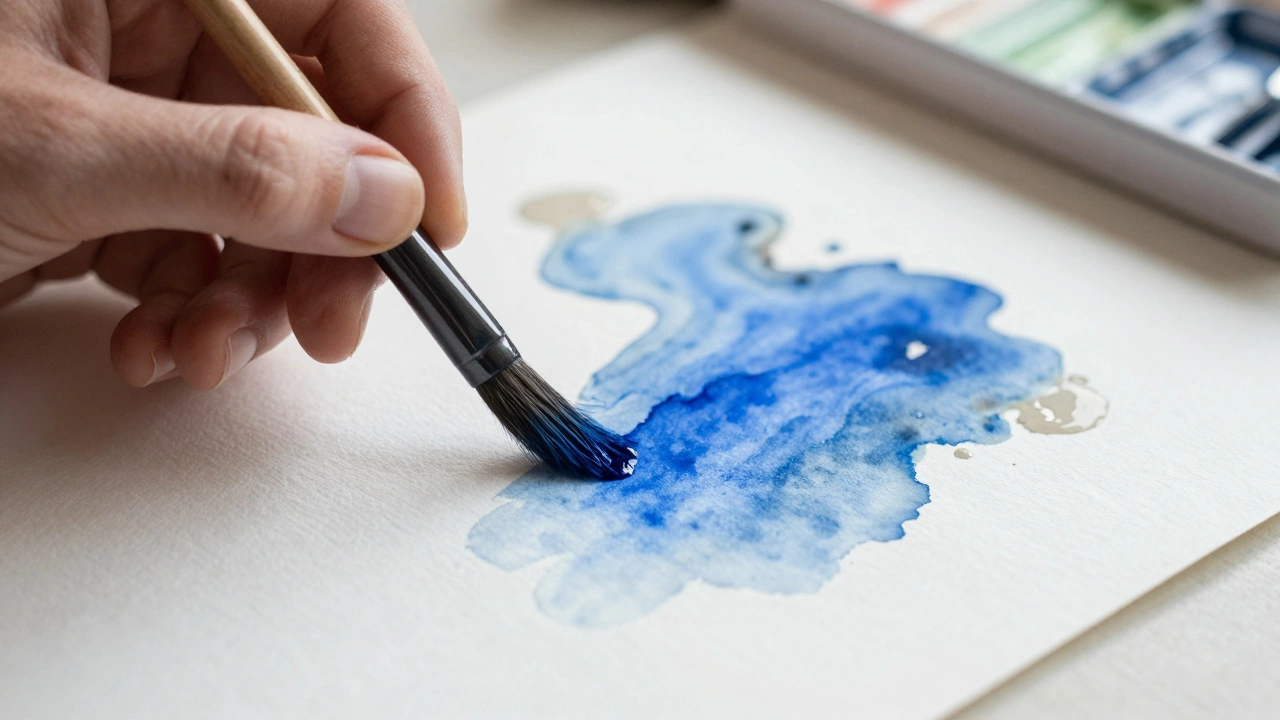
The real difference between a flat wash and a glowing one comes down to three things: wet-on-wet, a method where paint flows into damp paper to create soft edges and organic blends, wet-on-dry, where paint sits on dry paper for sharp edges and crisp details, and layering, building color gradually with transparent glazes instead of slathering pigment. These aren’t just terms—they’re tools. Wet-on-wet gives you skies that breathe. Wet-on-dry lets you paint fine lines like tree branches or facial features. Layering lets you deepen shadows without turning your painting muddy. Skip layering, and you’ll end up with dull, lifeless color. Use it right, and your colors glow from within.
There’s no secret formula, but there are common mistakes everyone makes. Using too much water? Your shapes bleed into each other and lose form. Not letting layers dry? You get muddy grays instead of rich purples. Skipping the pencil sketch? You’ll struggle with proportions. The best artists don’t avoid mess—they plan for it. They know how much water to load on the brush, how long to wait between layers, and when to lift pigment with a dry brush to create highlights. It’s all about timing and trust in the medium.
You’ll find posts here that show you exactly how to mix a clean green without turning it brown, how to paint clouds that look real without blending them into the sky, and how to use salt, masking fluid, or alcohol to create textures you can’t get with a brush alone. These aren’t fancy tricks. They’re practical steps used by artists who’ve learned through trial and error—and now they’re sharing what works. Whether you’re painting a single leaf or a full landscape, the same principles apply. Watercolor doesn’t need to be intimidating. It just needs to be understood.