Sculpture Description Generator
Use the professional three-step formula to move from saying "that statue" to a curator-level description.
Suggested Description:
"..."
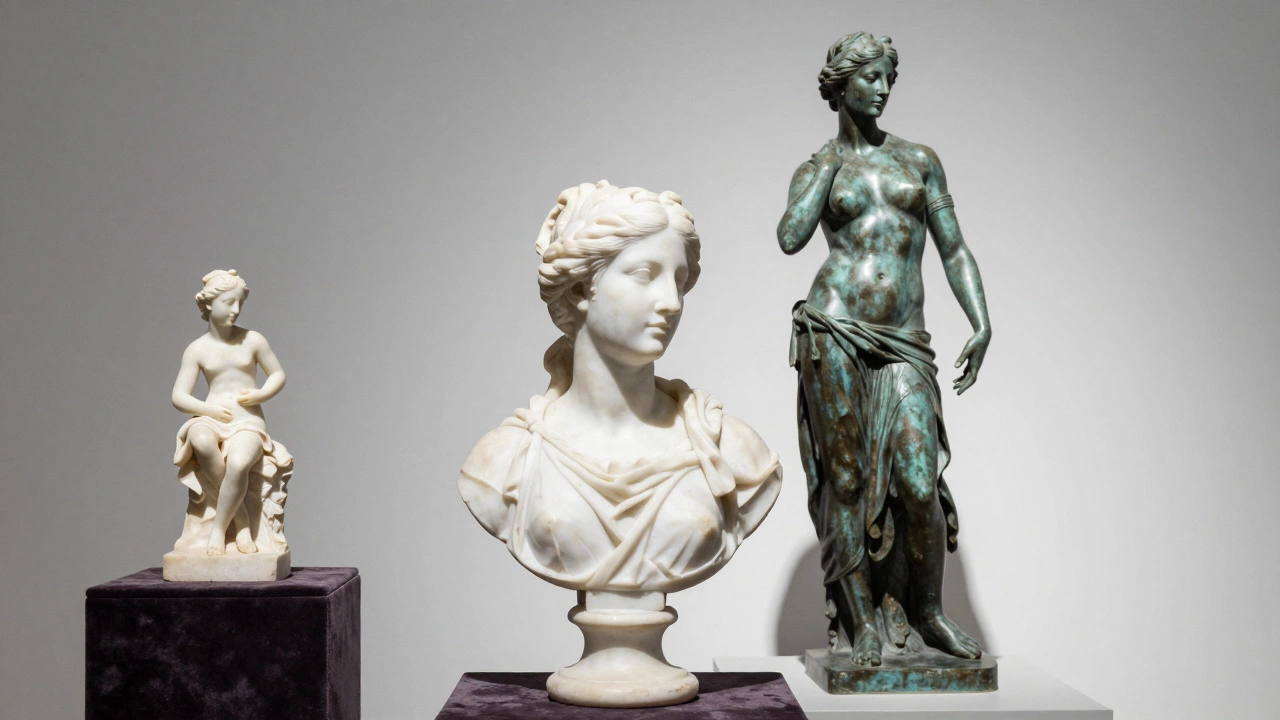
You might think there is a specific, fancy word for a sculpture of a woman, like there is for a painting of a person (a portrait). But here is the short answer: there isn't one. Whether the subject is a man, a woman, or a mythical creature, it is simply called a female sculpture or a figurative work. However, depending on the style, the material, and the historical context, artists and curators use different terms to describe these pieces. Knowing these distinctions helps you move from saying "that statue" to describing the actual art form.
Quick Summary of Key Terms
- Statue: A full-figure sculpture, usually life-size or larger.
- Bust: A sculpture of the head, neck, and upper chest.
- Figurine: A small-scale sculpture, often handheld.
- Figurative Art: The broader category of art representing the human form.
- Venus: A specific historical term for prehistoric female fertility sculptures.
The Basics of Figurative Art
When we talk about sculptures of people, we are entering the world of Figurative Art is art that represents the human figure or other recognizable objects from the real world. This is the umbrella term. If you are looking at a female form in a gallery, you are looking at a figurative piece. Unlike abstract art, which focuses on shapes and colors, figurative art is all about the anatomy, the pose, and the identity of the subject.
The scale of the work usually dictates what you call it. If you're standing in a plaza looking up at a massive bronze woman, that is a Statue, which typically refers to a freestanding work that is life-sized or larger. If you're in a museum looking at a small marble woman that fits in the palm of your hand, that is a Figurine. It is a simple distinction, but it changes how we perceive the intent of the artist. A statue is often meant to command a space, while a figurine is meant to be intimate.
Specific Terms for the Female Form
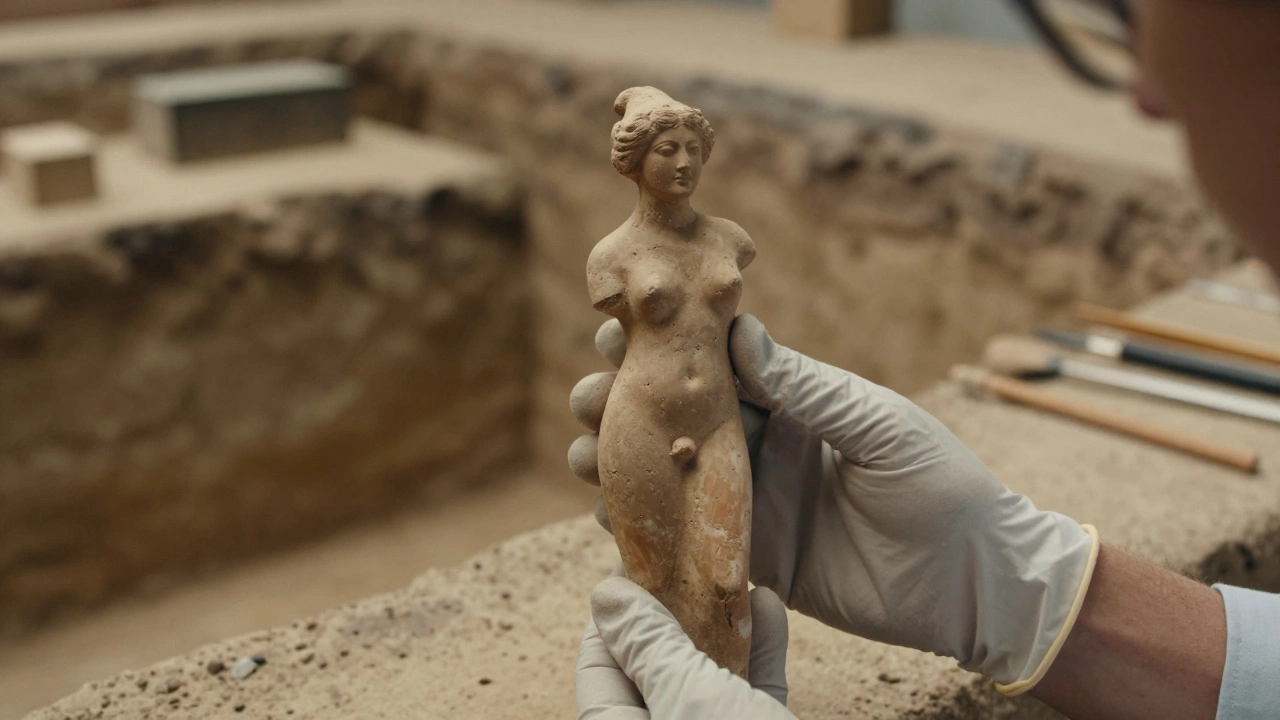
While there is no single word for "female sculpture," there are terms that are almost exclusively associated with women in art history. Take the Venus sculptures, for example. In archaeology, a "Venus figurine" refers to prehistoric statuettes of women, usually with exaggerated physical features, thought to represent fertility. The most famous example is the Venus of Willendorf, created around 25,000 BCE. Using the word "Venus" here isn't about the Roman goddess of love, but a classification used by historians to group these early female forms.
Then there is the Bust. A bust is a sculpture that represents only the upper part of the human body. When a sculpture focuses on a woman's facial expression and shoulders, it is a female bust. These were incredibly popular during the Renaissance and the Neoclassical periods as a way to capture the likeness and social status of a woman without the complexity of carving a full body.
| Term | Scale | Typical Subject | Primary Focus |
|---|---|---|---|
| Statue | Life-size or larger | Public figures, deities | Presence and scale |
| Bust | Head to chest | Portraits, nobility | Facial detail/emotion |
| Figurine | Small / Miniature | Domestic decor, deities | Intricacy and portability |
| Relief | Flat background | Narrative scenes | Two-dimensional depth |
Materials That Define the Work
The way we describe a female sculpture often changes based on what it is made of. If the piece is carved from a single block of stone, we call it a Carving. Most of the famous Greek and Roman female sculptures, like the Venus de Milo, are marble carvings. Marble is prized because its slight translucency mimics the look of human skin, making the female form appear more lifelike.
On the other hand, if the artist used liquid metal poured into a mold, it is a Cast. Bronze is the gold standard here. Bronze allows for much more daring poses-like a woman leaning back or extending an arm-because the metal is stronger and doesn't snap as easily as marble. When you see a modern bronze sculpture of a woman in a park, you're seeing the result of a complex casting process that started with wax or clay.
Then there is Terracotta, which is fired clay. This was used extensively in ancient China and Rome for female figures. It's a warmer, more earthy material that feels less formal than marble or bronze, often used for more "everyday" representations of women rather than idealized goddesses.
The Concept of the "Female Gaze" in Sculpture
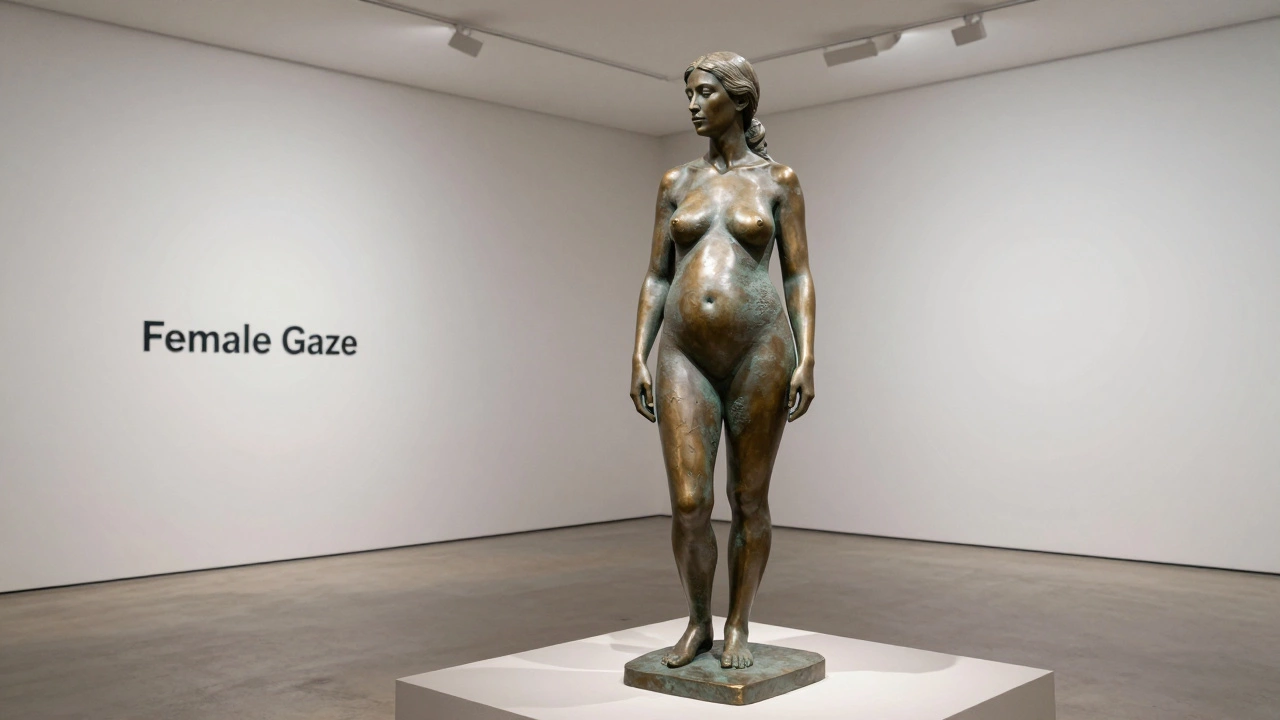
It is not just about what you call the sculpture, but who is looking at it. For centuries, most female sculptures were created by men for men. This is often called the "Male Gaze," where the female form is idealized or eroticized. However, in Contemporary Art, we see a shift toward the "Female Gaze." This happens when women sculpt other women.
When a female artist creates a sculpture of a woman, the focus often shifts from how the body looks to how it feels. You'll see more realistic depictions of aging, pregnancy, and motherhood. The terminology shifts from "idealized form" to "embodied experience." For instance, a contemporary sculpture might not be called a "statue" in the classical sense, but an "installation" if it uses mixed media to tell a story about womanhood.
How to Describe a Sculpture Like a Pro
If you want to describe a female sculpture accurately, stop looking for a single noun and start building a descriptive phrase. Use this three-step formula: [Scale/Type] + [Material] + [Subject/Style].
- Determine the scale: Is it a bust, a figurine, or a full statue?
- Identify the material: Is it marble, bronze, clay, or resin?
- Describe the style: Is it classical, abstract, hyper-realistic, or stylized?
Instead of saying "that woman sculpture," you could say, "It's a life-sized bronze statue in a neoclassical style." This tells the listener exactly what the object is, how it was made, and what it looks like. It transforms a vague observation into a professional description.
Common Pitfalls in Terminology
One of the biggest mistakes people make is calling every sculpture a "statue." As we've seen, a statue is a specific type of sculpture. If you call a small porcelain lady on a shelf a "statue," you're technically wrong-it's a figurine. Similarly, avoid calling every female sculpture a "goddess." While many historical pieces represent deities, many others are simply portraits of real women or allegories (where the woman represents a concept like "Justice" or "Liberty").
Another common error is confusing a "relief" with a "statue." A Relief Sculpture is carved into a flat surface and cannot be walked around. If the female figure is emerging from a wall or a coin, it is a relief, regardless of whether it is a full figure or just a face.
Is there a specific feminine word for sculpture?
No, there is no gender-specific noun for a sculpture. Whether the subject is male or female, the object is called a sculpture, statue, bust, or figurine based on its size and form.
What is the difference between a statue and a figurine?
The main difference is scale. A statue is typically life-sized or larger and is often designed for public spaces. A figurine is a small, miniature sculpture meant for indoor display or handheld use.
What is a "Venus" in art?
In an archaeological context, a "Venus" is a prehistoric figurine of a woman, typically characterized by exaggerated hips and breasts, believed to be symbols of fertility and motherhood.
Can a female sculpture be called a portrait?
Yes. If the sculpture is intended to represent a specific, real-life woman, it is considered a portrait sculpture. This is common with busts of historical figures.
What is the most common material for female sculptures?
Historically, marble and bronze are the most common. Marble was used for its skin-like quality in classical art, while bronze is used for its durability and ability to support complex, dynamic poses.
What to Explore Next
If you're interested in how the human form is captured in art, you might want to look into Anatomical Study, which is how artists learn the muscles and bones to make sculptures look real. You could also explore the history of Neoclassicism to see how 18th-century artists obsessed over the "perfect" female proportions of Ancient Greece. Finally, checking out Mixed Media Sculpture will show you how modern artists use everything from plastic to fabric to challenge traditional ideas of the female body.