Street Art Impact Estimator
Configure your hypothetical mural to see how it aligns with the ultimate goals of street art discussed in the article.
Impact Score
Alignment with Street Art Goals
Primary Goals Achieved:
Potential Outcomes:
Select options and click Analyze to estimate the social and cultural impact of your street art project.
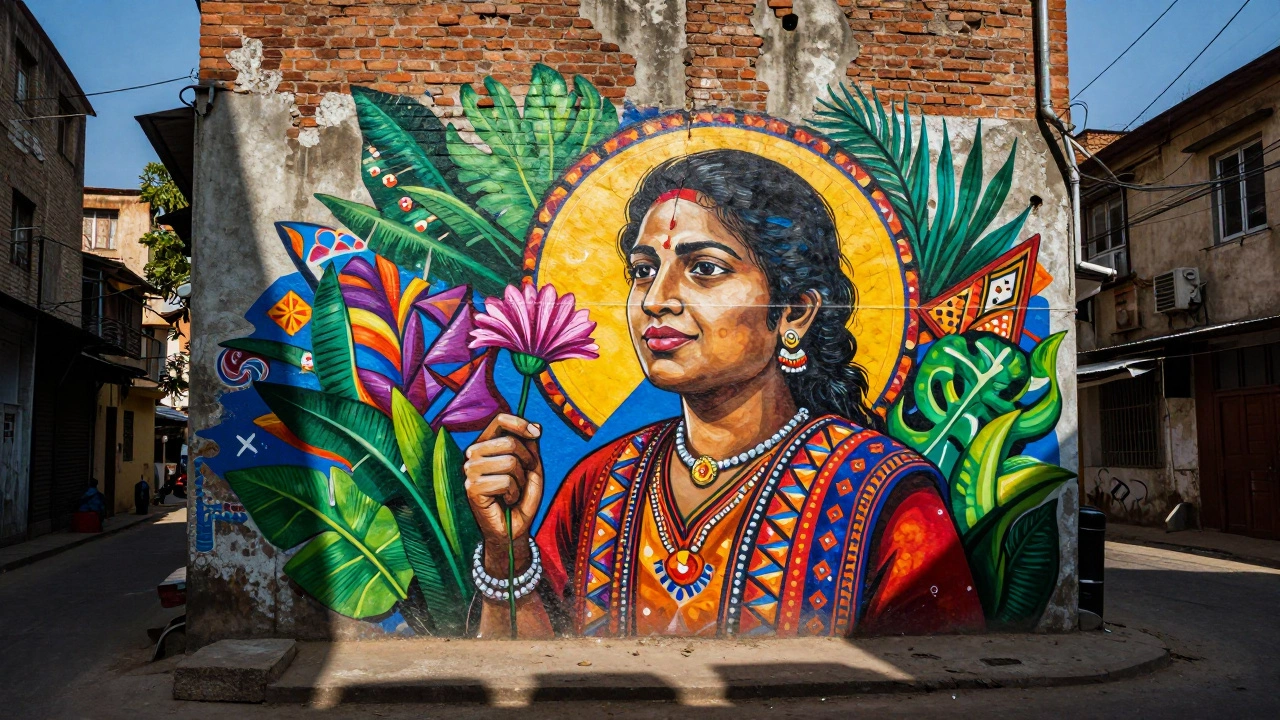
Look at that crumbling brick wall on the corner. Yesterday it was just a grey, forgotten surface. Today, it’s a vibrant explosion of color, featuring a giant mural of a local activist or a surreal landscape that seems to breathe. You stop. You take a photo. You wonder: why is this here?
For decades, the answer was simple: vandalism. It was graffiti, tagging, and chaos. But today, when we ask what is the ultimate goal of street art, the answer is far more complex. It isn’t just about making things look pretty. It is about reclaiming space, forcing a conversation, and rewriting the narrative of our cities. Street art has evolved from a subculture of rebellion into a legitimate form of modern expression with specific, powerful objectives.
The Reclamation of Public Space
The most immediate goal of street art is spatial reclamation. Cities are often designed by corporations and governments for efficiency, not for people. We have sterile office blocks, endless advertising billboards, and concrete jungles that feel cold and impersonal. Street artists step into these voids to say, "This space belongs to everyone." Banksy is a pseudonymous England-based street artist whose work often combines dark humor with satire and political stances. His pieces frequently appear on walls in London and Bristol, transforming neglected areas into global tourist destinations. When Banksy paints a child holding a balloon on a war-torn wall, he isn't just decorating; he is inserting humanity into a landscape that has been stripped of it.
This act transforms 'dead' zones into places of engagement. A blank wall invites nothing. A painted wall invites curiosity. By occupying public surfaces, street artists challenge the monopoly that advertisers and property owners hold over our visual environment. They remind us that public space should be a canvas for community identity, not just a backdrop for consumerism.
Social Commentary and Political Protest
If reclamation is the method, then social commentary is often the message. The ultimate goal here is agitation. Street art bypasses the gatekeepers of traditional media. There is no gallery curator to approve your work, no newspaper editor to censor your headline. If you want to speak truth to power, you go directly to the source: the public.
Consider the role of street art during political upheavals. In 2011, during the Arab Spring, murals became a primary tool for communication. Artists painted portraits of martyrs and slogans demanding freedom on the very walls that separated protesters from security forces. These images were shared globally via social media, amplifying the local struggle into an international movement.
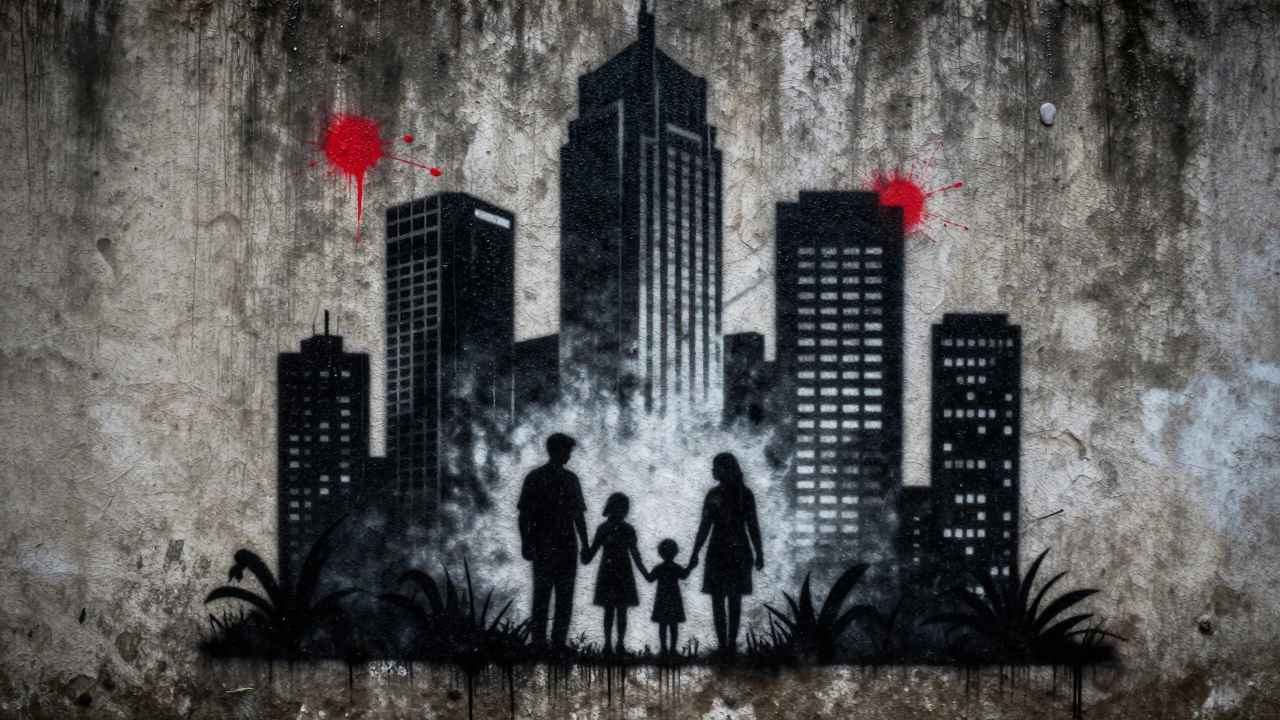
In Sydney, where I live, street art often addresses issues like housing affordability, Indigenous rights, and environmental degradation. A stencil of a family being evicted, placed outside a luxury development, tells a story that statistics cannot. It creates an emotional connection. The goal is to make the invisible visible-to force passersby to confront uncomfortable truths they might otherwise ignore in their daily commute.
Challenging the Definition of Art
Traditional art exists in white cubes-museums and galleries-that require tickets, silence, and a certain level of cultural capital to appreciate. Street art shatters this elitism. Its goal is democratization. Anyone can walk down the street and encounter a masterpiece. No PhD in art history is required to understand the pain in a character's eyes or the joy in a splash of color.
This challenges the institution of art itself. Who decides what is valuable? Is a painting worth millions because it hangs in the Louvre, or is it valuable because it moves a thousand people who saw it on their way to work? Street art argues for the latter. It asserts that art is a right, not a privilege. By placing high-concept imagery in low-status locations, it blurs the line between high art and low culture, suggesting that beauty and intellect belong to the streets as much as they do to the palace.
| Feature | Traditional Gallery Art | Street Art |
|---|---|---|
| Accessibility | Limited (tickets, hours) | Unlimited (24/7, free) |
| Audience | Art enthusiasts, collectors | General public, commuters |
| Longevity | Permanent (preserved) | Ephemeral (weather, paint-over) |
| Context | Controlled environment | Urban reality, mixed messages |
The Ephemeral Nature: Beauty in Impermanence
One of the most profound goals of street art is its embrace of impermanence. Unlike a bronze statue or an oil painting in a climate-controlled vault, street art is temporary. Rain fades it. Sun bleaches it. City councils scrape it off. New layers cover old ones.
This ephemerality is a feature, not a bug. It reflects the transient nature of urban life itself. Our cities are constantly changing, growing, and decaying. Street art mirrors this cycle. The fact that a piece might only last a few weeks makes it more precious to those who see it. It creates a sense of urgency and presence. You have to witness it now, before it’s gone. This aligns with the Japanese concept of *mono no aware*-the pathos of things, a sensitivity to ephemera. The goal is to capture a moment in time, acknowledging that change is the only constant.
Community Building and Identity
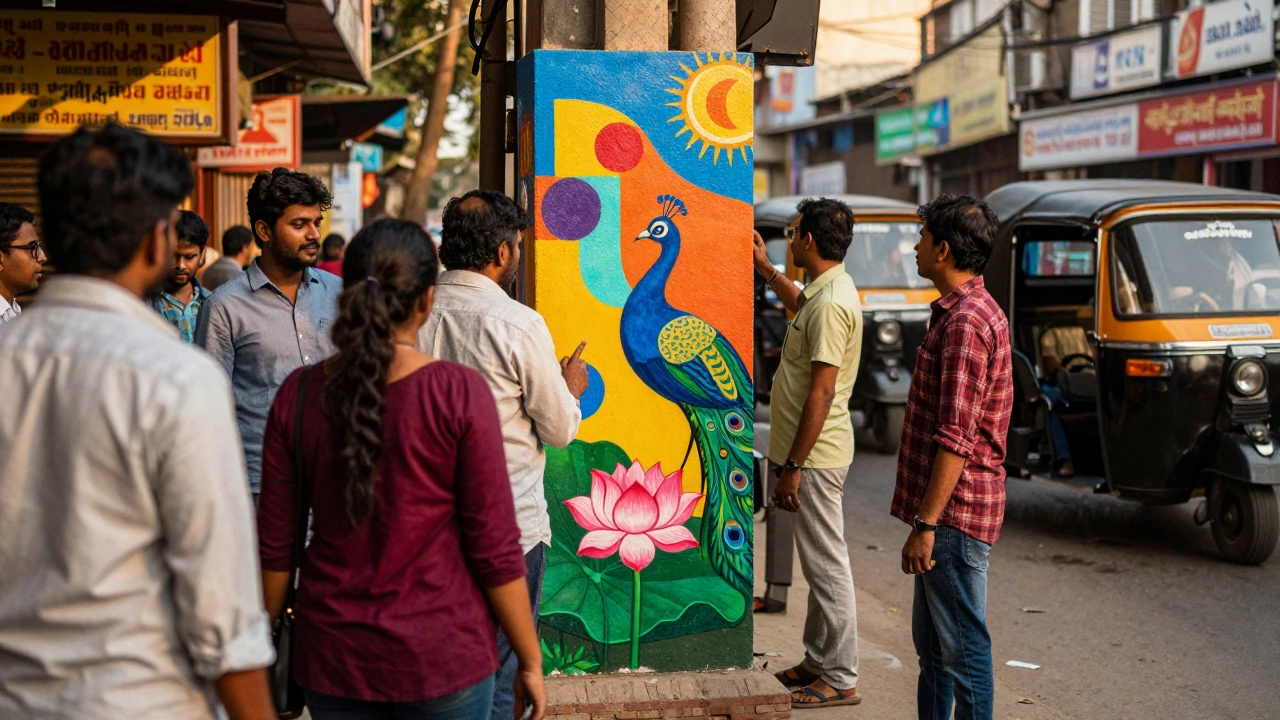
Finally, street art serves as a mirror for community identity. Neighborhoods often lack a unified voice. Street artists, especially those who engage with locals through workshops or commissioned murals, help define what a place means.
In many Australian suburbs, large-scale murals depict local flora, fauna, or historical figures unique to that area. This fosters pride and ownership. Residents begin to see their neighborhood not just as a place to sleep, but as a place with a soul. It encourages dialogue among neighbors. "Who painted that?" "What does that symbol mean?" These small interactions build social fabric. The goal is cohesion-turning a collection of houses into a community.
From Vandalism to Value: The Commercial Tension
We cannot discuss the goals of street art without addressing the tension with commerce. As street art gained legitimacy, it entered the auction house. Pieces by Jean-Michel Basquiat and Keith Haring sell for tens of millions. This creates a paradox. If the goal is anti-establishment and democratic, how does it fit into the ultra-exclusive world of high finance?
Many purists argue that commercialization dilutes the message. When a brand commissions a mural, is it still street art, or is it just outdoor advertising? The ultimate goal remains contested here. Some artists embrace the money to fund larger projects; others reject it to maintain integrity. This tension keeps the movement alive, forcing constant self-reflection on what art is for.
Is all street art considered illegal?
No. While unauthorized tagging is illegal in most jurisdictions, many cities now have designated legal walls or commission artists for large-scale murals. Sydney, for example, has specific laneways like Hosier Lane (in Melbourne) or various spots in Newtown where street art is tolerated or encouraged as part of the city's cultural strategy.
How does street art differ from graffiti?
Graffiti typically focuses on stylized lettering, tags, and signatures, often rooted in hip-hop culture and crew affiliations. Street art is broader, encompassing stencils, wheatpaste posters, installations, and murals that usually convey a specific image or message rather than just text. However, the lines often blur, and many artists practice both.
Can street art increase property values?
Yes, a phenomenon known as the "Banksy Effect." High-quality street art can attract tourism and foot traffic, leading to increased demand for nearby businesses and housing. However, this can also lead to gentrification, displacing the very communities the art may have celebrated, which is a major ethical concern for many artists.
Why do some street artists remain anonymous?
Anonymity protects artists from legal repercussions if they create unauthorized work. It also shifts the focus from the personality of the artist to the message of the art. For figures like Banksy, anonymity adds a layer of mystery and mythos that enhances the cultural impact of their work.
What is the future of street art in the digital age?
Digital technology is expanding street art's reach. Augmented Reality (AR) allows artists to overlay digital animations onto physical walls, viewable through smartphones. NFTs (Non-Fungible Tokens) have also created new markets for digital street art. However, the core goal of physical, communal experience remains central to the medium's appeal.