Portrait Element Analyzer
Analyze Your Portrait
Narrative Impact
When you think of a portrait, what comes to mind? A face? Shoulders? Maybe just the head and neck? For centuries, that’s been the default. But here’s the thing: full body portrait isn’t just allowed in art-it’s been a powerful, intentional choice by artists for hundreds of years. If you’ve ever wondered whether a portrait can include the whole body, the answer is yes. And it’s not just a technical extension of a portrait-it changes everything about how the person is seen, understood, and remembered.
What Exactly Is a Portrait?
Before we go further, let’s clear up a common misunderstanding. A portrait isn’t just a picture of someone’s face. It’s a representation of a person that captures their identity, presence, or character. That identity isn’t only in the eyes or the smile. It’s in the posture, the way they stand, the clothes they wear, the space they occupy. A full body portrait includes all of that. It’s not a headshot with legs added. It’s a complete statement. Think of it this way: if you’re trying to show someone’s confidence, their role in society, or even their emotional state, their whole body tells the story. A slumped shoulder, crossed arms, a raised chin-these aren’t just details. They’re part of the portrait’s message.Historical Roots of Full Body Portraits
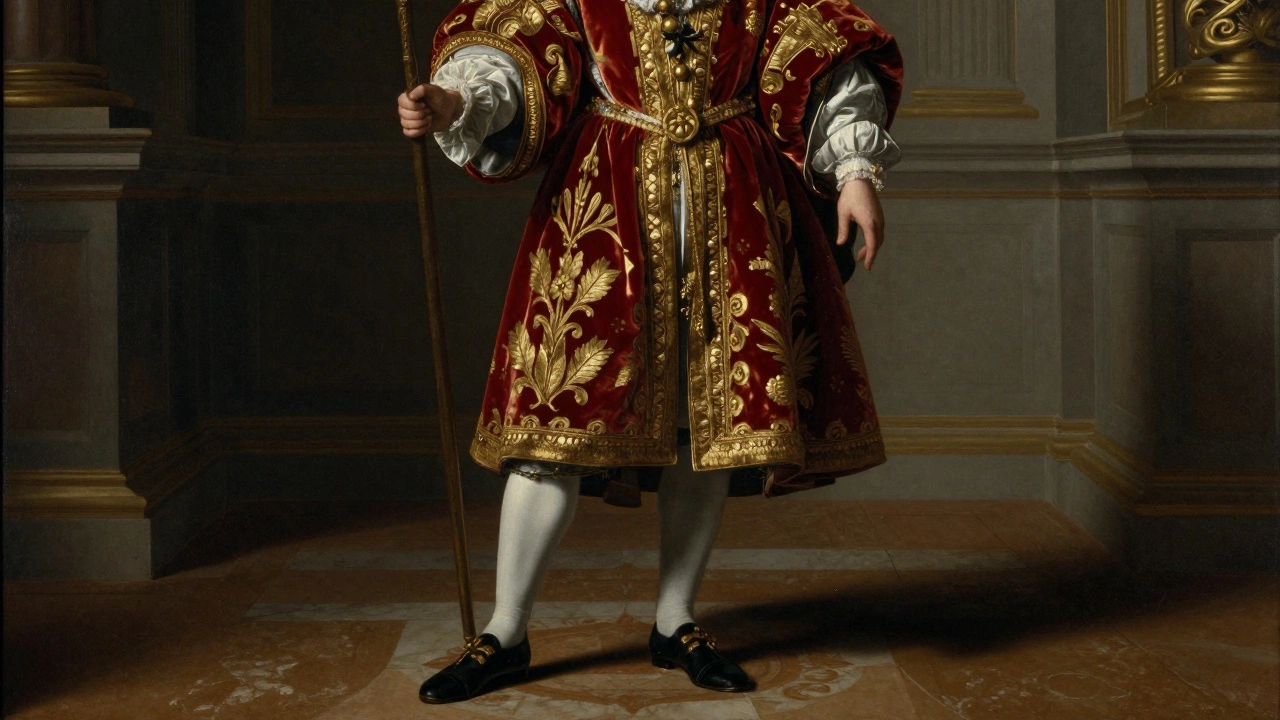
Full body portraits aren’t new. In fact, they were the norm in European court art from the 1500s through the 1800s. Kings, queens, generals, and wealthy merchants didn’t sit for half-body paintings. They sat for full body portraits to show power, status, and control over space. A monarch standing tall in a velvet robe with a scepter, feet planted firmly on the ground-this wasn’t just art. It was political messaging. Jean-Antoine Watteau’s Mezzetin (1718) shows a lone musician in a full body pose, conveying melancholy through posture alone. In America, Gilbert Stuart painted George Washington in full body in 1797, not just to show his face, but to present him as a leader-balanced, grounded, commanding. These weren’t accidents. Artists chose full body because it carried more weight. Even in the 19th century, when photography took over, full body portraits remained popular. Early photographers like Mathew Brady captured soldiers, politicians, and everyday people standing full frame. Why? Because the body told the story the face couldn’t.Why Artists Choose Full Body Over Close-Ups
So why would a modern artist pick a full body portrait instead of a tight headshot? Three reasons: context, movement, and identity. First, context. A person standing in a kitchen, sitting on a park bench, or leaning against a wall says something about their life. That setting isn’t background-it’s part of who they are. A full body portrait lets you see the environment that shapes them. Second, movement and posture. A person’s stance reveals tension, relaxation, readiness, or defeat. A dancer’s pose, a worker’s stance, a child mid-run-these are all portraits. The body is the expression. A face might smile, but the body tells you if that smile is forced or genuine. Third, identity beyond the face. Clothing, accessories, shoes, even how someone holds their hands-these are cultural and personal markers. A full body portrait captures the uniform of a soldier, the lace of a bride, the worn boots of a farmer. These details are lost in a close-up.
Full Body Portrait vs. Figure Painting: What’s the Difference?
People often confuse full body portraits with figure paintings. They look similar, but they’re not the same. A figure painting focuses on the human form as an artistic subject-muscle, proportion, anatomy, light on skin. It’s about the body as an object of beauty or study. Think of Michelangelo’s nudes or Egon Schiele’s raw, twisted figures. The person might be unnamed, symbolic, or anonymous. A full body portrait is always about a specific person. It’s named. It’s documented. It’s personal. Even if the background is abstract or minimal, the intent is to capture that individual-their presence, their story. The difference is intention. One is about form. The other is about identity.Modern Examples of Full Body Portraits
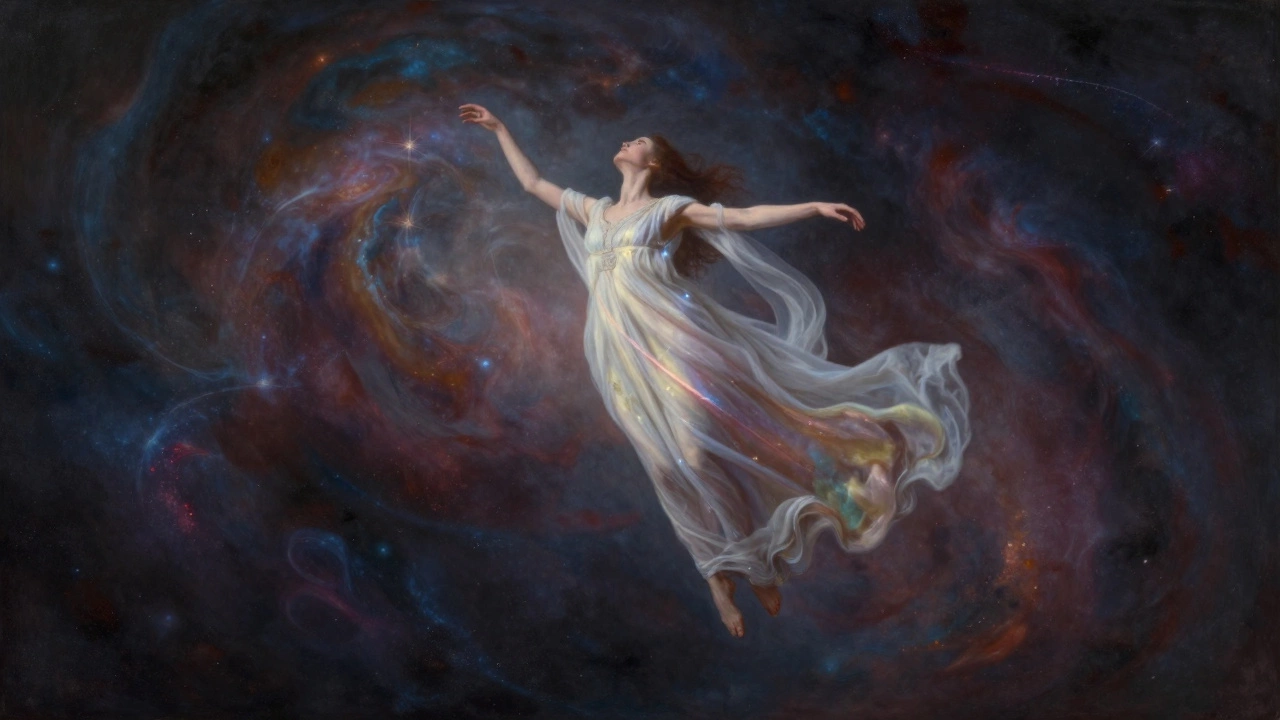
Today, artists still use full body portraits to make bold statements. Kerry James Marshall’s paintings of Black figures in everyday settings-standing in a laundromat, walking down a street-are full body portraits that reclaim space and dignity. Each figure is rendered with precision, not just as a person, but as a presence in a world that often ignores them. In photography, Cindy Sherman’s Untitled Film Stills are full body portraits of fictional characters. She’s not just posing-she’s constructing identity through posture, costume, and setting. Each image is a portrait of a role, not just a person. Even in digital art, artists like James Jean paint full body portraits that blend realism with surrealism, showing figures suspended in impossible spaces, yet still deeply human.Practical Tips for Creating Full Body Portraits
If you’re an artist trying your hand at a full body portrait, here’s what actually works:- Start with posture. Where is the weight? Is the person leaning? Standing tall? One foot forward? Posture tells you everything before you even paint the face.
- Include at least one meaningful prop or setting. A cane, a book, a doorframe, a chair-these anchor the person in a world.
- Don’t make the face the only focus. If you paint the face in extreme detail but leave the rest loose, the portrait feels unbalanced. The whole body needs attention.
- Use lighting to shape the body. Side lighting reveals muscle and shape. Soft light can hide flaws and emphasize emotion.
- Consider scale. A full body portrait on a large canvas feels more imposing. A small one feels intimate. Choose based on the feeling you want to create.
Common Misconceptions
There are three myths about full body portraits that keep people from trying them:- “It’s harder than a headshot.” Not necessarily. You’re painting more space, but you’re not painting more detail. The face is only one part. The body is often easier to simplify.
- “It’s not a real portrait unless the face is clear.” False. Many famous portraits-like Velázquez’s Las Meninas-have figures whose faces are turned away or partially hidden. The portrait is still there.
- “Only professionals can do it.” Anyone can start with a simple standing pose in natural light. Sketch the outline, block in shadows, add one detail. Progress comes from doing, not waiting for perfection.
When Full Body Portraits Don’t Work
There are times when a full body portrait feels forced. If the person is uncomfortable standing still, if the setting is cluttered and distracting, or if the artist doesn’t understand body language, the result can feel awkward or empty. The key is intention. Don’t include the full body just because you can. Include it because it adds meaning. If the story is in the eyes, then a close-up is better. If the story is in the way they carry themselves, then go full body.Final Thought: It’s Not About Rules
Art doesn’t have hard rules. A portrait is defined by its purpose, not its frame. If you want to show someone’s presence in the world, their dignity, their history, their movement-then the full body isn’t just allowed. It’s necessary. The next time you see a full body portrait, don’t ask, “Is this still a portrait?” Ask instead: “What does this person’s whole body tell me that their face alone never could?”Can a portrait include only the lower body?
Yes, but it’s rare and usually symbolic. A portrait showing only legs and feet-like in some modern works by artists such as Francis Bacon-can imply movement, confinement, or anonymity. It’s not traditional, but it still qualifies as a portrait if it’s meant to represent a specific person’s identity or state of being.
Do all portraits need to show the face?
No. Many portraits throughout history have omitted the face entirely. Think of Rembrandt’s self-portrait where he’s turned away, or August Sander’s photograph of a farmer with his back to the camera. The identity is still clear through clothing, posture, and context. The face isn’t required-the person’s presence is.
Is a full body portrait the same as a fashion photo?
Not necessarily. Fashion photography often focuses on clothing, trends, or styling. A full body portrait focuses on the person. A fashion shot might show a model in a dress; a full body portrait shows who that person is while wearing the dress. The intent makes the difference.
Can digital art count as a full body portrait?
Absolutely. Digital tools like Procreate, Photoshop, or Blender are just new brushes. Artists like James Jean and Loish create full body portraits digitally that carry the same emotional weight as oil paintings. The medium doesn’t change the purpose.
Why do some galleries avoid full body portraits?
It’s not about avoiding them-it’s about space and focus. Galleries often prefer headshots because they’re easier to hang, light, and view from a distance. But major museums like the Met and the Tate have entire rooms dedicated to full body portraits. It’s a matter of curation, not validity.