Art Style Classifier
Art Style Classification Tool
This tool helps you determine whether an art piece is more aligned with classic or contemporary art based on key characteristics described in the article.
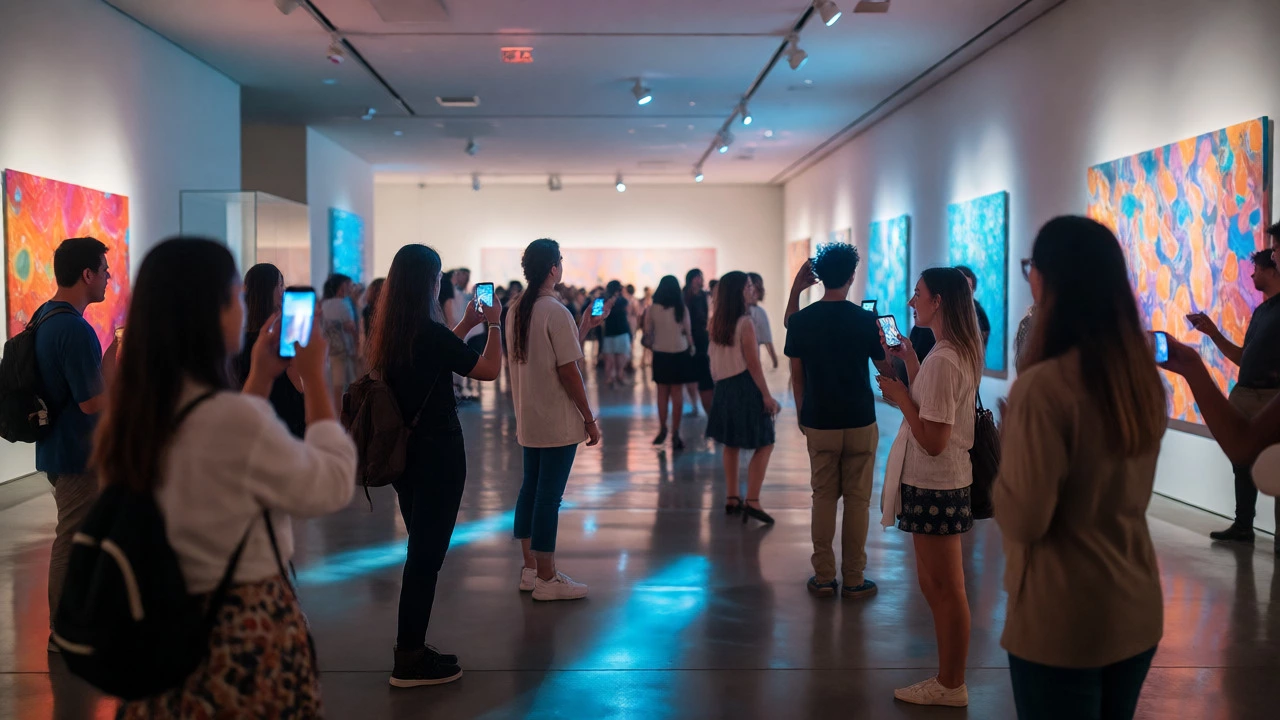
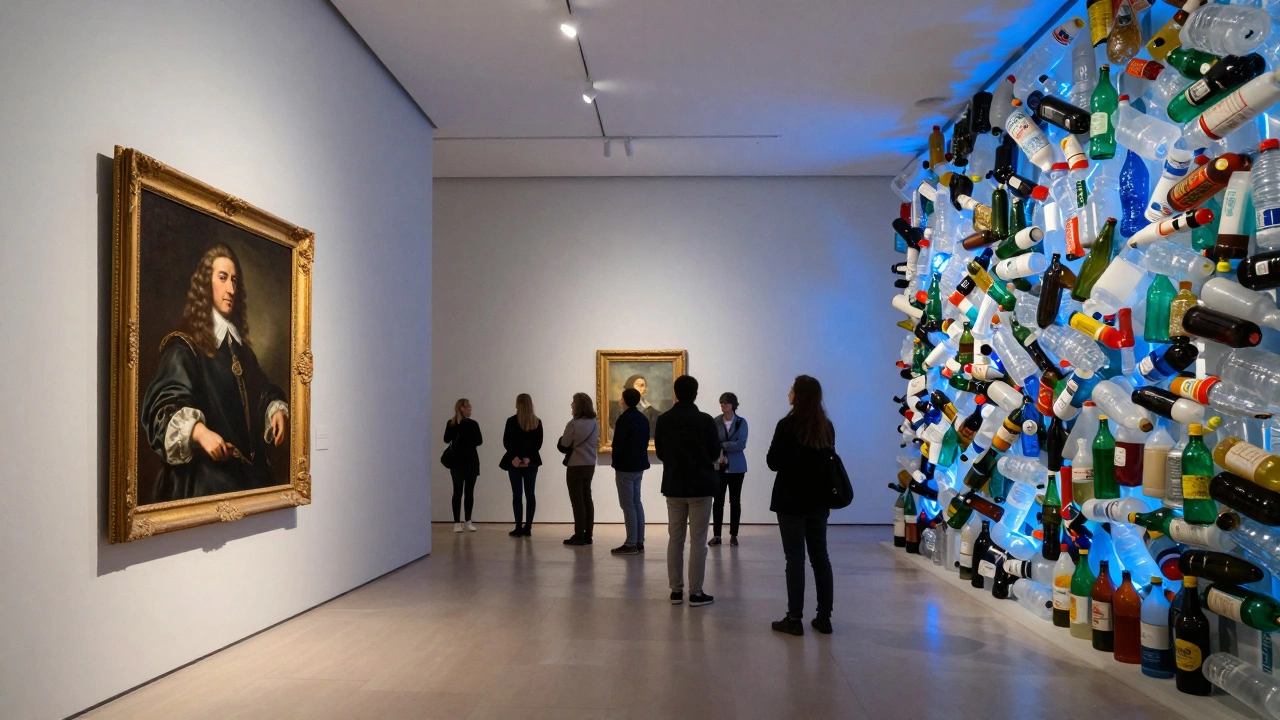
Walk into any major art gallery in Sydney, and you will likely see a stark contrast hanging side by side. On one wall, a serene portrait from the 17th century captures a nobleman with perfect symmetry. On the other, a chaotic installation made of recycled plastic challenges your view of consumerism. This visual clash often leaves visitors wondering: what actually separates these styles? Understanding the gap between classic and contemporary approaches helps you appreciate the evolution of human expression.
Many people use these terms interchangeably, but they represent distinct eras, philosophies, and techniques. When you look at a painting, you are not just seeing colors on canvas; you are witnessing a specific moment in time and a specific set of rules that the artist followed. Knowing these rules changes how you view the work entirely.
Defining Classic Art: Tradition and Technique
Classic Art is artwork created during established historical periods that prioritized technical skill, realism, and adherence to traditional conventions. Also known as Traditional Art, it generally refers to works from antiquity through the 19th century. This style focuses on beauty, harmony, and proportion. The goal was often to depict the world as it appeared to the eye, or as mythology described it.
When we talk about classic art, we are usually referencing movements like the Renaissance or the Baroque. During the Renaissance, artists studied anatomy and perspective to create lifelike figures. Think of Michelangelo or Da Vinci. Their work was commissioned by the church or wealthy patrons who wanted to be remembered. The subject matter was often religious, mythological, or portraits of the elite.
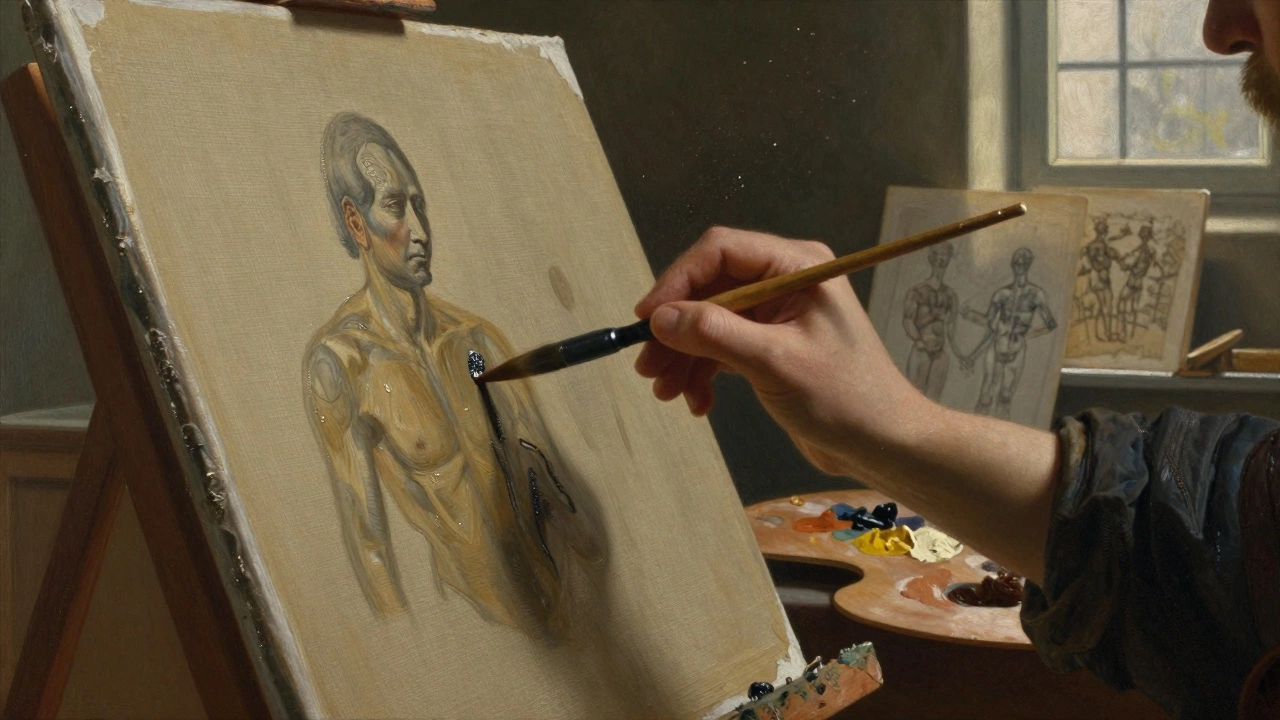
Technique was king in this era. An artist spent years mastering the control of a brush. They used Oil Painting to create depth and texture that could last centuries. The composition followed strict mathematical rules, like the Golden Ratio, to ensure the viewer's eye moved smoothly across the piece. There was little room for abstraction. If you painted a tree, it looked like a real tree.
Preservation was also a major concern. Classic artists used materials known to survive. Linen canvas, lead-based pigments, and wooden frames were standard. The intent was immortality. They wanted their work to be seen by future generations exactly as they created it. This focus on permanence shaped the way museums display these works today, often under controlled lighting and climate conditions.
Understanding Contemporary Art: Concept and Context
Contemporary Art is art produced from the late 20th century to the present day that prioritizes ideas, current issues, and diverse media over traditional technique. Also known as Modern Art in casual conversation, it encompasses everything created after the 1970s. Unlike classic art, there is no single style. It is defined by its time period and its engagement with the current world.
Contemporary art asks questions rather than providing answers. It might challenge political systems, explore identity, or comment on technology. The artist's intent is often more important than the visual beauty. You might see a pile of bricks in a gallery and wonder if it is art. If the artist explains the concept behind the bricks, it becomes a piece of Conceptual Art.
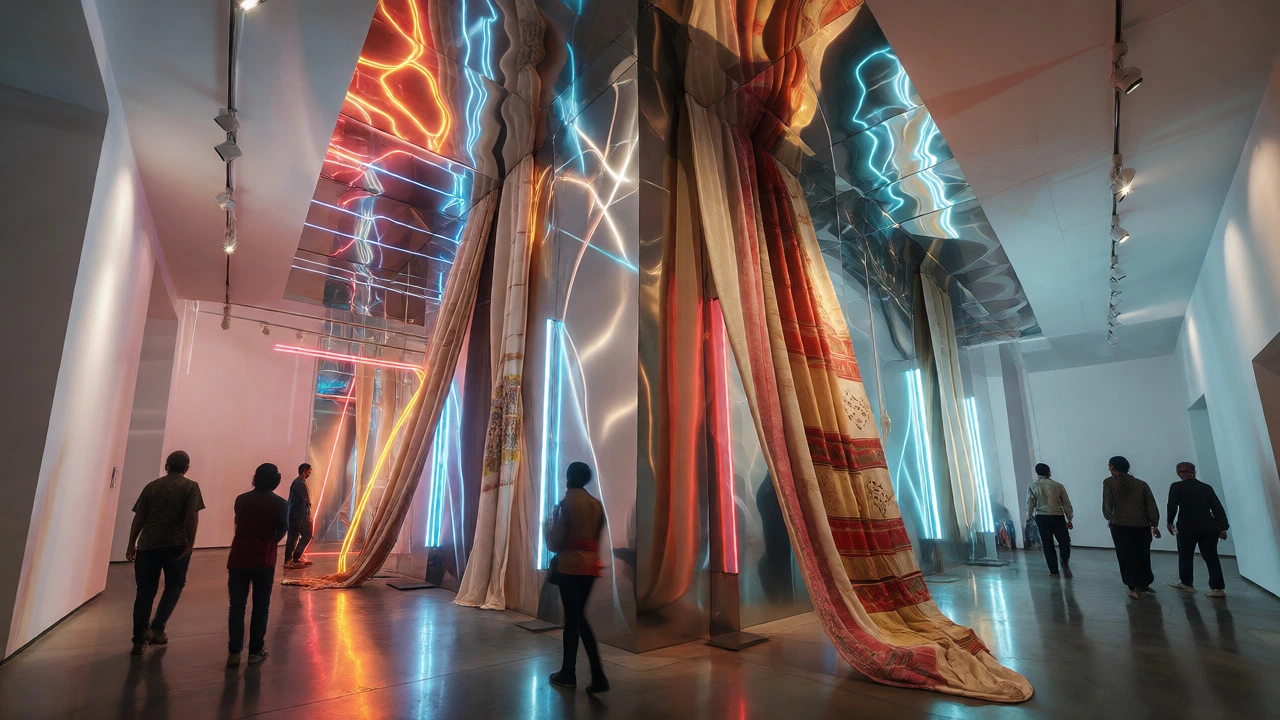
Materials have exploded in this era. While oil paint is still used, it competes with video, Digital Media, performance, and found objects. An artist might use trash from the street to make a Installation Art piece. The boundaries of what can be used are limitless. This shift allows artists to react quickly to current events, something classic artists could not do due to the slow nature of their mediums.
The role of the viewer has also changed. In classic art, you were a passive observer admiring a finished product. In contemporary art, you are often part of the experience. You might walk through a sculpture, interact with a screen, or be asked to complete the work. This engagement makes the experience personal and often emotional. It is not just about looking; it is about feeling and thinking.
Key Visual and Philosophical Differences
To truly grasp the distinction, we need to look at specific attributes. The following table breaks down the core differences between the two styles based on technique, subject, and purpose.
| Attribute | Classic Art | Contemporary Art |
|---|---|---|
| Time Period | Antiquity to 19th Century | 1970s to Present (2026) |
| Primary Focus | Technique and Realism | Concept and Idea |
| Materials | Oil, Canvas, Marble, Bronze | Video, Plastic, Digital, Found Objects |
| Subject Matter | Religion, Mythology, Portraits | Politics, Identity, Technology |
| Viewer Role | Passive Observer | Active Participant |
One of the most obvious differences is the approach to representation. Classic art strives for accuracy. If a hand looks wrong, the artist considers it a failure. Contemporary art often embraces distortion. A face might be painted with three eyes to symbolize a psychological state. This shift happened largely during the transition from Modern Art to contemporary practice. Artists realized that photography could capture reality better than paint, so they stopped trying to compete with the camera.
Another key difference is the commercial aspect. Classic art was often made for a specific patron. You painted what the Duke wanted. Contemporary art is often made for the open market or for public display. Artists like Banksy or Ai Weiwei create work that enters the public discourse immediately. This changes how the art is valued. A classic painting is valued for its age and condition. A contemporary piece is valued for its cultural relevance and the artist's reputation.
Historical Context and Evolution
The shift from classic to contemporary did not happen overnight. It was a gradual process driven by technology and philosophy. In the 19th century, the invention of photography changed everything. Why paint a realistic portrait when a camera can do it in seconds? Artists began to explore what cameras could not do: emotion, abstraction, and the inner self.
By the mid-20th century, Modern Art movements like Cubism and Surrealism broke the rules of perspective. They showed that the world could be viewed from multiple angles at once. This paved the way for the total freedom seen today. By the 1970s, the definition of art expanded to include performance and land art. The physical object became less important than the action or the idea.
Today, in 2026, we see the influence of technology deeply embedded in the style. Digital tools allow for art that exists only on a screen. Digital Media creates pieces that can be replicated infinitely without loss of quality. This challenges the classic idea of the "original" masterpiece. If there is no original, how do we value the work? This is a question that classic artists never had to face.
The art world also reflects global changes. Classic art was largely Eurocentric, focusing on Western history and religion. Contemporary art is global. It includes voices from Asia, Africa, and South America that were previously marginalized. This diversity enriches the style, bringing new techniques and stories into the mix. It makes the Contemporary Art scene much more dynamic than the rigid structures of the past.
Practical Application: Collecting and Decorating
Understanding these differences helps when you decide to buy art for your home. If you want a piece that will likely hold its value over centuries, classic art is the traditional choice. However, these pieces are often expensive and require careful preservation. You need to control humidity and light to prevent damage to the oil paint or canvas.
Contemporary art offers more flexibility. You can find pieces that fit a modern interior design scheme. A bold, colorful print might brighten a living room better than a dark, somber portrait. Plus, contemporary artists are often still alive. You can meet them, understand their process, and build a relationship. This adds a personal layer to ownership that is missing with a 300-year-old painting.
When visiting an Art Gallery, look for the labels. They will tell you the date and the medium. If the date is before 1900, you are looking at classic or modernist work. If it is recent, check the description for the concept. Does it explain why the artist made it? If yes, it is likely contemporary. This simple check helps you navigate the space without confusion.
Some collectors mix both styles. A classic frame with a contemporary print inside can create an interesting tension. It shows that you appreciate history but also value the new. The key is balance. Do not let one style overwhelm the other. Ensure the lighting and spacing work for both types of objects. Classic art often needs softer light, while digital or mixed media might need specific power sources.

Frequently Asked Questions
Is contemporary art just modern art?
No, they are different terms. Modern art generally refers to the period from the 1860s to the 1970s. Contemporary art refers to art made from the 1970s to the present day. While they share some characteristics, contemporary art is defined by the current time period and often uses newer technologies.
Why is contemporary art sometimes so abstract?
Abstract art allows the viewer to interpret the work based on their own feelings. In contemporary practice, the idea behind the work is often more important than the visual representation. Artists use abstraction to express complex emotions or concepts that realistic images cannot capture.
Can classic art be considered contemporary?
No, classic art refers to historical periods. A painting from the 1600s is classic. However, a contemporary artist might use classic techniques to make a new statement. The time of creation determines the classification, not just the style.
How do I know if a piece is valuable?
Value depends on the artist's reputation, the condition of the work, and market demand. For classic art, provenance (history of ownership) is crucial. For contemporary art, the artist's current career trajectory and exhibition history play a larger role.
Does contemporary art require special care?
Yes, especially if it uses digital components or fragile materials. Some installations need electricity or specific climate control. Always check the artist's instructions for maintenance. Classic oil paintings also need care to prevent cracking or fading.
Final Thoughts on Style Evolution
Art is a conversation across time. When you stand before a classic masterpiece, you are listening to what people thought mattered 400 years ago. When you stand before a contemporary piece, you are hearing what matters right now. Both are valid, and both are necessary. One preserves our history; the other shapes our future.
Do not feel pressured to prefer one over the other. Your taste might lean towards the order of the past or the chaos of the present. That is okay. The goal is to understand the language being spoken. Once you know the difference between the styles, you can enjoy the conversation more deeply. Whether you visit a Museum or browse an online gallery, look for the story behind the brushstroke.