Gallery Commission Calculator
Calculate Your Earnings
Your Earnings Breakdown
A reputable gallery covers marketing, framing, insurance, and client relations - not just hanging your work. If a gallery asks for upfront fees, it's a scam.
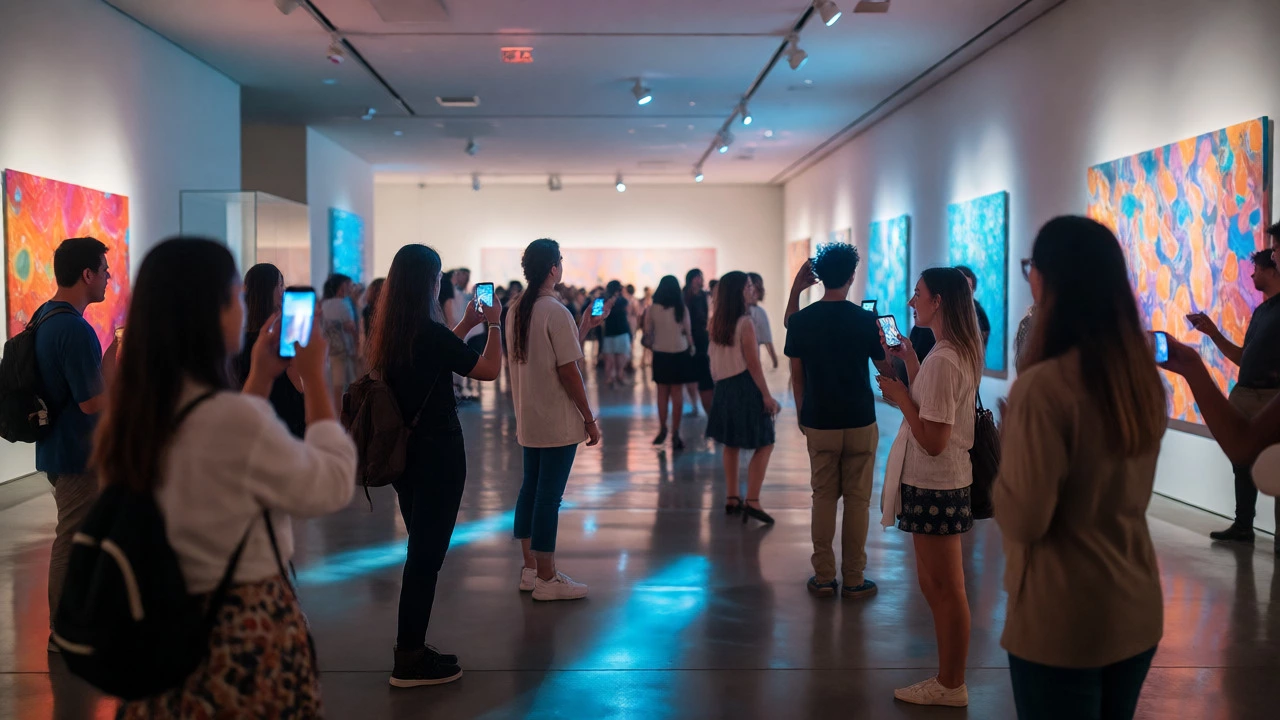
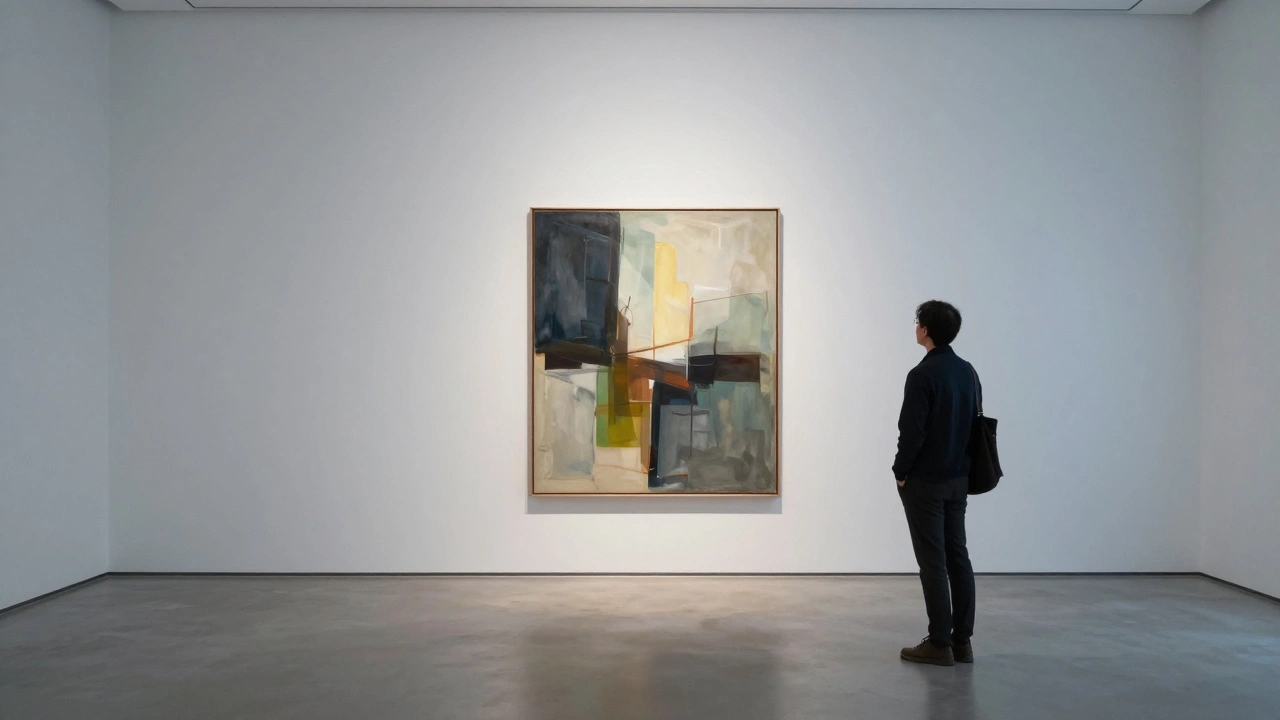
When you see a painting hanging in a sleek white gallery, it’s easy to assume the artist got paid right away-like a salary for showing up. But that’s not how it usually works. Most artists don’t get paid upfront just for letting their work hang on the wall. Instead, they get paid only if someone buys it. And even then, the gallery takes a cut.
How Galleries Make Money
Galleries aren’t charities. They’re businesses. They rent space, pay staff, run marketing campaigns, and host opening nights with wine and cheese. All of that costs money. So when a gallery agrees to represent an artist, they’re betting that the artwork will sell-and that they’ll make enough to cover their costs and turn a profit.
The standard arrangement is a 50/50 split. That means if a painting sells for $2,000, the artist gets $1,000 and the gallery keeps $1,000. But that’s not set in stone. Some galleries take 40%, others take 60%. It depends on the artist’s reputation, the gallery’s overhead, and how much support the gallery provides.
Top-tier galleries in New York, London, or Sydney might take 50% or more because they’re investing heavily in promotion-press releases, art fairs, collector dinners, museum connections. Smaller galleries in regional towns might take 40% because they’re doing less marketing but also have lower rent and fewer staff.
What Artists Actually Get Paid For
Artists aren’t paid to hang their work. They’re paid when it sells. That’s the rule in over 90% of commercial galleries. No sale? No payment. That’s why many artists have day jobs, teach classes, or sell prints online to keep the lights on.
There are rare exceptions. Some galleries offer a small monthly stipend to artists they’re heavily investing in-usually emerging artists with strong potential. This isn’t a salary. It’s an advance against future sales. If the work doesn’t sell within a year, the artist might have to pay it back, or the gallery might simply stop showing their work.
Another exception: institutional exhibitions. Public museums or government-funded spaces sometimes pay artists an exhibition fee. But that’s not a commercial gallery. That’s a different system entirely.
What’s Included in the Commission
When a gallery takes 50%, what exactly are they paying for? It’s not just hanging the art. Here’s what a good gallery typically covers:
- Marketing and promotion-social media posts, email newsletters, press kits, and features in art magazines.
- Physical setup-framing, lighting, wall mounts, insurance, and security.
- Client relations-showing the work to collectors, handling inquiries, negotiating sales, and managing logistics like shipping.
- Reputation building-being associated with a respected gallery can boost an artist’s credibility and open doors to bigger opportunities.
Some galleries even help artists apply for grants or residencies. That’s not common, but it happens with the more supportive ones.
What Artists Should Watch Out For
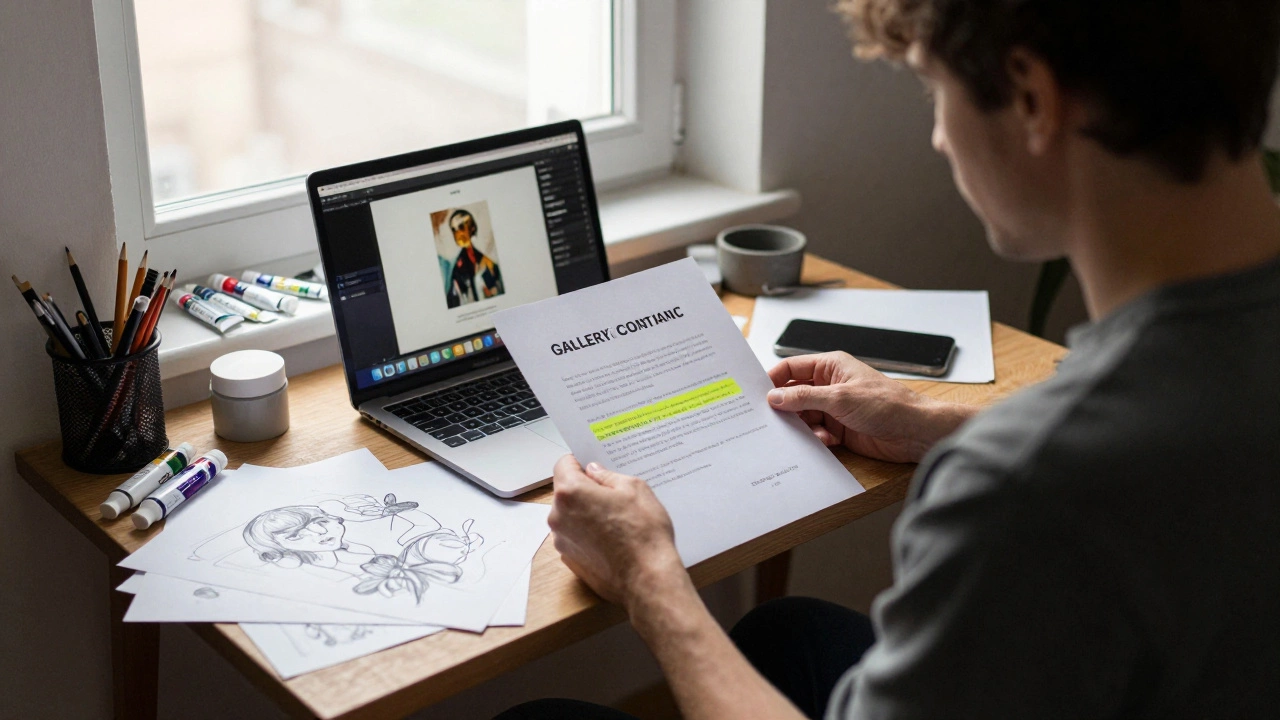
Not all galleries play fair. Here are the red flags to look out for:
- Upfront fees-if a gallery asks you to pay to be exhibited, it’s a scam. Legitimate galleries make money from sales, not from charging artists.
- Hidden costs-some galleries charge for framing, photography, or catalog printing. Always ask for a clear breakdown.
- Unclear commission structure-if they won’t tell you their commission rate in writing, walk away.
- Long-term exclusivity without support-if they want you to sign a two-year exclusive contract but haven’t sold anything in six months, they’re not doing their job.
Always get a written agreement. It doesn’t need to be a legal document from a lawyer, but it should clearly state: commission percentage, payment timeline, insurance responsibility, and how long the contract lasts.
How Artists Get Paid After a Sale
Once a piece sells, payment isn’t instant. Most galleries pay artists within 30 to 60 days after the sale. Why the delay? They need to collect payment from the buyer, process the transaction, and handle taxes or export fees if the buyer is overseas.
Some galleries pay via bank transfer. Others use PayPal or even checks. Always confirm how and when you’ll be paid before signing anything.
There’s also the issue of unsold work. If a piece doesn’t sell after six to twelve months, the gallery may return it to the artist. That’s normal. But if they hold onto it for years without communication, it’s time to ask for it back.
What Happens When the Gallery Closes
Art galleries go out of business all the time. When that happens, the artist’s work should be returned. But it doesn’t always happen that way. Some galleries disappear with the art. That’s why it’s crucial to keep records:
- Photographs of every piece you give them
- Written inventory with titles, sizes, and prices
- Proof of delivery (signed receipt or email confirmation)
If a gallery closes and doesn’t return your work, you may need to take legal action. It’s not fun, but it’s happened to hundreds of artists around the world.

Alternative Ways Artists Get Paid
Not every artist relies on galleries. Many now sell directly through:
- Online platforms-Etsy, Saatchi Art, Artsy, or their own websites. They keep 80-95% of the sale.
- Art fairs-they pay a booth fee, but sell directly to collectors. Profit margins can be higher than galleries.
- Commissions-private clients pay upfront for custom work. No middleman.
- Grants and residencies-non-profit organizations sometimes fund artists without taking a cut.
Some artists use a hybrid model: show in galleries for exposure, but sell directly online to keep more money.
Is It Worth It to Work With a Gallery?
Yes-if the gallery is good. A reputable gallery can open doors you can’t reach on your own. They connect you with collectors, museums, and other artists. They give you credibility. A single show in a respected gallery can change your career.
But if you’re just starting out, don’t assume a gallery will make you rich. Most artists earn very little from gallery sales in their first five years. The real value is in exposure, networking, and long-term growth.
Ask yourself: Are they actively promoting my work? Do they have real collectors? Have they sold anything from other artists in the last year? If the answer is no, you’re probably just decoration.
There’s no shame in selling your own work. Many of the most successful artists today never had gallery representation. They built their audience online, one sale at a time.
Final Thought: It’s a Partnership, Not a Paycheck
Galleries don’t pay artists like employees. They partner with them. The artist creates. The gallery connects. If the connection works, both benefit. If it doesn’t, it’s time to move on.
Don’t wait for a gallery to validate your work. Your value isn’t tied to their walls. But if you find a gallery that believes in you-and actually works for you-then yes, you’ll get paid. Just not until someone loves your art enough to buy it.
Do galleries pay artists upfront for showing their work?
No, legitimate galleries do not pay artists upfront just to display their work. They earn money only when artwork sells, typically taking a 40-60% commission. Any gallery asking for payment from the artist to exhibit is a scam.
How much do galleries usually take from art sales?
The standard commission is 50%, but it can range from 40% to 60%. Higher-end galleries in major cities often take 50-60% because they invest more in marketing, events, and collector outreach. Smaller galleries may take 40% if they have lower operating costs.
How long after a sale do artists get paid?
Most galleries pay artists within 30 to 60 days after the sale is completed. This allows time for the buyer to pay, for the gallery to process the transaction, and to handle any taxes or shipping fees. Always confirm the payment timeline in writing before agreeing to exhibit.
Can artists sell their own work while represented by a gallery?
It depends on the contract. Many galleries require exclusivity for a certain period, meaning the artist can’t sell the same pieces elsewhere. Others allow direct sales as long as they’re not competing with the gallery’s current exhibitions. Always read the agreement carefully and ask for clarification.
What should artists do if a gallery closes and won’t return their work?
Artists should have a signed inventory list with photos and delivery receipts. If a gallery closes and doesn’t return work, the artist can send a formal request for return. If ignored, legal action may be necessary. Many artists lose work this way, so documentation is critical.