Sculpture Value Estimator
This tool provides a rough baseline estimate based on general market trends described in our guide. It is not a professional appraisal.
Estimated Market Baseline
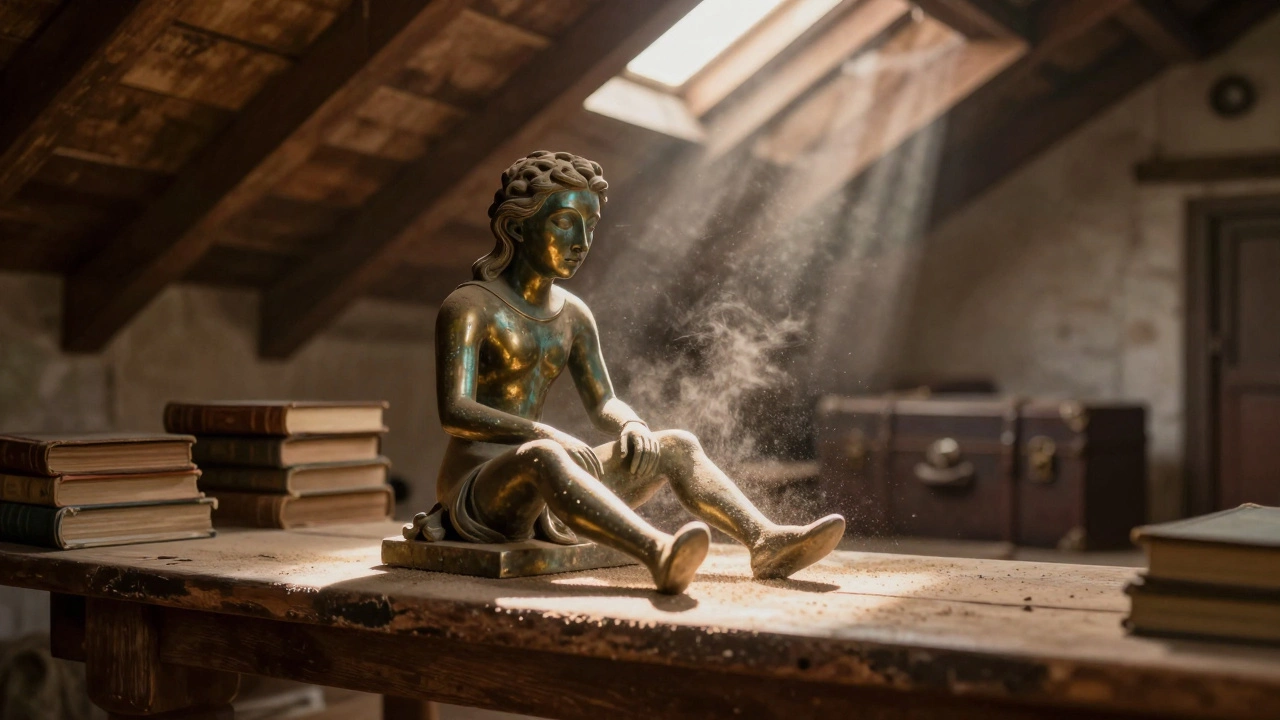
You found a dusty bronze figure in your attic, or maybe you inherited a marble bust from an aunt who passed away last year. It sits on the shelf, gathering dust, and you can’t help but wonder: is this just heavy paperweight, or is it actually valuable? The question "is my sculpture worth anything" haunts collectors, heirs, and casual finders alike. The short answer is that most sculptures have some monetary value, but very few are worth life-changing sums. The real challenge lies in distinguishing between decorative junk and genuine artistic assets.
Valuing art isn't like checking the price of a laptop online. There is no universal database where you type in a title and get a number. Instead, value is determined by a complex mix of provenance, condition, material, and market demand. If you want to know if your piece has legs, you need to look beyond its aesthetic appeal and dig into the facts. Let’s break down how to assess your sculpture without spending hundreds on a professional appraisal right away.
The Artist: The Biggest Driver of Value
The single most important factor in determining sculpture value is the reputation and market history of the creator. If the artist is well-known, their work will likely have a documented sales history. You can search auction databases like Artnet or LiveAuctioneers to see what similar pieces sold for recently. Look for the "hammer price," which is what the buyer paid before fees. If you see a consistent pattern of sales at high prices, your piece might be valuable.
However, many people fall into the trap of assuming that because an artist is famous, every piece they made is expensive. This isn't true. Editions matter immensely. A limited edition bronze cast signed by the artist is worth far more than an unsigned studio replica. For example, a Rodin original cast is priceless, but a mass-produced plaster copy from the mid-20th century might only fetch a few hundred dollars. Always check if the piece is part of a limited series (e.g., 1/50) and if it bears the artist's signature or stamp.
- Famous Artist: Check auction records for recent sales of similar works.
- Unknown Artist: Value depends heavily on materials, craftsmanship, and style.
- Editioned Work: Lower numbers in the edition usually command higher prices.
Material Matters: Bronze vs. Plaster vs. Resin
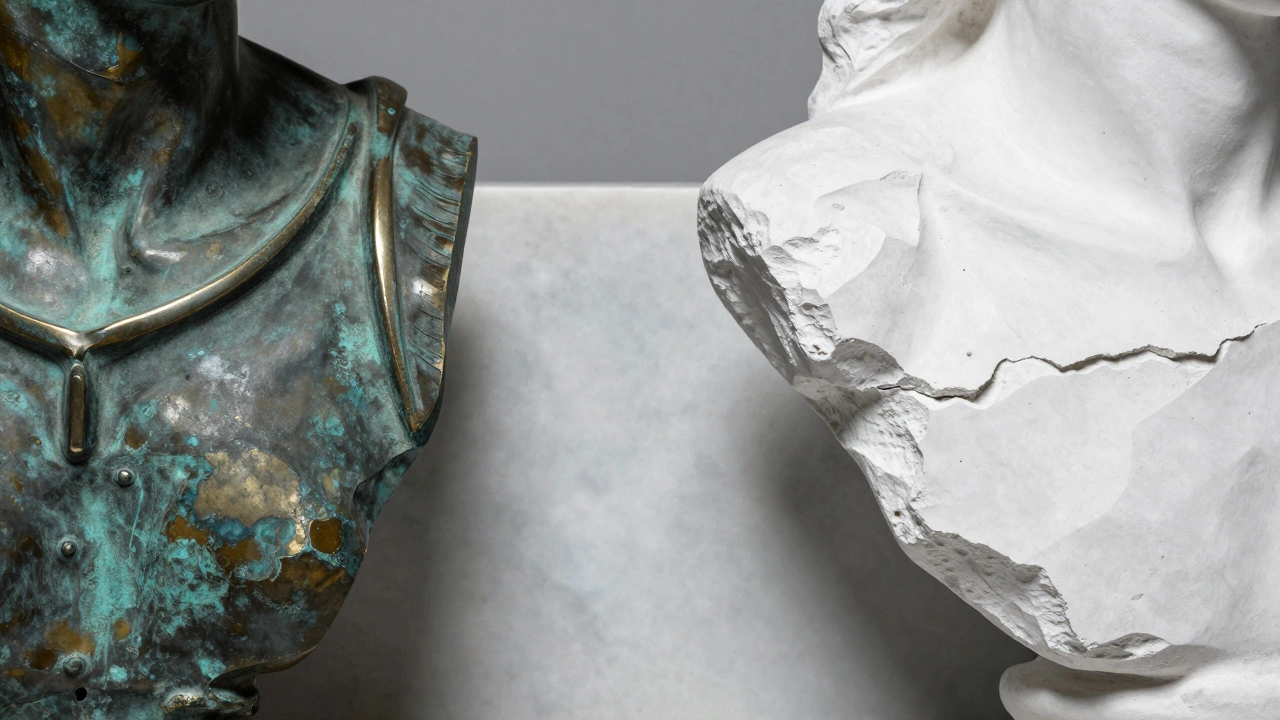
The substance the sculpture is made from plays a huge role in its durability and desirability. Collectors generally prefer durable materials that age well. Bronze is the gold standard for outdoor and indoor sculptures because it develops a patina that adds character over time. Marble and stone are also highly valued, though they are fragile and difficult to transport. On the other end of the spectrum, you have plaster, resin, and polymer clay. These materials are often used for maquettes (small preliminary models) or mass-market reproductions.
| Material | Durability | Typical Value Range | Collector Demand |
|---|---|---|---|
| Bronze | High | $500 - $100,000+ | Very High |
| Marble/Stone | Medium (Fragile) | $1,000 - $500,000+ | High |
| Wood | Medium | $100 - $10,000 | Moderate |
| Plaster | Low | $50 - $500 | Low (unless by major master) |
| Resin/Polymer | Low | $20 - $300 | Low |
If your sculpture is made of resin or cheap plaster, it’s likely a decorative item rather than an investment piece. However, don't dismiss it entirely. Some modern artists use unconventional materials intentionally. Context is key. A resin sculpture by a renowned contemporary artist like Jeff Koons or Takashi Murakami can sell for millions, simply because the brand name carries the weight, not the material itself.
Provenance: The Paper Trail of Ownership
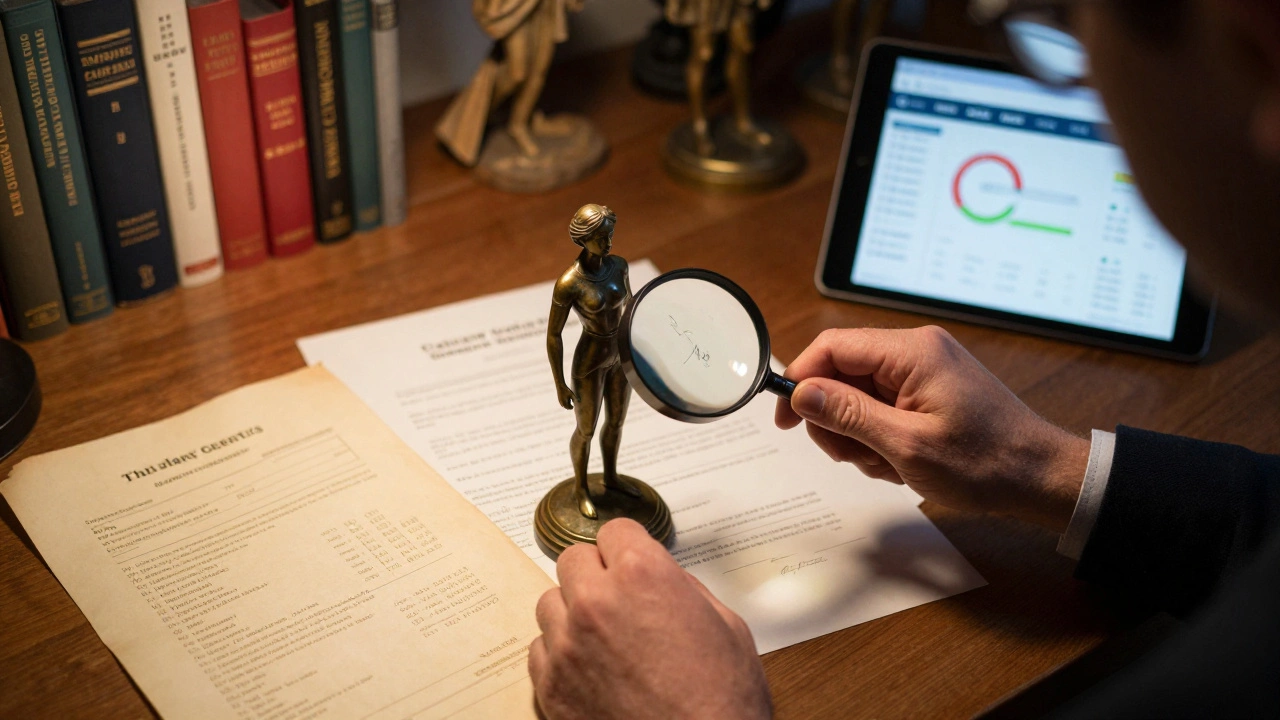
In the art world, provenance is everything. It refers to the recorded history of ownership of a piece of art. Why does this matter? Because it proves authenticity. Without a clear chain of custody, buyers are wary of forgeries. If you inherited the sculpture, do you have any documents? Old receipts, gallery certificates, exhibition labels, or even a letter from the artist can significantly boost the value.
Imagine finding a small wooden carving. If you have a receipt showing it was bought from the artist’s studio in 1960, that’s strong evidence. If you found it at a garage sale with no history, it’s much harder to prove it’s genuine. Galleries and auction houses require solid provenance before they’ll list a piece. If you’re missing paperwork, try to research previous owners. Did the family live near the artist? Did they attend art fairs? Every clue helps build the story.
Condition: Damage Can Kill Value
Even a sculpture by a famous artist loses significant value if it’s damaged. Cracks, chips, missing limbs, or severe discoloration can reduce the price by 50% or more. Unlike paintings, which can sometimes be restored invisibly, sculptures are three-dimensional. A crack in a bronze arm is obvious and hard to fix perfectly. Restoration should only be done by a professional conservator, and even then, the value might not return to pre-damage levels.
Before you try to clean your sculpture, stop. Many people ruin valuable pieces by using harsh chemicals or abrasive sponges. Bronze needs gentle cleaning with specific solutions to preserve its patina. Marble can be etched by acidic cleaners. If you’re unsure, take photos and consult a conservator first. A dirty sculpture is still valuable; a ruined one is not.
How to Get a Real Estimate
So, how do you move from guessing to knowing? There are three main paths, each with different costs and benefits.
- Online Auction Research: This is free and effective for well-known artists. Search sites like eBay (sold listings), LiveAuctioneers, and Invaluable. Look for identical or very similar pieces. Note the final sale price, not the asking price. This gives you a realistic market baseline.
- Galleries and Dealers: Visit local galleries that specialize in the type of art you have. They won’t give you a formal appraisal for free, but they can tell you if they’d buy it. If they say yes, you have a concrete offer. If they say no, it’s likely not commercially viable in the current market.
- Professional Appraisers: For high-value items or insurance purposes, hire a certified appraiser. Look for members of the American Society of Appraisers (ASA) or the International Society of Appraisers (ISA). Be warned: they charge hourly rates, often $100-$300 per hour. Don’t do this unless you suspect the piece is worth thousands.
Avoid "appraisers" who ask for a percentage of the sale price. This is a red flag for scams. Legitimate appraisers charge a flat fee or hourly rate, regardless of the outcome.
Selling Your Sculpture: Options and Strategies
Once you’ve established a rough value, you need to decide how to sell. If it’s a low-value decorative piece, online marketplaces like Etsy, eBay, or Facebook Marketplace are your best bet. You keep most of the profit, but you handle shipping and customer service. Shipping sculptures is tricky and expensive due to their weight and fragility. Factor this into your pricing.
For mid-range items ($500-$5,000), consider consignment with a local gallery or a specialized online platform like Artsy or Saatchi Art. They take a commission (usually 30-50%), but they provide marketing and credibility. For high-end pieces, auction houses like Sotheby’s or Christie’s are the route, but they have strict entry criteria and high fees.
Can I get a free appraisal for my sculpture?
True professional appraisals are rarely free because they require expertise and liability. However, you can get informal opinions for free from local galleries, art students, or online communities. TV shows like "Antiques Roadshow" offer free estimates, but these are often outdated quickly and shouldn't be used for insurance or tax purposes.
Does the size of the sculpture affect its value?
Size alone doesn't determine value, but it affects marketability. Large sculptures are harder to ship and display, which can limit the buyer pool. Small, desktop-sized pieces are often easier to sell online. However, monumental works by famous artists can command premium prices despite their size.
What if my sculpture has no signature?
An unsigned sculpture is harder to value but not worthless. Experts may identify the artist based on style, technique, and markings on the base. Some artists never signed their work. Focus on provenance and material quality. If you can link it to a known body of work through documentation, it retains value.
Is it worth insuring my sculpture?
If your sculpture is worth more than $1,000, you should consider adding it to your homeowner's or renter's insurance policy. Standard policies often have limits on fine art coverage. You'll need a professional appraisal to set the insured value. This protects you against theft, fire, or accidental damage.
How do I clean a bronze sculpture safely?
Use a soft, dry cloth to remove dust. For deeper cleaning, use a mild soap solution and a soft brush. Avoid abrasive pads or chemical cleaners that can strip the patina. If the sculpture has active corrosion (green powdery spots), consult a conservator immediately, as this indicates ongoing damage.