Art Era Identifier Tool
Select the option that best describes the artwork you are viewing to identify its likely era.
Analysis Result
Key Characteristics Identified:
Context for 2026:
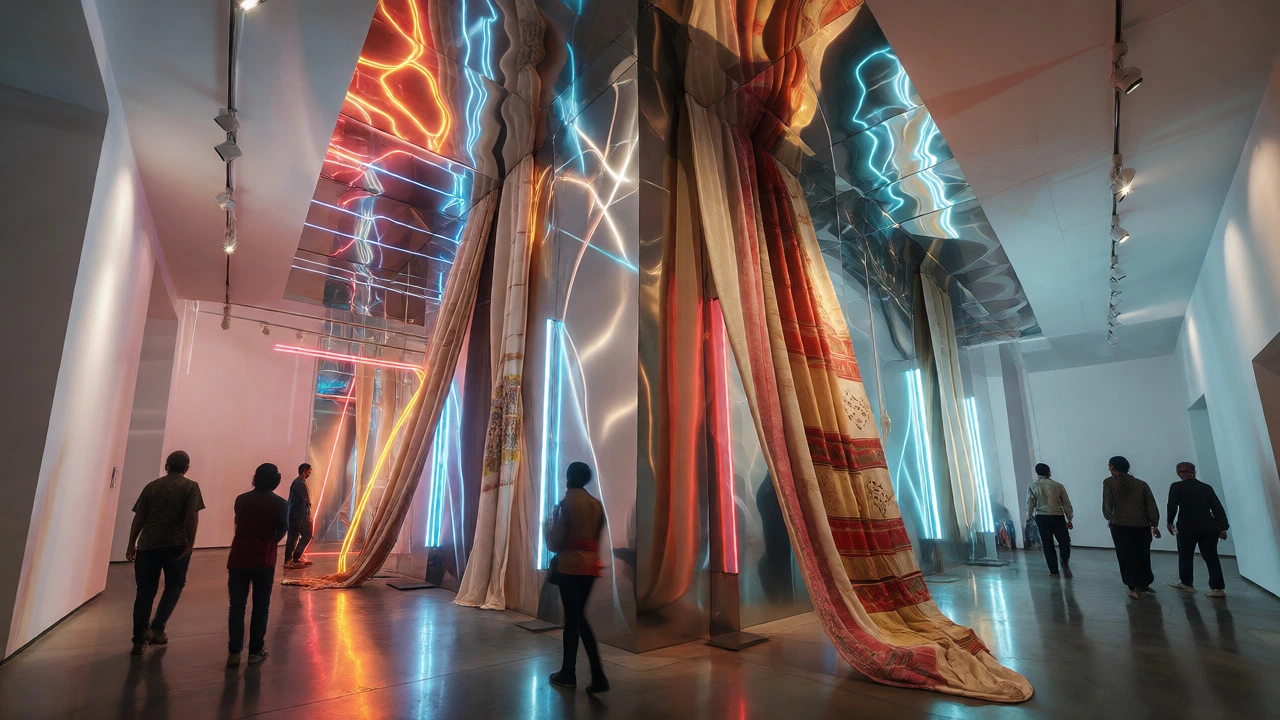
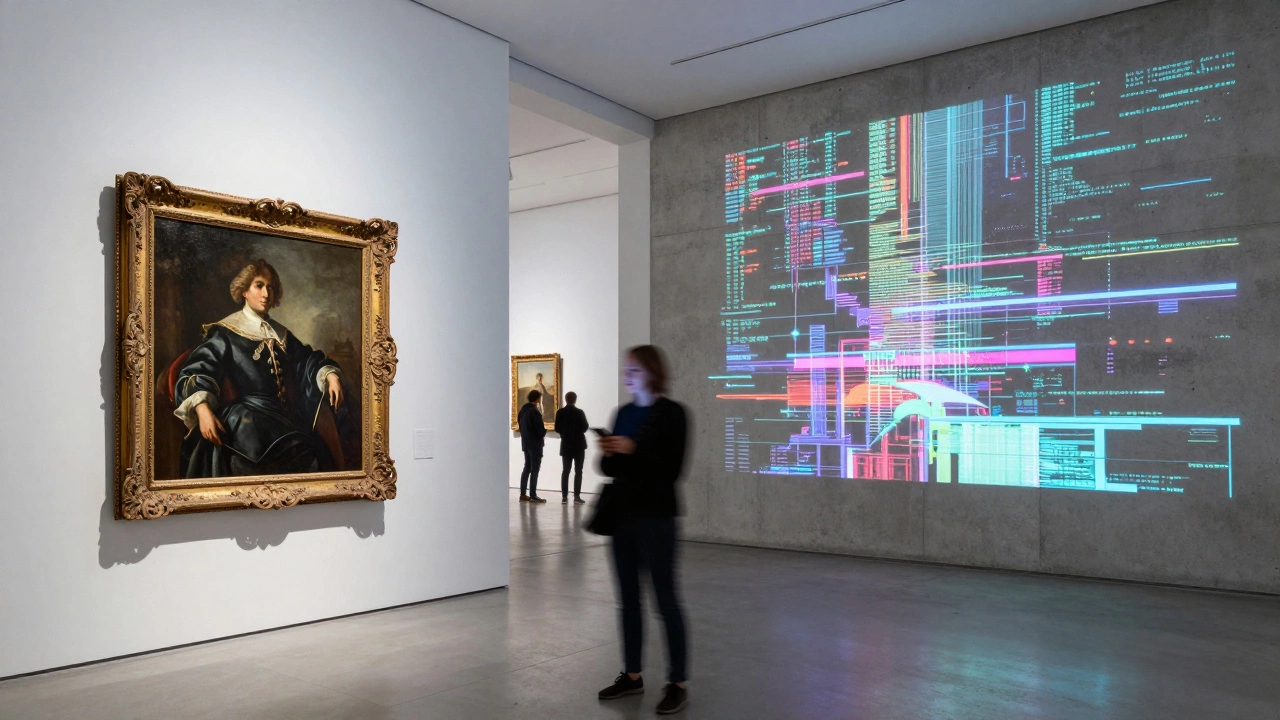
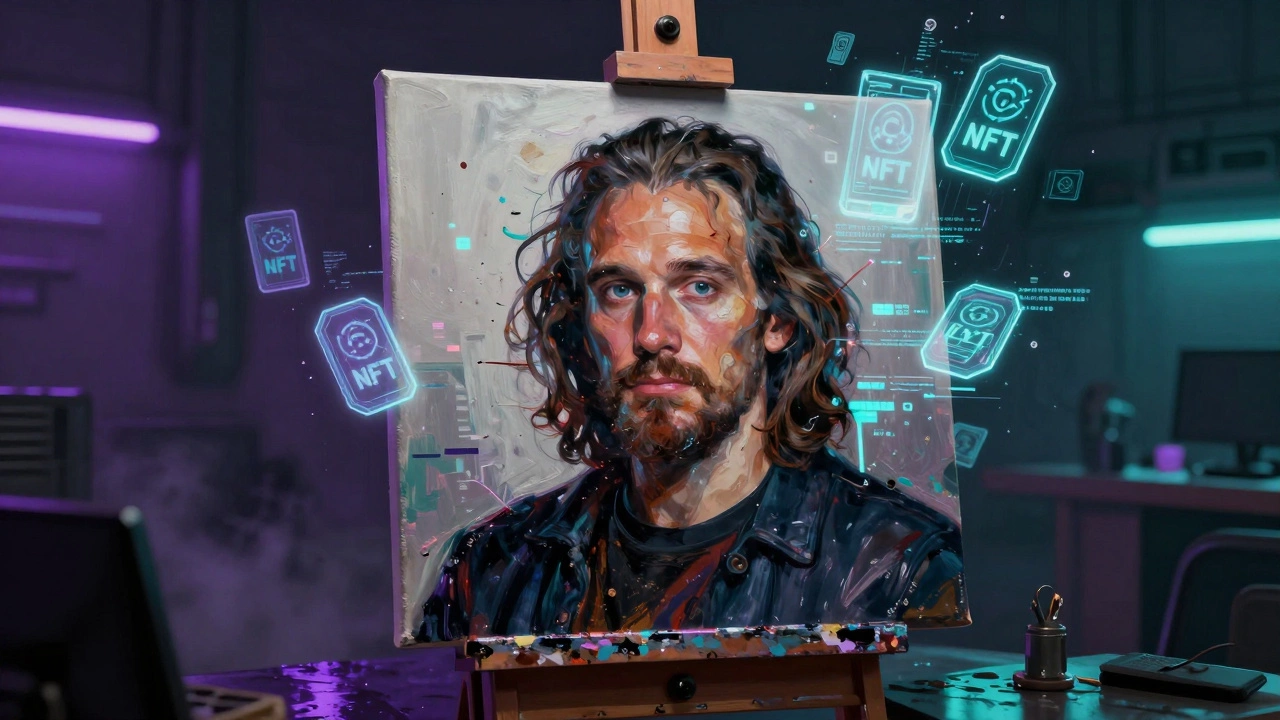
Walk into any major gallery in Sydney, New York, or London today, and you might feel a bit lost. You see oil paintings that look like they belong in the 19th century sitting next to glitchy digital projections and NFTs displayed on screens. It’s confusing. If you’ve ever stood in front of a piece and wondered, "Is this modern? Is this contemporary? What era is this even supposed to be?" you are not alone.
The short answer is: we are living in the era of contemporary art. But that label is doing a lot of heavy lifting. To really understand what’s happening right now in 2026, we need to dig deeper than just a timeline. We need to talk about how technology, global connectivity, and shifting cultural values have created a messy, vibrant, and often contradictory artistic landscape.
The Timeline Trap: Modern vs. Contemporary
First, let’s clear up the biggest misconception. When people say "modern art," they usually mean art made from the late 1800s to the mid-1900s. Think Pablo Picasso, Wassily Kandinsky, or Georgia O’Keeffe. This period was defined by a break from tradition. Artists were trying to find new ways to represent reality because photography had already taken over the job of capturing likeness.
But we aren’t there anymore. The term "contemporary" refers to art made from the late 1960s/1970s up to the present day. So, technically, everything you see being created right now is contemporary. However, using "contemporary" as a catch-all for the last fifty years is like calling Shakespeare and TikTok "theater." It’s true, but it doesn’t tell you much about the experience.
In 2026, the art world has moved beyond simple labels. We are in a phase where styles don’t replace each other; they coexist. A painter can use traditional oils while commenting on AI ethics. A sculptor can use recycled plastic to discuss climate change. The era isn’t defined by one visual style, but by a set of questions artists are asking.
The Rise of Post-Internet Art
If you want a more specific label for our current moment, "Post-Internet Art" is the most accurate descriptor for much of what dominates galleries and online spaces. This movement emerged in the early 2000s but has fully matured by 2026. It’s not just about art that uses the internet as a tool. It’s about art that reflects a world where the digital and physical realities are completely blended.
Consider an artist who creates a painting based on a meme, then sells the original canvas at auction while releasing the digital file as an NFT. That’s Post-Internet. It acknowledges that the image exists everywhere at once. The "aura" of the original object (a concept Walter Benjamin wrote about decades ago) has been replaced by the virality of the copy.
This era is characterized by:
- Hybridity: Mixing code, video, paint, and sculpture in single works.
- Democratization: Social media platforms allow artists to bypass traditional gatekeepers like curators and critics.
- Ephemerality: Art that changes, updates, or disappears, reflecting the fleeting nature of online attention.
Technology as the New Medium
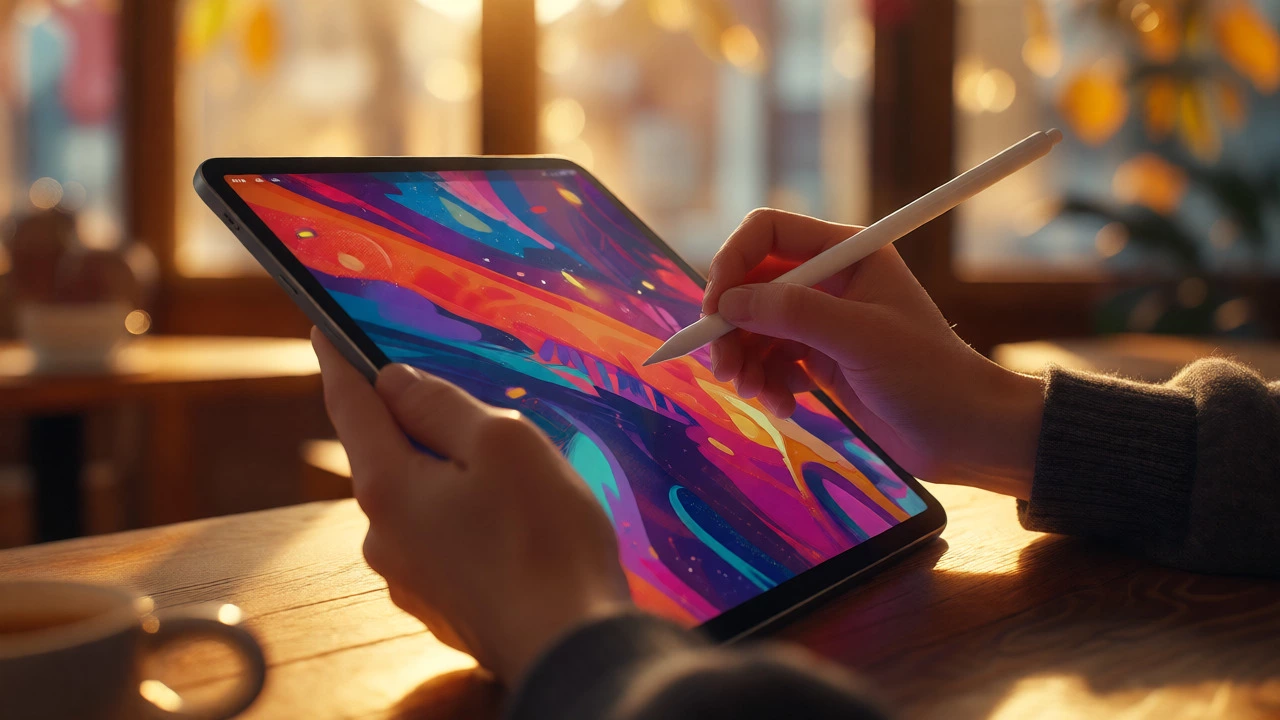
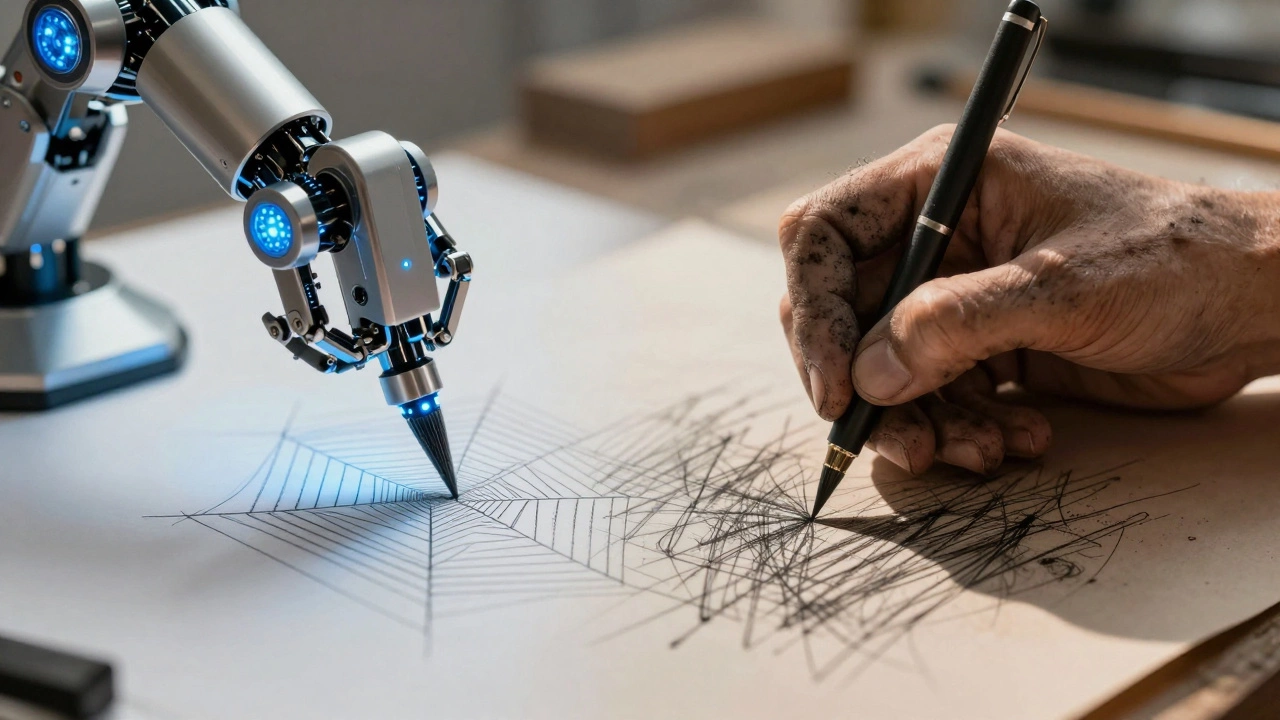
You can’t talk about the current art era without talking about Artificial Intelligence. By 2026, AI-generated art is no longer a novelty; it’s a standard part of the conversation. But here’s the twist: the backlash against AI has sparked a renewed interest in "hand-made" authenticity.
We are seeing a polarization. On one side, you have digital natives creating immersive VR experiences and algorithmic generative art. On the other side, there is a massive surge in tactile, slow art. Think intricate embroidery, large-scale charcoal drawings, or pottery that emphasizes the human touch. This isn’t a rejection of technology, but a reaction to it. People crave the evidence of a human hand in a world increasingly mediated by machines.
This duality defines our era. We are simultaneously hyper-connected and deeply isolated, digitally fluent yet yearning for analog warmth. Artists are navigating this tension every day.
Global Voices and Decolonization
Another defining feature of the current art era is its shift away from Western-centric narratives. For centuries, "art history" was largely written by European and American institutions. Today, the center of gravity is moving. Artists from Africa, Asia, Latin America, and Indigenous communities are not just participating in the global market; they are leading the discourse.
Museums and biennales are actively decolonizing their collections. This means re-examining how objects were acquired, giving credit to original creators, and showcasing perspectives that were previously marginalized. This isn’t just political correctness; it’s a fundamental reshaping of what art is considered valuable. The stories being told are more diverse, more local, and more urgent.
Sustainability and Ethics
Finally, the current era is marked by a deep concern for sustainability. Climate change is no longer a background issue; it’s a central theme. Artists are using eco-friendly materials, critiquing consumerism, and highlighting environmental destruction. Even the art market itself is under scrutiny. The carbon footprint of shipping huge sculptures across the globe, or the energy consumption of minting NFTs, are hot topics.
Collectors and institutions are demanding transparency. An artwork’s value is now partly tied to its ethical production. Did the artist pay fair wages? Were sustainable materials used? This ethical dimension is a key marker of the 2020s art scene.
| Era | Timeframe | Key Focus | Defining Technology/Medium |
|---|---|---|---|
| Modern Art | ~1860s - 1970s | Breaking from tradition, abstraction, individual expression | Oil paint, sculpture, photography |
| Contemporary Art (Early) | 1970s - 2000s | Conceptualism, identity politics, installation art | Video, performance, mixed media |
| Current Era (Post-Internet/Digital Age) | 2000s - Present (2026) | Hybridity, globalization, sustainability, AI integration | Digital tools, VR/AR, social media, bio-art |
How to Navigate the Current Art Scene
So, what does this mean for you as a viewer or collector? Here are a few practical tips:
- Look Beyond the Style: Don’t judge a piece by whether it looks "pretty." Ask what question it’s asking. Is it challenging your perception of reality? Is it commenting on social issues?
- Embrace the Digital: Follow artists on Instagram, TikTok, or specialized platforms. Much of the most exciting work happens online first.
- Support Local: Visit small galleries and community centers. They often showcase emerging voices that haven’t been polished by the mainstream market.
- Ask About Provenance: If you’re buying, ask about the materials and the artist’s process. Sustainability and ethics matter.
We are in an era of abundance and confusion. There is no single "master style." Instead, we have a mosaic of approaches, all responding to a complex, fast-changing world. The beauty of the current art era is that it’s unfinished. It’s being written every day by artists around the globe, using every tool at their disposal. And that’s exactly what makes it worth watching.
Is modern art the same as contemporary art?
No, they are distinct periods. Modern art generally refers to the period from the late 19th century to the mid-20th century (roughly 1860s-1970s), characterized by a break from traditional techniques. Contemporary art refers to art produced from the late 20th century to the present day. While all modern art is historical, not all contemporary art is modern.
What is the most popular art style in 2026?
There isn't one single dominant style. However, Post-Internet Art, which blends digital and physical mediums, is highly influential. Additionally, there is a strong resurgence of figurative painting and tactile crafts as a counter-movement to digital saturation. Abstract Expressionism remains popular in interior design contexts.
How has AI changed the art world?
AI has democratized image creation, allowing anyone to generate visuals with text prompts. This has led to debates about authorship and copyright. In response, many artists are emphasizing the human element, focusing on unique, hand-crafted processes or using AI as a collaborative tool rather than a replacement. AI also enables new forms of interactive and generative art.
Why is sustainability important in contemporary art?
Sustainability addresses the environmental impact of art production, such as the use of toxic materials or high-carbon shipping. Many contemporary artists use eco-friendly materials or create work that critiques consumer culture. Collectors and institutions are increasingly prioritizing ethical practices, making sustainability a key factor in an artwork's relevance and value.
What is Post-Internet Art?
Post-Internet Art is a movement that explores the condition of living in a world where the internet is ubiquitous. It’s not just digital art; it’s art that reflects how digital culture influences physical reality. Themes include memes, viral trends, data privacy, and the blurring line between online and offline identities.