Quick Takeaways:
- Character design and gaming assets remain the highest-demand sectors.
- Custom commissions for niche communities (VTubers, TTRPGs) offer the best margins.
- Commercial illustration for B2B SaaS and Tech companies pays the highest flat rates.
- Passive income through asset packs (brushes, textures) provides the most stability.
The Powerhouse: Character Design and Concept Art
If you want to see quick movement in your portfolio, look at Character Design is the process of creating a visual representation of a fictional person or creature, focusing on personality, costume, and silhouette. This is the engine that drives the entertainment industry. Why? Because every indie game developer, webcomic writer, and tabletop player needs a face for their story.
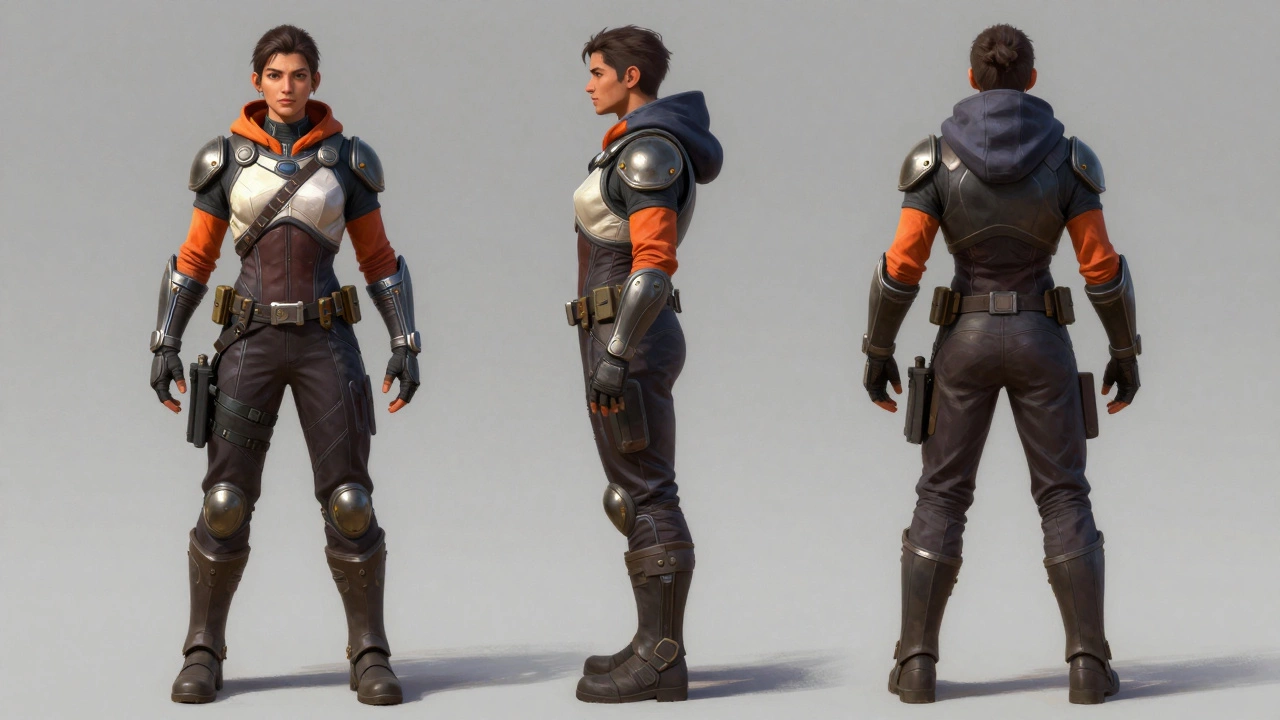
Right now, the biggest money is in custom character sheets. Instead of just a pretty portrait, buyers want "turnarounds"-the character from the front, side, and back. If you can provide a consistent design that an animator can actually use, you can charge a premium. Think about the rise of VTubing; these creators aren't just looking for art, they're looking for a brand. A full-body model ready for rigging can sell for hundreds, sometimes thousands, of dollars because it's a business tool, not just a decoration.
Commercial Illustration for the Tech Sector
While character art is flashy, the real "quiet money" is in Commercial Illustration. This refers to art created for commercial purposes, often seen in corporate branding, app interfaces, and marketing materials. Specifically, the B2B SaaS (Software as a Service) world is desperate for art that makes complex technical concepts look friendly and accessible.
Have you noticed those quirky, flat-style humans with slightly exaggerated proportions on most landing pages? That's a specific demand. Companies want a cohesive visual language that doesn't look like a generic stock photo. If you can create a set of 10-15 matching icons or spot illustrations for a brand, you're moving from a "per piece" payment model to a "project-based" model, which drastically increases your hourly rate.
| Niche | Demand Level | Price Point | Scalability |
|---|---|---|---|
| Character Design | Very High | Medium to High | Low (Time intensive) |
| B2B Illustration | High | Very High | Medium (Project based) |
| Game Assets | High | Low to Medium | Very High (Passive) |
| Custom Portraits | Medium | Low | Low (One-off) |
Game Assets and the Passive Income Stream
If you're tired of the "commission treadmill"-where you only make money when you're actively drawing-you need to pivot toward Game Assets. These are modular pieces of art, like tilesets, UI buttons, or 3D models, that developers buy to build their worlds. Instead of selling one painting to one person, you sell one asset pack to a thousand developers.
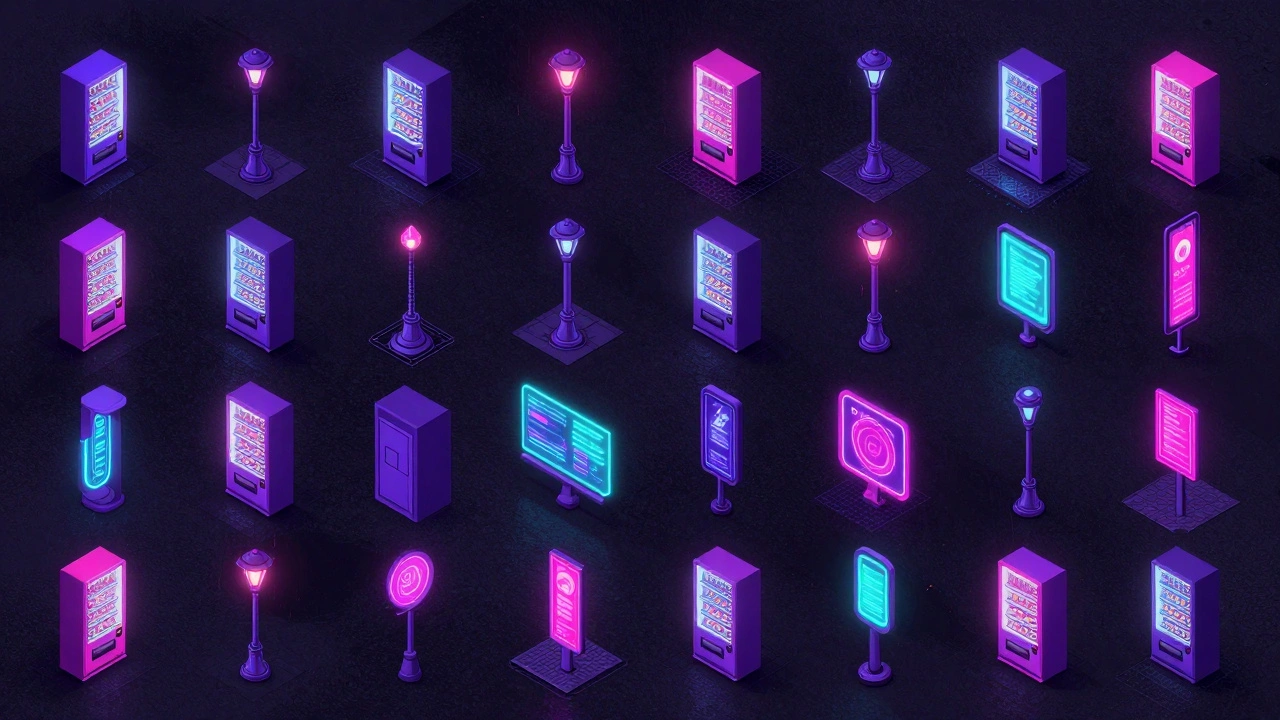
The most successful assets right now are those that fill a gap. For example, high-quality Isometric Art (a method of representing 3D objects in 2D without perspective distortion) is always in demand for strategy games and simulation apps. If you create a "Cyberpunk City Kit" with 50 different neon signs and street textures, you've created a product that earns money while you sleep. The key here is consistency; every item in the pack must look like it belongs in the same world.

Niche Communities: TTRPGs and Fan Art
Never underestimate the spending power of a passionate hobbyist. The TTRPG (Tabletop Role-Playing Game) community, specifically players of games like Dungeons & Dragons, treats their characters like extensions of their own identity. They don't just want a drawing; they want a legacy.
This is where "high-touch" commissions thrive. By offering tiered packages-such as a basic sketch, a fully rendered portrait, or a full-scene illustration with a background-you allow the buyer to choose their budget while you maximize your profit. Fan art also works, but the trick is to target "underserved" fandoms. Don't just draw the most popular character from the biggest movie; find a cult classic series with a hungry fanbase and a lack of high-quality art. You'll become the go-to artist for that entire community.
The Technical Edge: Tools and Brushes
Some of the most profitable digital artists aren't actually selling art-they're selling the tools to make it. In software like Procreate or Adobe Photoshop, the ability to create custom brushes, textures, and color palettes is a goldmine. This is essentially selling "efficiency."
If you've developed a way to paint realistic skin textures or a brush that perfectly mimics 1950s screen printing, other artists will pay for that shortcut. This is a meta-market. You aren't competing with other illustrators for a client's budget; you're providing the infrastructure that allows other artists to work faster. A well-marketed brush pack on a platform like Gumroad or ArtStation can provide a steady monthly baseline of income that removes the stress of hunting for the next gig.
Avoiding the Common Pitfalls
The biggest mistake artists make is trying to be a "generalist." When you say "I can draw anything," you're telling the market that you aren't an expert in anything. Specialists charge more. A "Medical Illustrator" can charge ten times what a "Digital Artist" charges because they understand the specific anatomy and requirements of a textbook.
Another trap is ignoring the delivery format. Selling a JPEG is fine for a social media post, but selling a layered .PSD or a rigged .Live2D file transforms your work from a "picture" into a "product." Always ask yourself: "How can I make this more useful for the buyer?" The more utility your art provides, the more you can charge. Stop thinking like a painter and start thinking like a solution provider.
Should I focus on AI-generated art to make more money?
While AI can speed up the ideation process, the market is currently flooded with low-effort AI work. The real value now lies in "human-in-the-loop" art-where AI is used for brainstorming but a human artist provides the final polish, consistency, and emotional nuance. Clients pay a premium for the guarantee that the art is original and can be legally trademarked, which is still a grey area for pure AI output.
Where is the best place to sell digital art in 2026?
It depends on your goal. For high-ticket commissions, a professional portfolio on ArtStation or a curated Instagram/X feed works best. For passive income, marketplaces like Unity Asset Store, Unreal Engine Marketplace, or Gumroad are ideal. If you're targeting the casual fan market, Etsy and Ko-fi are the gold standards for managing small transactions and tipping.
How do I price my digital work without underselling myself?
Stop pricing based on hours and start pricing based on value. A logo for a local bakery is worth less than a logo for a venture-backed startup, even if they take the same amount of time to draw. Use a "tiered pricing" strategy: a Basic package for low-budget clients and a Premium package with full commercial rights for businesses. This ensures you don't leave money on the table.
Is digital art still viable with the rise of 3D software?
Absolutely. 3D is a tool, not a replacement. In fact, the demand for 2D concept art has increased because 3D artists need a 2D blueprint before they start modeling. Learning basic 3D (like Blender) can actually make your 2D art more valuable, as you can provide accurate perspective and lighting guides that make the production pipeline smoother.
What is the most profitable style of art right now?
Currently, there is a massive surge in "Stylized Realism"-think of the art style in modern AAA games like Arcane or Overwatch. It blends realistic anatomy and lighting with exaggerated, painterly shapes. This style is highly sought after because it feels premium and artistic while still maintaining the clarity needed for commercial branding and gaming.
Next Steps for Your Business
If you're just starting, don't try to conquer every niche at once. Pick one-either high-volume passive assets or high-ticket custom commissions-and build a focused portfolio. If you choose the B2B route, spend a week studying the visual trends of the top 50 fastest-growing startups. If you're going for character art, join TTRPG forums and offer a few discounted "beta" pieces to get testimonials.
Your goal for the next 30 days should be to create three "anchor pieces"-works that showcase not just your skill, but the specific value you provide to a buyer. Don't just show a character; show a character with an equipment sheet and a color palette. Don't just show an illustration; show how that illustration looks on a mobile app mockup. Show the buyer exactly how your art solves their problem, and the sales will follow.