Photography Income Potential Calculator
Your Profile
Recommended Niche:
Based on your profile, this niche offers the best balance of income potential and fit.
Why This Fits You:
Select your options and click calculate to see your estimated earning potential in 2026.
Money in photography rarely comes from snapping pretty pictures. It comes from solving expensive problems or selling high-value emotions. If you are asking which type of photography makes the most money, the answer depends entirely on your business model, not just your camera gear. Some photographers struggle to pay rent shooting landscapes, while others clear six figures a month editing corporate headshots.
The reality is that commercial photography and specialized event coverage dominate the top income brackets. However, the gap between hobbyist and professional is widening. In 2026, clients expect more than just a JPEG; they want brand assets, lifestyle content, and digital experiences. Let’s break down the actual earning potential across different genres so you can stop guessing and start strategizing.
The High-Income Leaders: Commercial and Product Photography
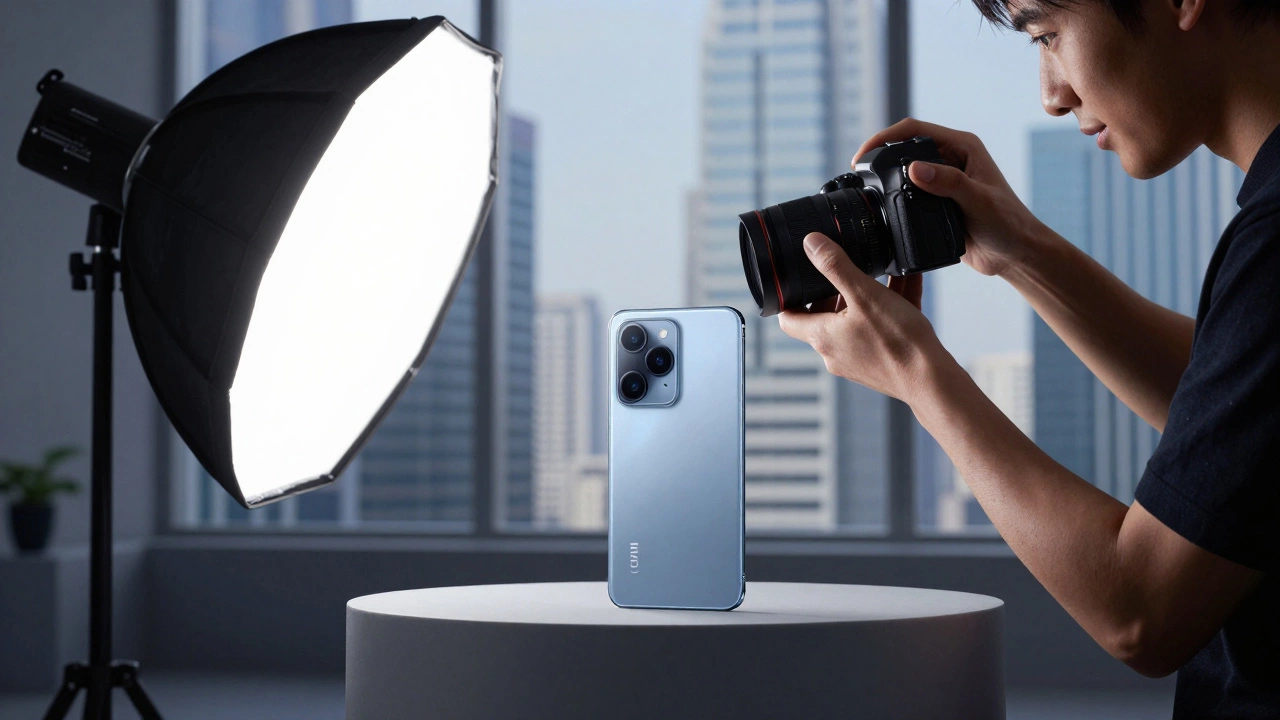
If pure revenue per hour is your metric, commercial photography sits at the top. This isn’t about taking photos of sunsets; it’s about creating visual assets that drive sales for brands. Companies spend millions on marketing, and a significant portion of that budget goes to imagery.
Product photography, a subset of commercial work, has exploded with the rise of direct-to-consumer brands. A single hero image for a luxury watch or a smartphone launch can command fees ranging from $5,000 to $50,000 depending on usage rights. Why such a huge range? Because licensing matters. If a company uses your photo only on their website, the fee is lower. If they use it in a global TV ad campaign, the price skyrockets.
- Average Daily Rate: $1,500 - $5,000+
- Key Skill: Lighting precision and retouching (often outsourced)
- Barrier to Entry: High (requires studio setup and legal contracts)
Food photography follows a similar trajectory. Restaurants and meal-kit services need mouth-watering visuals daily. Top food photographers charge $800-$2,000 per shoot, but the real money is in retaining exclusive contracts with major chains. You aren’t just selling photos; you’re selling appetite appeal.
The Emotional Goldmine: Wedding and Event Photography
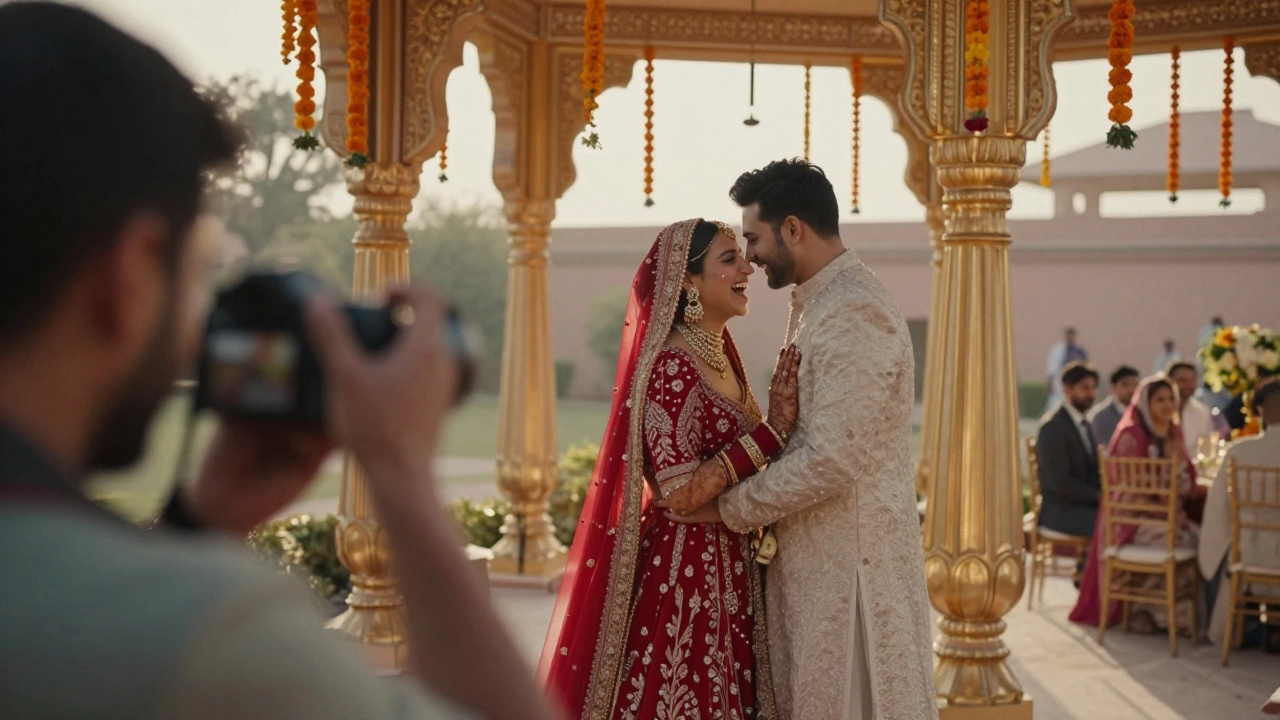
Wedding photography is often dismissed as "just events," but financially, it is one of the most lucrative sectors for solo operators. People do not care about the technical specs of your lens when they are marrying their soulmate. They care about capturing memories they will never get back. This emotional leverage allows photographers to charge premium prices.
In major cities like Sydney, New York, or London, top-tier wedding photographers charge between $5,000 and $15,000 for a single day. That is a full-time salary for eight hours of work. The catch? The workload extends far beyond the ceremony. Editing hundreds of images, managing client expectations, and handling backup drives takes time. But the profit margin remains incredibly high if you position yourself as a luxury provider rather than a commodity.
Corporate events offer steadier, though slightly lower, returns. Conferences, award dinners, and executive retreats require reliable documentation. While you might only make $1,000-$3,000 per event, these clients often return annually. Building a roster of recurring corporate clients provides financial stability that weddings, with their seasonal peaks, cannot match alone.
The Fine Art Illusion vs. Reality
We need to talk about fine art photography because it is where many dreamers start and where many wallets stay empty. Fine art photography is driven by aesthetic vision and conceptual depth rather than client demand. It is sold through galleries, limited edition prints, and grants.
Does it make money? For the top 1%, yes. When a print sells for $100,000 at a gallery, it looks easy. But for every photographer making headlines, thousands struggle to sell a single print. The market is saturated, and buyers are selective. Success here requires years of building a reputation, exhibiting in prestigious venues, and cultivating collectors. It is a marathon, not a sprint. If you rely solely on fine art sales for income, you will likely face financial instability unless you have other revenue streams.
However, fine art skills can be monetized indirectly. Many successful fine artists license their work for book covers, album art, or interior design projects. This hybrid approach-selling original pieces while licensing reproductions-creates a more sustainable income model.
Stock Photography: The Volume Game
Stock photography used to be a gold rush. Today, it is a grind. With AI-generated images flooding platforms like Adobe Stock and Shutterstock, the value of generic stock photos has plummeted. You cannot make a living uploading pictures of "business people shaking hands."
| Niche | Entry Barrier | Scalability | Potential Annual Income |
|---|---|---|---|
| Commercial/Product | High | Low (Service-based) | $100k - $500k+ |
| Wedding/Events | Medium | Low (Time-capped) | $50k - $150k |
| Fine Art | Very High | Medium (Prints/Licensing) | $0 - $200k (Highly variable) |
| Stock Photography | Low | High (Passive) | $1k - $20k |
| Real Estate | Low | Medium | $30k - $80k |
To succeed in stock today, you need niche expertise. Medical photography, authentic diversity shots, and specific industrial processes still sell well. But even then, it is a numbers game. You might earn pennies per download. It works best as a side hustle to supplement active client work, not as a primary income source.

The Hidden Revenue Streams: Teaching and Licensing
Many photographers forget that their knowledge is an asset. Once you establish expertise in any niche, teaching becomes a powerful income stream. Online courses, workshops, and presets sales offer scalability that client work does not. You create the course once and sell it infinitely.
Licensing is another overlooked area. If you shoot unique content-whether it’s aerial drone footage, microscopic details, or rare wildlife-you can license those images repeatedly. Unlike selling a print, where you lose the original, licensing allows you to retain ownership while generating passive income. Many commercial photographers build wealth not by shooting more, but by managing their existing library of images and licensing them to multiple clients over years.
How to Choose Your Path
Your choice should depend on your personality and goals. Do you love interacting with people? Wedding and portrait photography might suit you. Do you prefer controlled environments and technical precision? Look into commercial or product work. Are you driven by creative freedom and willing to wait for success? Pursue fine art, but keep a day job or service-based side hustle.
Remember, the camera is just a tool. The money comes from understanding market needs, positioning your brand effectively, and delivering consistent value. Whether you aim for the steady paycheck of corporate events or the high-stakes thrill of luxury weddings, focus on solving problems for your clients. That is where the real money lies.
Is fine art photography profitable?
For most photographers, fine art photography is not immediately profitable. It requires years of building a reputation, exhibiting in galleries, and cultivating a collector base. While top artists can earn substantial sums, the majority struggle to cover costs. It is recommended to combine fine art with commercial or teaching work for financial stability.
What is the highest-paying photography niche?
Commercial and product photography generally offer the highest earning potential, especially when combined with licensing deals. Top commercial photographers can earn six figures annually due to high daily rates and corporate budgets. Wedding photography also ranks high for individual freelancers due to premium pricing for emotional services.
Can I make a living from stock photography?
Making a full-time living from stock photography is difficult in 2026 due to market saturation and AI competition. It is best treated as a passive income stream to supplement active client work. Success requires a massive portfolio of niche, high-quality images that meet specific commercial needs.
How much do wedding photographers charge?
In major metropolitan areas, wedding photographers typically charge between $5,000 and $15,000 per day. Prices vary based on experience, location, and package inclusions like albums or second shooters. Luxury markets can see prices exceed $20,000 for comprehensive coverage.
Do I need a degree to become a commercial photographer?
No, a formal degree is not required. Clients care about your portfolio, reliability, and ability to deliver results. Building a strong body of work, networking with agencies, and mastering lighting techniques are more important than academic credentials.