Art Exhibition Viewing Planner
Plan your visit to maximize engagement. Calculate optimal timing and prepare for the experience based on exhibition type.
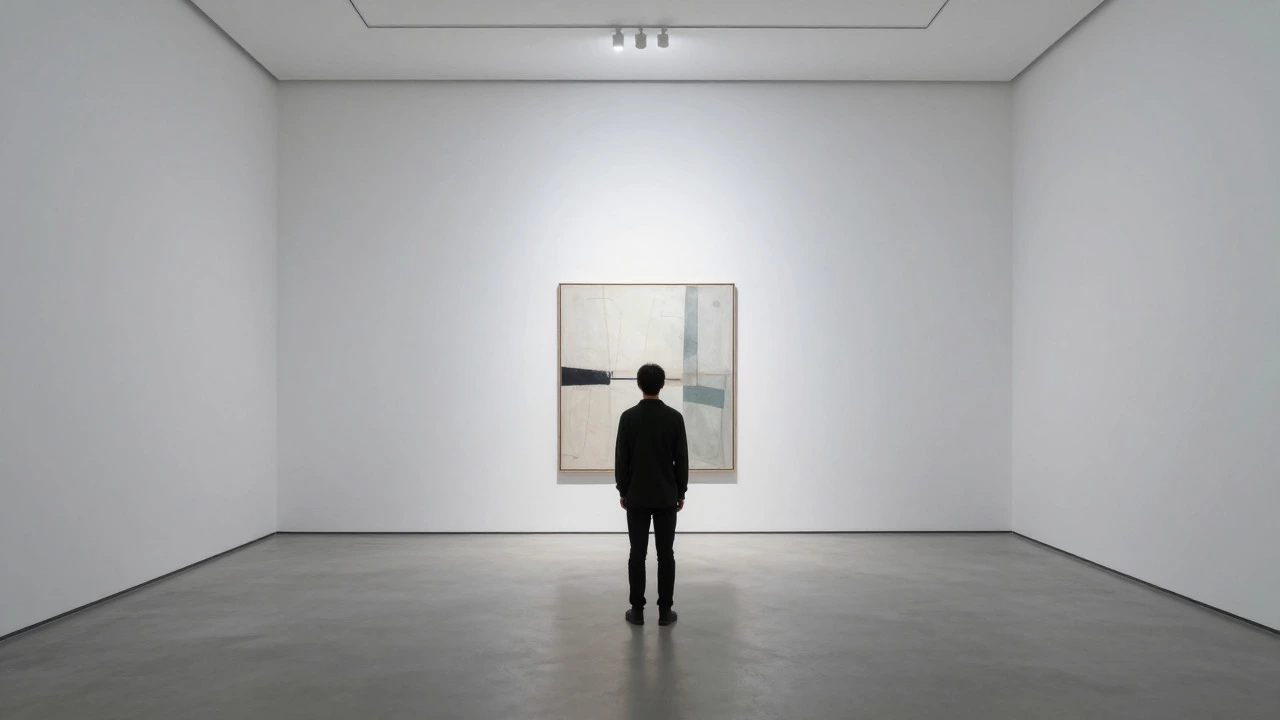
You walk into a white room. The walls are bare except for one painting hanging dead center. There is a small card next to it with the title, the year, and the price. You stand there, squinting slightly, trying to figure out if you should feel something or if you’re just wasting your time. This moment-the gap between seeing an object and understanding its context-is exactly what an art exhibition is designed to bridge.
An art exhibition is not just a collection of artworks piled together in a room. It is a curated narrative. It is a temporary architecture built around ideas, emotions, or historical moments. Whether you are a casual visitor, a collector, or an artist looking to show your work, understanding how these spaces function changes everything about how you experience them.
The Anatomy of an Exhibition
At its core, an exhibition is a dialogue between three parties: the artist, the curator, and the viewer. Most people focus on the artist, but the curator is the invisible architect of the experience. A curator selects which works make the cut, decides where they hang, controls the lighting, and often writes the wall texts that guide your interpretation.
Think of it like a movie director. The actors (artists) do the heavy lifting, but the director (curator) chooses the angles, the pacing, and the soundtrack. In a gallery setting, the "soundtrack" is the spatial arrangement. Have you ever noticed how some galleries force you to move in a specific path? That’s intentional. They want you to see the large abstract piece before the delicate sketch, so the contrast hits harder. If you walked in backwards, the emotional arc would break.
Exhibitions generally fall into two main types:
- Solo Exhibitions: These focus on a single artist. They offer a deep dive into one mind, one style, or one period of their career. It’s intimate and cohesive. You can trace the evolution of an idea from start to finish without distraction.
- Group Exhibitions: These bring together multiple artists, often under a unifying theme like "Climate Change," "Identity," or "Digital Futures." Here, the conversation is comparative. You’re meant to look at Artist A’s take on a topic and then immediately compare it to Artist B’s approach.
There’s also the distinction between commercial galleries and non-profit institutions. Commercial galleries exist to sell art. Their exhibitions are marketing events. Non-profits like museums and public arts centers exist to educate and preserve culture. Their shows might never result in a sale, but they aim to shift how you think about the world.
Why Curators Matter More Than You Think
If you’ve ever left a show feeling confused, it might not be the art’s fault-it could be the curation. Good curation provides context without spoon-feeding. Bad curation leaves you guessing whether the rusted metal sculpture is a commentary on industrial decay or just a broken chair.
A curator’s job involves several key steps:
- Concept Development: They start with an idea. Maybe they want to explore how AI is changing portraiture. This concept becomes the backbone of the show.
- Artist Selection: They invite artists whose work fits that concept. Sometimes they commission new pieces specifically for the exhibition.
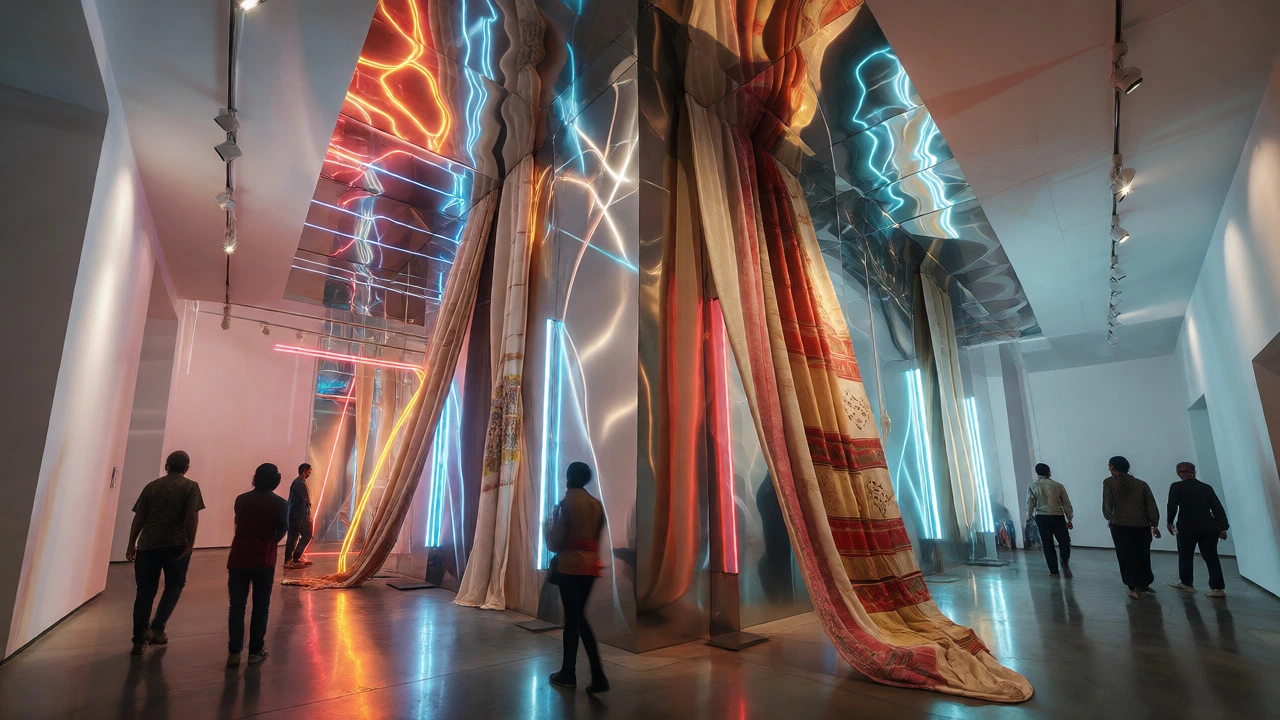
- Installation Design: This is where the magic happens. They decide on sightlines, spacing, and lighting. Too much space makes a small painting feel lonely; too little space makes a large installation feel cramped.
- Text and Interpretation: Wall labels, catalogs, and audio guides provide the intellectual framework. Without this, many contemporary works remain opaque.
In Sydney, for example, when the Art Gallery of New South Wales mounts a major retrospective, you’ll notice the sheer scale of planning involved. They don’t just hang paintings; they recreate environments, manage climate control for fragile works, and design educational programs for schools. The exhibition becomes a community event, not just a visual display.
How to Actually Look at Art
Most people rush through exhibitions. They check off the famous names, snap a photo for social media, and head to the café. But if you want to get value out of an exhibition, you need to slow down. Here’s a practical method for viewing art that works every time:
1. Stand Back First
Don’t rush to read the label. Step back five feet. Look at the composition as a whole. What catches your eye first? Is it color, movement, or texture? Trust your initial instinct before your brain starts analyzing.
2. Read the Label Second
Now read the title, date, and medium. Does the information change how you see the piece? Knowing a painting was made in 1945 adds weight to its chaotic brushstrokes. Knowing a sculpture is made of recycled plastic changes its meaning from "pretty shape" to "environmental critique."
3. Engage Your Body
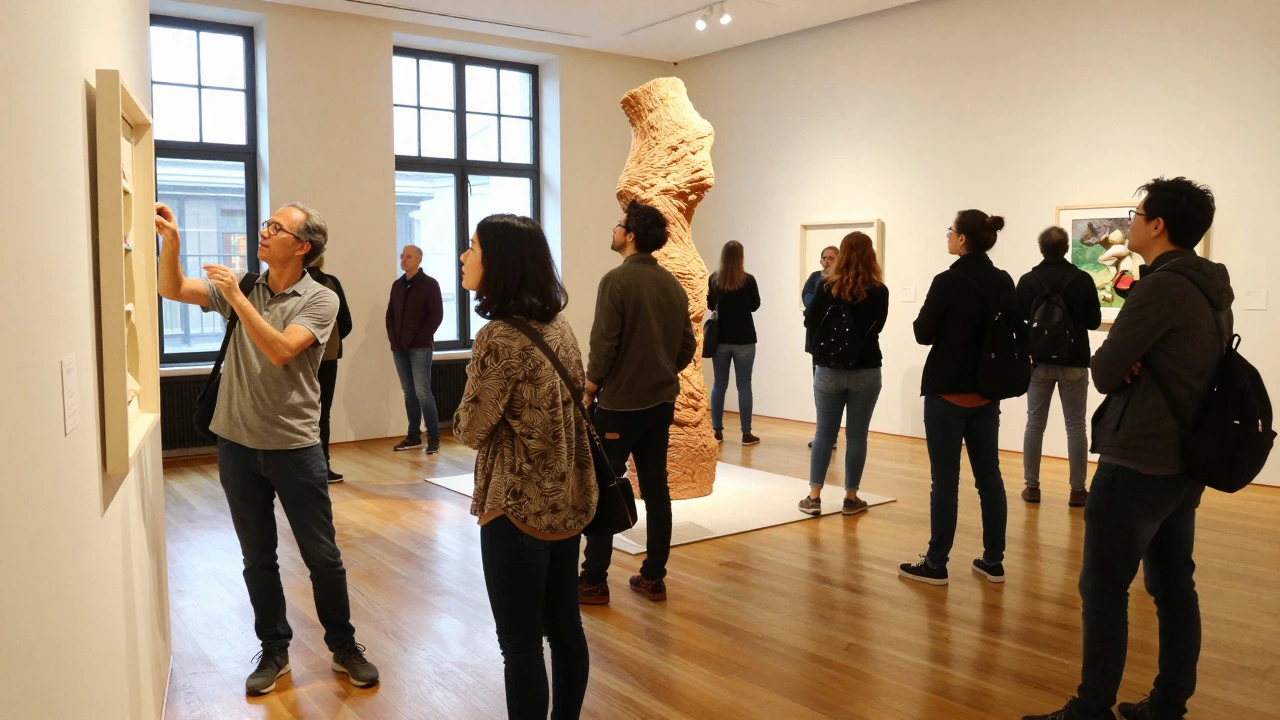
Art is physical. If it’s a sculpture, walk around it. Notice how the light changes as you move. If it’s a large canvas, lean in close to see the brushwork, then step back again. Your body’s reaction-discomfort, awe, boredom-is valid data.
4. Ask Questions, Don’t Seek Answers
Stop asking, "What does this mean?" Instead ask, "What does this make me feel?" or "Why did the artist choose this material?" There is rarely one right answer. Contemporary art thrives on ambiguity.
This approach turns a passive stroll into an active investigation. You stop being a spectator and start being a participant in the conversation the curator set up.
Planning Your Visit: Timing and Logistics
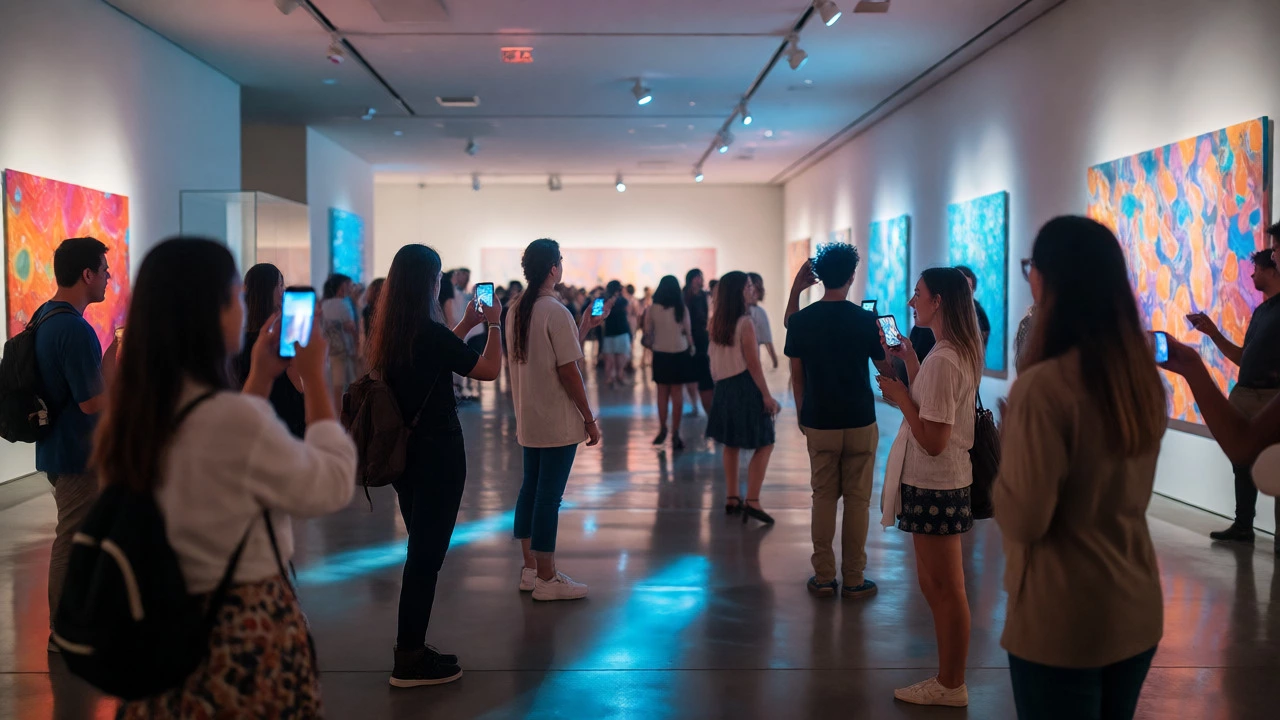
Not all exhibitions are created equal, and timing matters. If you’re visiting a major museum during peak hours (usually weekends and mid-day), you’ll be fighting crowds. For a better experience, aim for weekday mornings. The galleries are quieter, the lighting is often more consistent, and you can actually hear the audio guides without background chatter.
Before you go, check the exhibition schedule. Many galleries rotate shows every two to three months. Missing a specific artist means waiting years for their next solo show. In cities like Sydney, Melbourne, or London, booking tickets online in advance can save you significant time, especially for blockbuster exhibitions featuring names like Yayoi Kusama or Jeff Koons.
Also, consider the physical demands. Some exhibitions are immersive and require walking through dark rooms, climbing stairs, or standing for long periods. Wear comfortable shoes. Bring water. And don’t try to see everything in one sitting. It’s better to spend an hour deeply engaging with ten pieces than skimming past fifty.
The Role of Technology in Modern Exhibitions
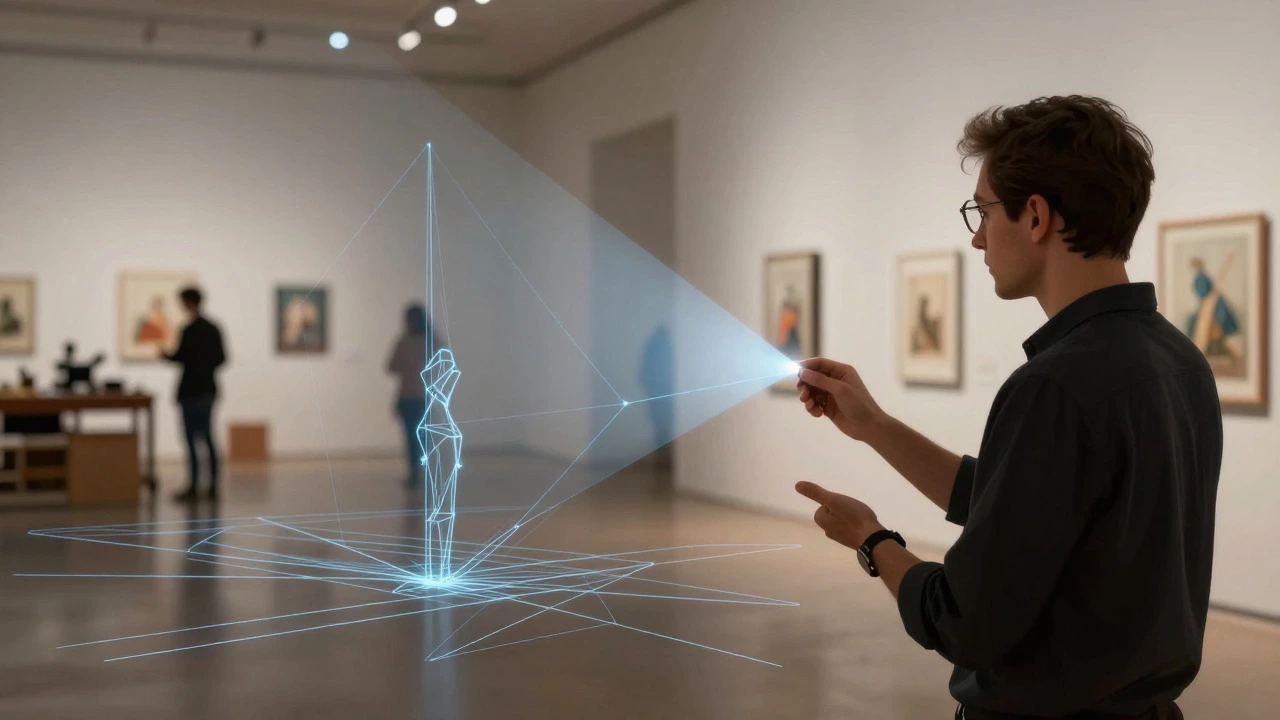
Gone are the days when art was static behind glass. Today, technology is reshaping how exhibitions are experienced. Augmented Reality (AR) apps allow you to point your phone at a blank wall and see a digital layer of animation or historical context. Virtual Reality (VR) lets you step inside a painting or tour a museum in Tokyo while sitting in Sydney.
Digital exhibitions have also exploded post-pandemic. While nothing replaces the physical presence of a canvas, high-resolution online tours allow global access to collections that were once locked behind geographic barriers. However, purists argue that digital reproductions lose the texture, scale, and aura of the original. The smell of oil paint, the roughness of clay, the shadow cast by a bronze statue-these sensory details are lost in translation.
For collectors, technology has changed the buying process too. Live-streamed auctions and virtual viewings mean you can purchase art without leaving your home. But beware: screens distort color. Always insist on seeing important pieces in person before committing to a purchase.
Supporting the Ecosystem
Attending exhibitions isn’t just entertainment; it’s economic support for the creative industry. When you buy a ticket, you fund conservation efforts, education programs, and artist stipends. When you buy art directly from a gallery, you bypass secondary markets and ensure the creator receives a fair share.
If you’re an artist, understanding exhibitions is crucial for your career. Building relationships with curators, submitting proposals for group shows, and learning how to present your work professionally are essential skills. An exhibition is your portfolio coming to life. Treat it with the same care you’d give a product launch.
What is the difference between a gallery and a museum?
A gallery is typically a commercial space focused on selling contemporary art by living artists. They operate as businesses, earning income through commissions on sales. A museum is a non-profit institution dedicated to preserving, researching, and educating the public about art history and culture. Museums acquire works for permanent collections and rarely sell them. Galleries change exhibitions frequently (every 2-3 months), while museums may keep major shows open for 6-12 months.
Do I need art knowledge to enjoy an exhibition?
No. Art is subjective. While knowing art history can add layers of appreciation, it is not required. Focus on your emotional and visual reactions. If a piece moves you, confuses you, or irritates you, that is a valid response. Use wall texts and audio guides as optional tools to deepen your understanding, not as tests you must pass.
Can I take photos in art exhibitions?
It depends on the venue. Many museums allow personal photography without flash, but some prohibit it entirely to protect sensitive works or due to copyright restrictions. Commercial galleries often discourage photos to maintain exclusivity. Always look for signage at the entrance. Using tripods or selfie sticks is usually banned as they obstruct other visitors.
How much does it cost to attend an art exhibition?
Costs vary widely. Public museums in Australia often charge AUD $20-$30 for general admission, with special exhibitions costing extra. Commercial galleries are usually free to enter, though they expect you to browse with purchasing intent. Some museums offer free entry on certain days or for students/seniors. Check websites for current pricing and discounts.
What should I wear to an art exhibition?
Comfort is key. You will be walking and standing for extended periods. Wear supportive shoes. Avoid overly bright colors or large bags that might distract from the art or bump into displays. Dress smart-casual if attending an opening night event, but for regular visits, practical clothing is best.