Portrait Painting Insight Quiz
1. According to the article, what is the most critical element of a great portrait painting?
2. Why does the article suggest that lighting in portraits is important?
3. What does the article say is the most common mistake in portrait painting?
4. How does the article describe the relationship between brushwork and character?
5. What does the article emphasize as the key difference between a portrait and a simple likeness?
Results
out of 5 correct
A great portrait painting doesn’t just look like someone-it feels like them. You’ve seen photos that capture a person’s face perfectly, but still feel empty. That’s because a portrait isn’t about accuracy. It’s about presence. It’s about the quiet tension in the corner of the eyes, the way light catches the edge of a lip, the unspoken story behind a half-smile. What separates a good likeness from a haunting, unforgettable portrait? It’s not just skill. It’s intention.
It Starts with the Eyes
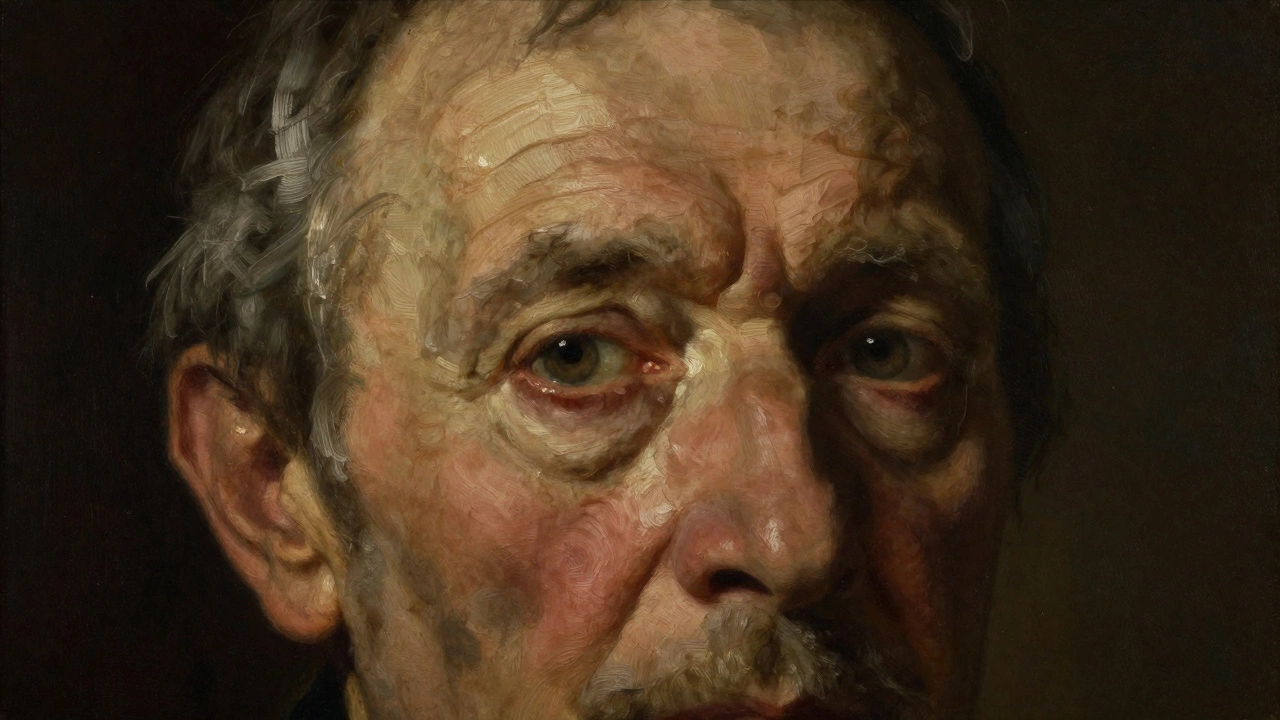
The eyes are where the soul shows up in a portrait. Not because artists say so, but because that’s where human connection happens. Look at Rembrandt’s self-portraits from the 1650s. His pupils aren’t perfectly round. His irises aren’t painted with uniform color. Yet, you feel him looking back at you-direct, tired, alive. That’s not magic. That’s observation. Great portrait painters don’t just paint what they see. They paint what they feel in the gaze.
Most beginners try to render the eyes as perfect circles with white highlights. That’s not realism. That’s a cartoon. Real eyes have asymmetry. One pupil might catch more light. The lower lid might sag slightly from fatigue. The corner of the eye might crinkle from years of laughter. These small imperfections are what make the face real. A portrait that gets the eyes right doesn’t need a perfect nose or flawless skin. It just needs to see you.
Lighting Tells the Story
Light isn’t just illumination-it’s emotion. A portrait lit from above feels authoritative. Light from below feels eerie. Soft, diffused light creates intimacy. Harsh, directional light reveals character. Caravaggio didn’t use fancy equipment. He used a single candle and a dark room. The result? Faces that looked like they’d been carved out of shadow and memory.
Modern portrait artists still rely on this. Consider Chuck Close’s photorealistic paintings. He doesn’t use soft brushes. He builds the face with hard-edged blocks of color. The light isn’t gentle-it’s clinical. And that’s the point. His portraits feel like forensic records of identity. Meanwhile, Alice Neel paints with loose, almost messy strokes. Her light is uneven, warm, and human. Her subjects look like they’ve just walked in from the cold, still shivering.
The best portraits don’t just show how someone looks in daylight. They show how they feel in the dark. The light tells you whether the person is being watched, judged, loved, or forgotten.
Expression Isn’t Just a Smile
People think a great portrait needs a smile. It doesn’t. In fact, the most powerful portraits often show stillness-eyes lowered, lips barely parted, hands resting in the lap. Look at Johannes Vermeer’s Girl with a Pearl Earring. She’s not smiling. She’s not posing. She’s pausing. And that pause is what makes her unforgettable.
Expression in portraiture isn’t about exaggerated emotion. It’s about restraint. A slight tightening of the jaw. A flicker of thought behind the gaze. The way the neck muscles relax when someone lets their guard down. These are the moments that don’t last. A painter has to catch them before they’re gone.
Many portrait artists work from life for this reason. A photograph freezes a moment. But a live sitter breathes. They shift. They blink. They sigh. That movement-subtle, unconscious-is what gives a portrait its heartbeat. The best portraits aren’t posed. They’re witnessed.
Composition Is the Silent Language
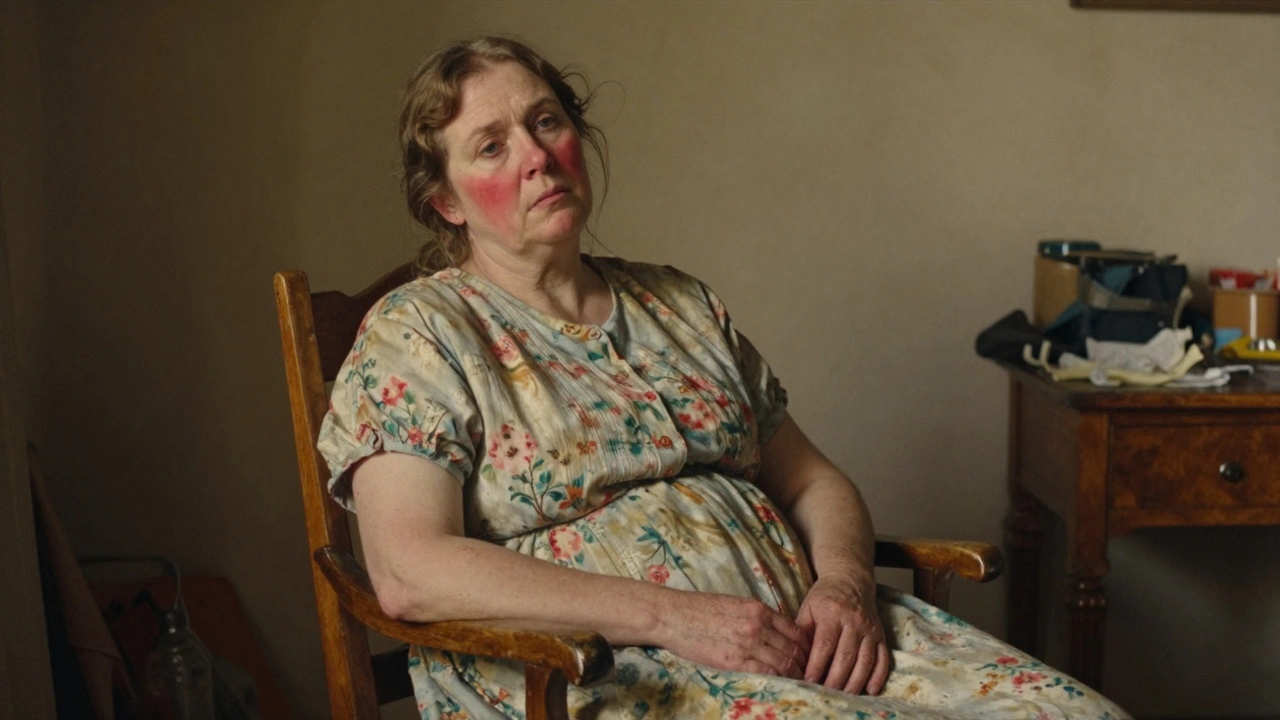
Where you place the face changes everything. A portrait centered on the canvas feels formal, almost ceremonial. Off-center? It feels intimate, like you’re catching someone unaware. A head tilted slightly to the side suggests vulnerability. A straight-on gaze feels confrontational.
Look at the difference between John Singer Sargent’s Madame X and Frida Kahlo’s self-portraits. Sargent’s subject is poised, elegant, isolated in dark velvet. Kahlo fills the frame with her own face, surrounded by symbols of pain and identity. Both are portraits. Both are powerful. But one speaks to society’s expectations. The other speaks to survival.
Backgrounds matter too. A blurred, neutral background focuses attention on the face. A detailed interior tells you about the person’s world. A plain wall says, “This is all there is.” A cluttered room says, “This is who I am.”
A great portrait doesn’t just show a person. It shows their space. Their silence. Their history.
Texture and Brushwork Reveal Character
Think about how a face feels. Skin isn’t smooth. It’s uneven. Wrinkles aren’t lines-they’re valleys shaped by time. Cheeks have a softness that gives way to bone. A great portrait painter doesn’t smooth all that out. They let the brush speak.
Rembrandt used thick, impasto strokes for the highlights on a forehead. He left the shadows thin and transparent. That contrast didn’t just show light-it showed age, weight, resilience. Egon Schiele’s portraits are all jagged lines and raw, exposed skin. You don’t just see his subjects-you feel their nervous energy.
When you paint a portrait, your brushwork is your voice. Smooth blending says control. Visible brushstrokes say honesty. Heavy texture says struggle. Delicate washes say fragility. The way you handle paint is just as important as the face you’re painting.
Emotion Is the Final Ingredient
Here’s the truth no tutorial will tell you: a portrait isn’t great because it looks real. It’s great because it makes you feel something.
That feeling might be sadness. It might be recognition. It might be discomfort. It might be awe. But if you look at a portrait and feel nothing, it’s not a portrait. It’s a drawing.
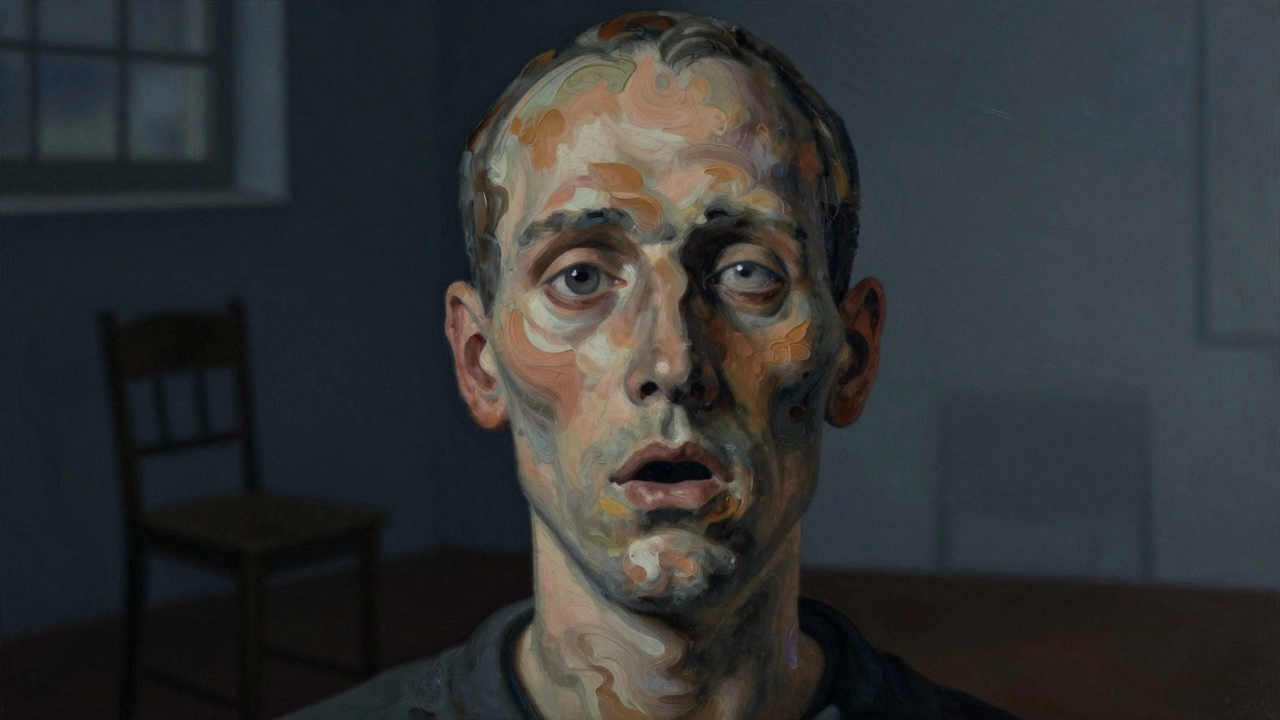
Look at the portraits of Francis Bacon. His figures are twisted, blurred, screaming. They don’t look like real people. But they feel more human than any photograph. Why? Because they capture the inner chaos we all hide.
A great portrait doesn’t flatter. It reveals. It doesn’t please. It unsettles. It doesn’t say, “This is who I am.” It says, “This is what it feels like to be me.”
That’s why some of the most powerful portraits are of people you’ve never heard of. A child staring out a window. An elderly woman holding a teacup. A soldier with his helmet off. They’re not famous. But they’re unforgettable. Because someone saw them. And painted them like they mattered.
It’s Not About Technique. It’s About Attention.
You can learn to mix colors. You can study anatomy. You can copy every brushstroke from the Old Masters. But none of that matters if you’re not truly looking.
A great portrait is made when the artist stops thinking about paint and starts thinking about the person. When they notice how the light catches a scar. When they hear the hesitation in the subject’s breath. When they realize this isn’t a subject-it’s a soul.
That’s what makes a portrait great. Not the brush. Not the canvas. Not the style. But the quiet, unwavering attention of the person behind the easel.
Can a portrait be great without showing the eyes clearly?
Yes. Some of the most powerful portraits hide or obscure the eyes-like Edward Hopper’s Nighthawks or Lucian Freud’s profile views. What matters isn’t visibility, but emotional presence. If the face still communicates feeling-even through a turned head or shadowed gaze-it can still be deeply moving.
Do I need to paint from life to make a great portrait?
Not necessarily, but it helps. Photographs freeze a moment. Life gives you movement, change, and unconscious gestures-the subtle shifts in expression that reveal true character. Many artists use photos as a starting point, but return to live sittings to capture what the camera misses: the breath, the pause, the flicker of thought.
Is realism necessary for a great portrait?
No. Realism is just one approach. Francis Bacon, Alice Neel, and Käthe Kollwitz painted in styles far from realistic, yet their portraits are among the most emotionally powerful in history. What matters is authenticity-not accuracy. A distorted face can feel truer than a perfect likeness if it captures the inner state of the person.
How long does it take to paint a great portrait?
There’s no set time. Some portraits are completed in a few hours. Others take months. The difference isn’t speed-it’s depth. A portrait painted quickly can be powerful if the artist has spent years learning to see. A slow portrait can feel empty if the artist is just going through the motions. It’s not about hours. It’s about attention.
What’s the most common mistake in portrait painting?
Trying to make the subject look perfect. Great portraits aren’t about beauty or flattery. They’re about truth. The most common mistake is smoothing out wrinkles, erasing blemishes, or forcing a smile. That doesn’t make the person more likable-it makes them less real. The best portraits show the weight of life, not its polish.