Art Market Value & Inflation Calculator
Preset Masterpieces
Select a famous sale to load its details:
Calculator Inputs
Valuation Results
Original Price
-
Adjusted Value
-
Imagine looking at a face in a painting and realizing that single image is worth more than most people will earn in ten lifetimes. That’s the reality of the high-end art market today. When we ask what is the most expensive self-portrait, we aren’t just talking about a pretty picture. We are talking about historical significance, scarcity, and the intense rivalry between collectors who treat masterpieces like financial assets.
The answer to this question isn’t as simple as pointing to one canvas on a wall. The art world operates in two distinct spheres: the public auction block and the private sale. In auctions, we have receipts. In private deals, we have rumors and estimates. This distinction matters because the highest price ever paid for a self-portrait likely happened behind closed doors, far from the gavel of an auctioneer.
The Public Record Holder: Van Gogh’s Intense Gaze
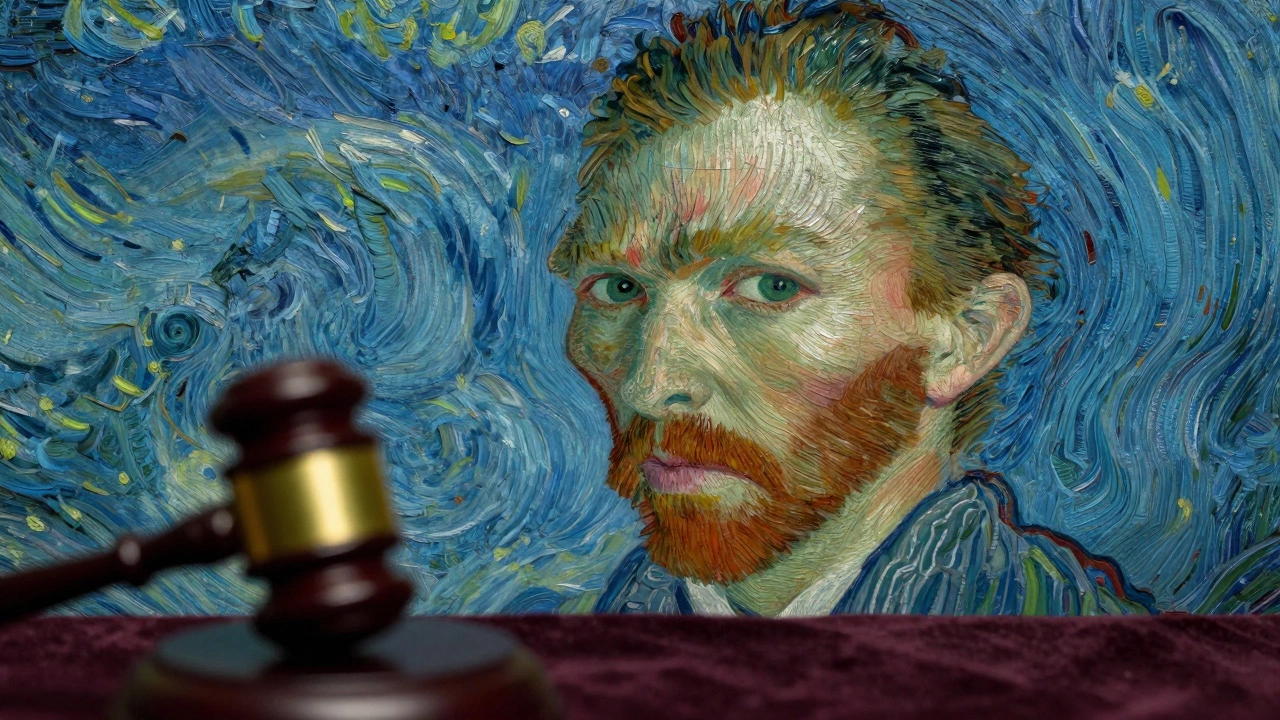
If you need a number with a paper trail, the title belongs to Vincent van Gogh. His work defines the Post-Impressionist movement, and his self-portraits are some of the most recognized images in human history. Specifically, it is the version titled "Self-Portrait" painted in 1889, often referred to as the "Bandaged Ear" portrait.
In May 1997, this painting sold at Christie’s New York for $71.5 million. At the time, this was a staggering sum. It shattered previous records and signaled a shift in how the market valued modern masters. But here is the catch: inflation. If you adjust that 1997 figure for inflation to today’s dollars (2026), it sits closer to $140 million. Still massive, but not the ceiling.
Why did this specific painting command such a high price? It wasn’t just because Van Gogh signed it. It was the narrative. This was painted shortly after he severed part of his ear. It captures a moment of profound psychological turmoil and physical pain. Collectors don’t just buy paint; they buy the story behind the brushstrokes. The provenance-the documented history of ownership-was impeccable, tracing back through reputable galleries and collections, which reduces risk for high-net-worth buyers.
The Private Market Giants: Kahlo and Dalí
While Van Gogh holds the auction record, the private market is where the real money moves. Private sales are confidential by design. Buyers and sellers negotiate directly, often through elite brokers like Sotheby’s or Christie’s private sales divisions. Because these transactions aren’t public, exact figures are rarely confirmed, but industry insiders provide strong estimates.
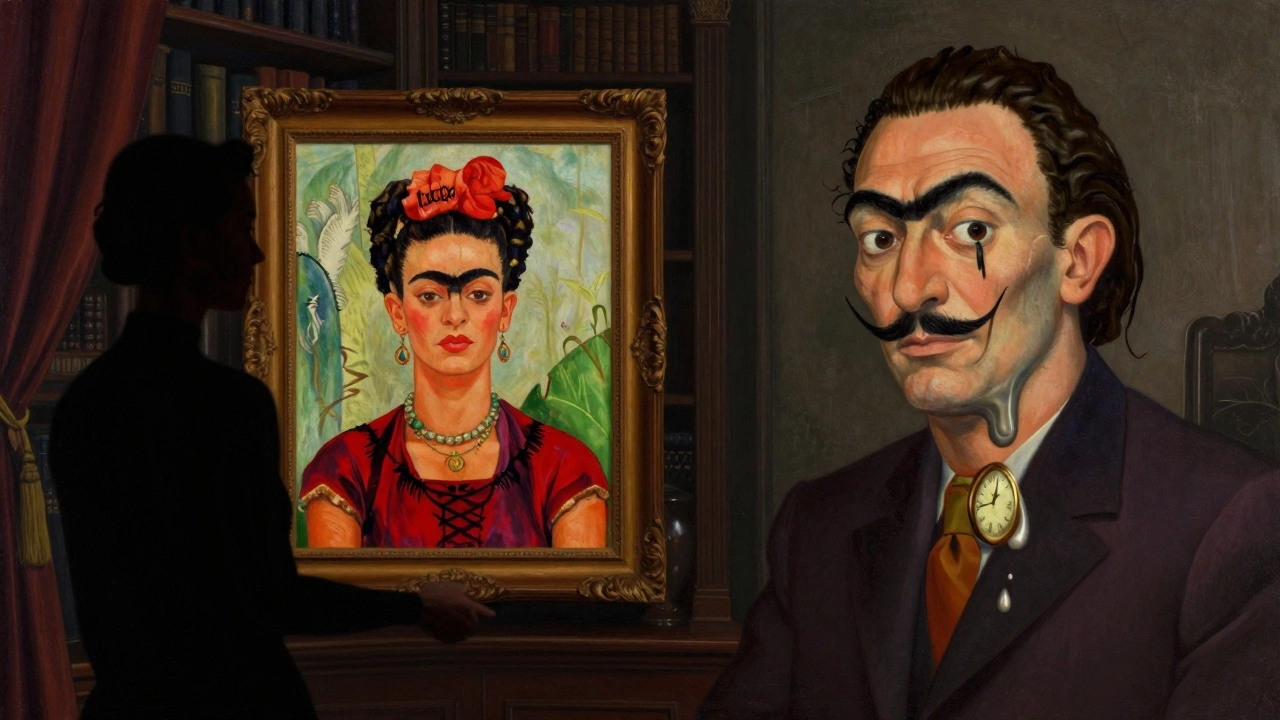
Frida Kahlo is arguably the most valuable female artist in history, and her self-portraits are central to her legacy. Her 1939 masterpiece, "Diego and I," is frequently cited as having sold for between $35 million and $50 million in a private transaction. While this might seem lower than Van Gogh’s auction result, remember that Kahlo produced fewer works than many male contemporaries, making each piece incredibly scarce. Her self-portraits are not just art; they are cultural icons representing resilience, identity, and pain.
Then there is Salvador Dalí, the Surrealist master known for his flamboyant personality and melting clocks. Dalí’s self-portraits are rarer than Kahlo’s. He only painted a handful of them. One particular self-portrait, created around 1923, is rumored to have changed hands for over $50 million in a private deal. Dalí understood the power of branding himself. His self-images were carefully constructed performances, blending myth with reality. For collectors, owning a Dalí self-portrait is like owning a piece of his eccentric genius.
Why Are Self-Portraits So Valuable?
You might wonder why a person painting themselves commands higher prices than landscapes or still lifes. It comes down to three factors: intimacy, scarcity, and ego.
- Intimacy: A self-portrait offers a direct window into the artist’s psyche. You see how they saw themselves at a specific moment in time. This emotional connection drives demand among serious collectors who want to feel close to the creator.
- Scarcity: Many artists only paint a few self-portraits. Rembrandt made dozens, yes, but even he had limits. Artists like Kahlo or Dalí produced very few. When supply is low and demand is high, prices skyrocket.
- Ego and Legacy: Artists use self-portraits to control their public image. These works are often their most polished, most intentional pieces. They represent the artist’s best effort to define their own legacy.
Furthermore, self-portraits are easier to authenticate. Experts can compare facial features, style, and technique against known works. This reduces the risk of forgery, which is a major concern in the multi-billion dollar art market.
The Role of Provenance and Authentication
In the art world, a painting is only as good as its history. Provenance refers to the chain of ownership. If a self-portrait has been owned by a famous museum, a renowned collector, or featured in a major exhibition, its value increases significantly. Think of it like a luxury watch: if you can prove it belonged to a celebrity, it’s worth more.
Authentication is equally critical. For artists like Van Gogh or Rembrandt, experts spend years verifying signatures, pigments, and canvas types. A fake self-portrait is worthless. A genuine one is priceless. This process involves scientific analysis, such as carbon dating and pigment testing, combined with stylistic evaluation by leading scholars.
| Artist | Painting Title | Sale Type | Estimated Price (USD) | Key Factor |
|---|---|---|---|---|
| Vincent van Gogh | Self-Portrait (1889) | Auction (Christie’s) | $71.5 Million (1997) | Historical Narrative |
| Frida Kahlo | Diego and I (1939) | Private Sale | $35-$50 Million (Est.) | Scarcity & Cultural Icon |
| Salvador Dalí | Self-Portrait (c. 1923) | Private Sale | $50+ Million (Rumored) | Rarity & Branding |
| Rembrandt | Self-Portrait (various) | Museum/Private | Priceless / Undisclosed | Volume & Mastery |
The Rise of Contemporary Self-Portraiture
It’s not just old masters holding the crown. Contemporary artists are also pushing boundaries. Andy Warhol revolutionized the concept of self-portraiture by mass-producing his own image. While his individual self-portraits haven’t hit the $100 million mark yet, his overall market value is astronomical. His ability to blend pop culture with personal identity paved the way for today’s digital influencers.
Today, artists like Yayoi Kusama use self-representation in immersive installations rather than traditional canvases. Her work challenges the definition of what a self-portrait can be. As the art market evolves, we may see new records set by living artists whose work resonates with younger, wealthier collectors.
Investment vs. Passion: Why People Buy
Who buys these paintings? It’s usually a mix of billionaires, hedge fund managers, and sovereign wealth funds. For them, art is an alternative asset class. It doesn’t correlate with the stock market. It can hide wealth. It provides status. But let’s be honest: most buyers genuinely love the art. They spend decades building collections. Buying a record-breaking self-portrait is the ultimate trophy.
However, there are risks. The art market is illiquid. You can’t sell a painting instantly like a stock. Values can fluctuate based on trends. A painting that was hot in 2020 might be less desirable in 2030. Due diligence is essential. Always consult experts before investing millions.
How to Spot a High-Value Self-Portrait
If you’re curious about entering the art market, start small. Look for emerging artists who are gaining traction in galleries. Watch auction results closely. Read catalogues raisonnés-comprehensive lists of an artist’s works. These documents help verify authenticity and track market performance.
Don’t forget condition. A damaged painting loses value. Proper storage, lighting, and conservation are crucial. Insurance costs add up. Ownership is a responsibility, not just a privilege.
The Future of Art Valuation
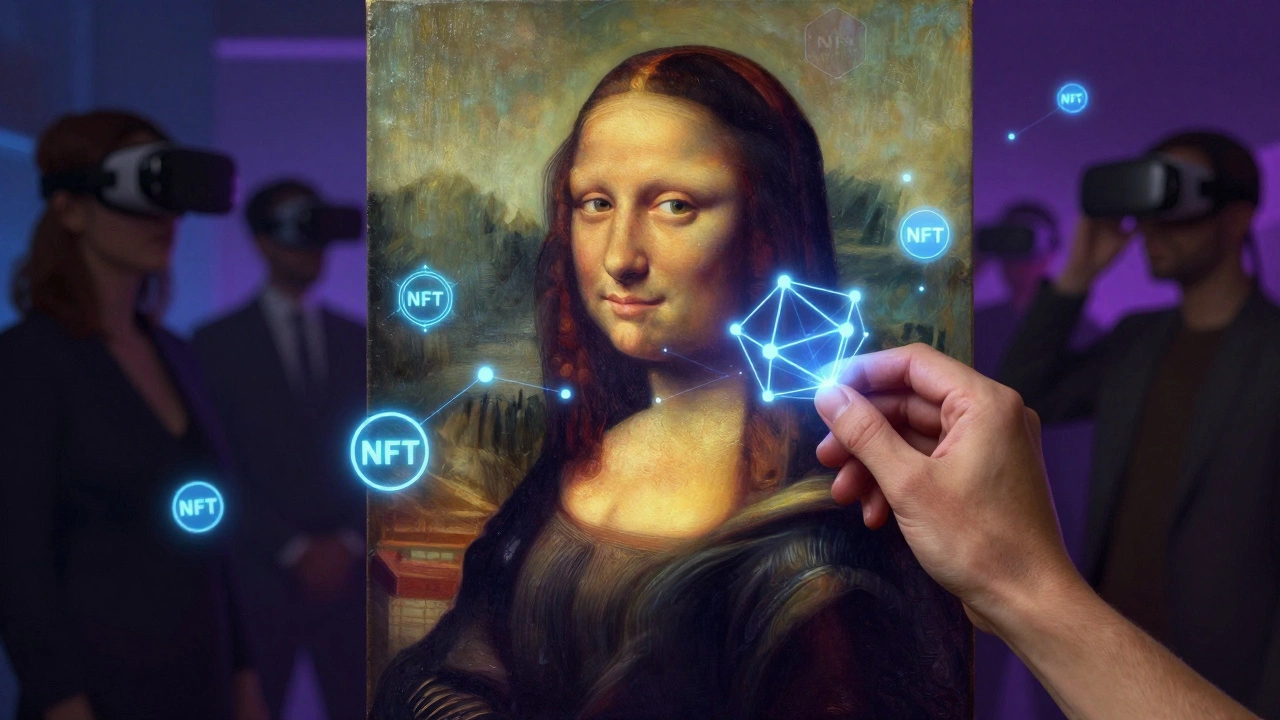
Technology is changing how we view and value art. Blockchain technology allows for transparent provenance tracking via NFTs (Non-Fungible Tokens). While controversial, this could democratize access to art ownership. Virtual reality lets us experience self-portraits in immersive ways. The lines between physical and digital are blurring.
As AI generates hyper-realistic images, the human touch becomes even more valuable. Hand-painted self-portraits will likely retain their prestige because they represent genuine human effort and emotion. Machines can mimic style, but they cannot replicate the soul behind the brush.
What is the most expensive self-portrait ever sold at auction?
The most expensive self-portrait sold at auction is Vincent van Gogh's "Self-Portrait" from 1889, which fetched $71.5 million at Christie's in 1997. Adjusted for inflation, this would be approximately $140 million today.
Are there any self-portraits worth more than Van Gogh's?
Yes, potentially. In the private market, works by Frida Kahlo and Salvador Dalí are rumored to have sold for upwards of $50 million, possibly exceeding Van Gogh's adjusted auction price. However, exact figures are not publicly disclosed.
Why are self-portraits so valuable?
Self-portraits are valuable due to their intimacy, scarcity, and the artist's direct involvement in defining their own legacy. They offer a unique psychological insight and are often easier to authenticate, reducing investment risk.
Does inflation affect art prices?
Absolutely. Art prices from past decades must be adjusted for inflation to understand their true current value. A $71.5 million sale in 1997 is significantly more impactful when viewed in today's economic context.
Can contemporary artists break these records?
Yes. Artists like Andy Warhol and Yayoi Kusama have established massive markets. As new generations of wealthy collectors emerge, contemporary self-portraiture could see record-breaking sales, especially with the integration of digital and physical art forms.