Art Exhibition Guest List Builder
Add Your Invitees
Your Current List
Priority Guide
Recommended Guest List
Hosting your first art exhibition feels like standing at the edge of a stage with your whole heart on display. You’ve spent months painting, sculpting, or assembling your work. Now comes the real question: who should I invite to my art exhibition? It’s not about filling chairs. It’s about creating the right energy-the kind that turns quiet viewing into meaningful conversations, connections, and opportunities.
Start with the people who already get your work
Don’t waste energy on strangers who won’t see the point. Begin with your core circle: friends, family, fellow artists, and mentors who’ve followed your journey. These are the people who’ve seen your sketches, heard your rants about color choices, and still showed up when you needed feedback. Their presence isn’t just support-it’s validation. When someone who’s watched your growth over years stands in front of your piece and says, “I can see how far you’ve come,” that’s the kind of moment that fuels you for the next project.These guests also act as your first audience. They’ll give you honest reactions-not the polite “it’s nice” kind, but the real ones. Did they pause? Did they lean in? Did they ask why you used that texture? Their feedback helps you understand what’s working before the bigger crowd arrives.
Invite other artists, not just fans
Artists don’t just make art-they build scenes. Invite painters, photographers, ceramicists, and digital creators you admire. They’re not here to buy (not yet, anyway). They’re here to connect. Art is rarely made in isolation. The person who makes abstract textile sculptures might see a shared technique in your brushwork. The photographer who shoots urban decay might recognize your color palette in their own work. These connections lead to collaborations, group shows, studio swaps, and even future gallery referrals.Don’t just invite people you know. Reach out to artists whose work you respect. A simple message works: “I’ve been inspired by your recent show at [gallery]. I’m hosting my own exhibition on [date] and would love for you to come. No pressure-just thought you’d appreciate the space.” Most artists will say yes. They’re just as lonely in their studios as you are.
Bring in local art buyers and collectors
This is where things get practical. You need people who can turn your art into income. But don’t just send invites to every rich person you know. Look for those who already collect work similar to yours. Check local galleries’ past exhibition lists. Who bought from the last emerging artist show at the downtown gallery? Who’s featured in the regional art collector newsletter? Who follows local art blogs?Find their names. Then find their names again-on Instagram, on art fair attendee lists, on community art council rosters. Send them a personal note. Not a generic email. Say: “I noticed you collected Maria Chen’s ceramic pieces last year. My new series uses similar glazing techniques-just in oil. I’d be honored if you could stop by on [date].” Specificity shows you’ve done your homework. And collectors notice that.
Don’t forget curators and gallery owners
They’re not just gatekeepers-they’re your future allies. A curator who sees your work in a raw, honest setting might think, “This artist has potential. Let’s bring them into our next group show.” A gallery owner might realize their next solo exhibition slot fits your style perfectly.Target small to mid-sized galleries first. They’re more likely to attend local events than big-name institutions. Research who’s currently showing artists with a similar aesthetic. Send them a printed invitation-yes, physical mail still stands out. Include a small artist statement on the back. No fluff. Just: “This body of work explores isolation through layered textures. I’ve used reclaimed wood and mixed media to reflect urban decay.”
Invite local press and cultural bloggers
Your exhibition isn’t just for people who show up-it’s for people who write about it. Local newspapers, arts magazines, university journals, and even niche blogs can amplify your reach. Don’t wait for them to find you. Send a press release with high-res images, your bio, and the exhibition details. Make it easy: include dates, times, location, and a short quote from you about why this show matters.Focus on outlets that actually cover local art. Don’t waste time on the city’s main newspaper if they only review blockbuster museum shows. Look for hyperlocal blogs like “Brooklyn Art Notes” or “Midwest Makers Weekly.” These are the voices that shape local reputation. One positive review can lead to three more invites from other artists, collectors, or even schools wanting to bring students.
Invite students and art teachers
Art schools and community colleges are goldmines. Students are hungry for real-world exposure. Teachers are looking for guest speakers or field trip opportunities. Invite local art departments. Offer a short 10-minute talk during the opening-just walk through your process, your struggles, your “aha” moments. You don’t need to be polished. Just be real.One art teacher from a public high school invited her whole class after seeing your work. Three months later, one of her students sent you a letter saying your exhibition made them decide to apply to art school. That’s the ripple effect.
Who NOT to invite
Not everyone deserves a spot on your guest list. Avoid people who:- Only show up to events for free wine and hors d’oeuvres-with no interest in the art
- Have a history of being dismissive or overly critical without offering insight
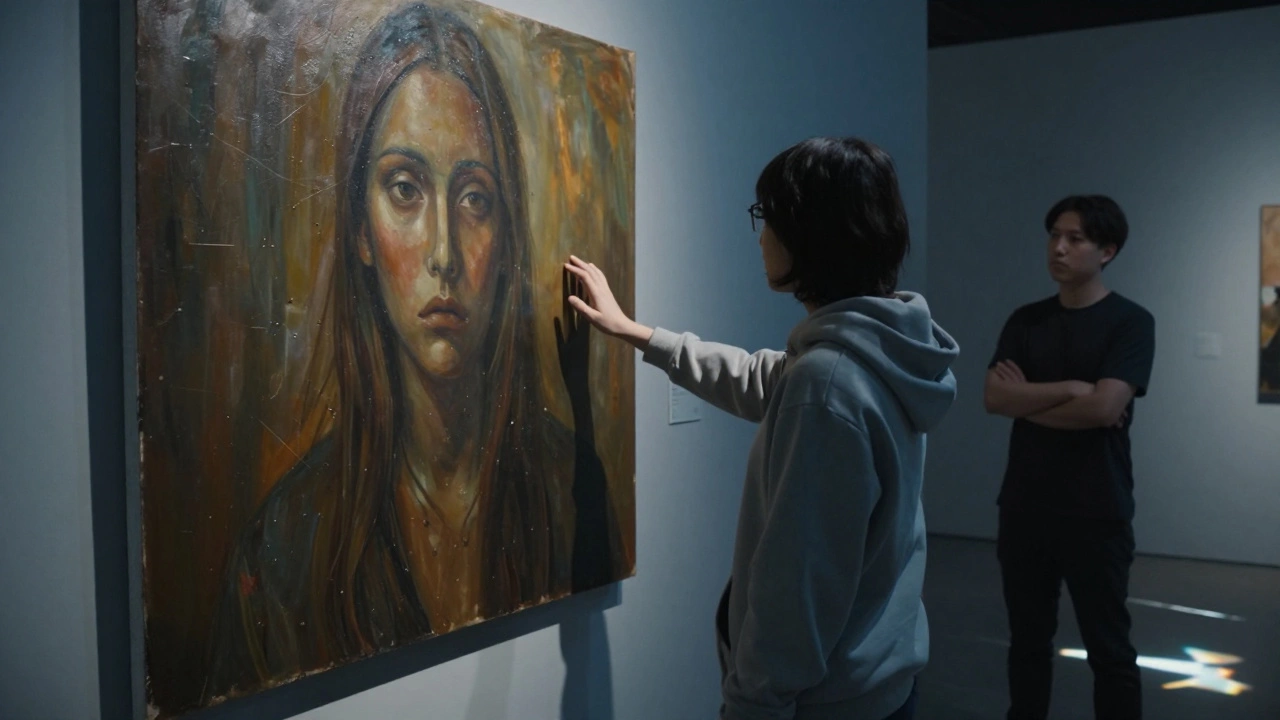
- Don’t respect boundaries (e.g., touch your work, take photos without permission, demand discounts)
- Are only interested in networking for their own gain, with zero interest in your practice
Your exhibition is not a networking mixer. It’s a quiet, intentional space. Protect its energy.
Build your guest list around intention, not size
You don’t need 200 people. You need 20 who care. One collector who buys a piece. One curator who invites you to a group show. One student who changes their path because of what they saw. That’s success.Think of your guest list like a garden. Plant seeds in fertile soil. Don’t scatter them on concrete. Your best guests aren’t the loudest. They’re the ones who linger. Who ask questions. Who come back a second time.
Follow up after the show
The work doesn’t end when the lights go off. Send a thank-you note-personalized, handwritten if possible. Mention something specific: “Thanks for staying to talk about the texture in ‘Winter Hollow.’ I’m working on a new series using the same technique.”Keep a simple spreadsheet: Name, how you met them, what they said, if they bought, if they shared your work, if they connected you with someone else. This isn’t CRM software. It’s your art community map.
Two months later, you’ll get a message from someone you invited: “I showed your work to my cousin who runs a small gallery in Portland. She wants to see more.” That’s the moment your exhibition stops being an event-and starts becoming a career.
Should I invite my ex-partner to my art exhibition?
If your relationship ended on bad terms, or if their presence would make you anxious, uncomfortable, or distracted-don’t invite them. Art exhibitions are emotional spaces. You’re already vulnerable. Don’t add unnecessary stress. Your work deserves to be seen without emotional baggage. If you’re unsure, ask a trusted friend: “Would their presence help or hurt the energy?”
How many people should I invite?
There’s no magic number. A small show in a 500-square-foot space might only hold 30 people comfortably. Focus on quality over quantity. Invite 20-40 people who truly matter: artists, collectors, curators, students, and close supporters. Too many guests turn your exhibition into a party. Too few can feel lonely. Aim for enough to create warmth, not noise.
Is it okay to invite people I don’t know personally?
Yes-but only if you’ve done your research. If you’ve followed a curator’s work for years, or if a collector has bought similar art, it’s fine to invite them. Just make sure your invitation feels personal. Mention something specific about their past support or taste. Generic invites get ignored. Thoughtful ones get remembered.
Do I need to invite my art school professors?
If they’ve supported you, gave you feedback, or helped you grow, then yes. They’ve invested in you. But don’t invite them out of obligation. Invite them because you value their perspective. And if they haven’t been involved in your journey? It’s fine to skip them. Your exhibition is about your current voice, not your past classrooms.
Should I invite influencers or social media creators?
Only if their audience aligns with your art. A lifestyle influencer with 50K followers who posts about coffee shops won’t help if your work is abstract and conceptual. But a local art blogger with 5K followers who reviews emerging artists? That’s valuable. Look for reach that matches relevance-not just numbers.
Next steps: Build your list today
Grab a notebook or open a blank document. Write down three names: someone who believes in you, someone whose work inspires you, and someone who buys art. Now write three more: a curator, a teacher, a local writer. That’s your core. Add ten more based on who you’ve seen at other shows. That’s your list. Send invites this week. Don’t wait for perfect. Just start.Your art matters. The right people will see that. And they’ll be there-not because you begged them, but because you made something worth showing up for.