Music Emotion Calculator
Discover how music elements trigger emotional responses based on neuroscience research from the article. Adjust sliders to see how tempo, key, lyrics, and build-up patterns affect emotional intensity.
Your Emotional Response Estimate
Why You Feel This Way
Your score is high because you selected slow tempo (90 BPM), minor key, sad lyrics, and build-up pattern. According to the article, these elements mimic human emotional cues (like sobbing breathing patterns) and activate the same brain regions as real-life sadness, creating what researchers call "aesthetic chills".
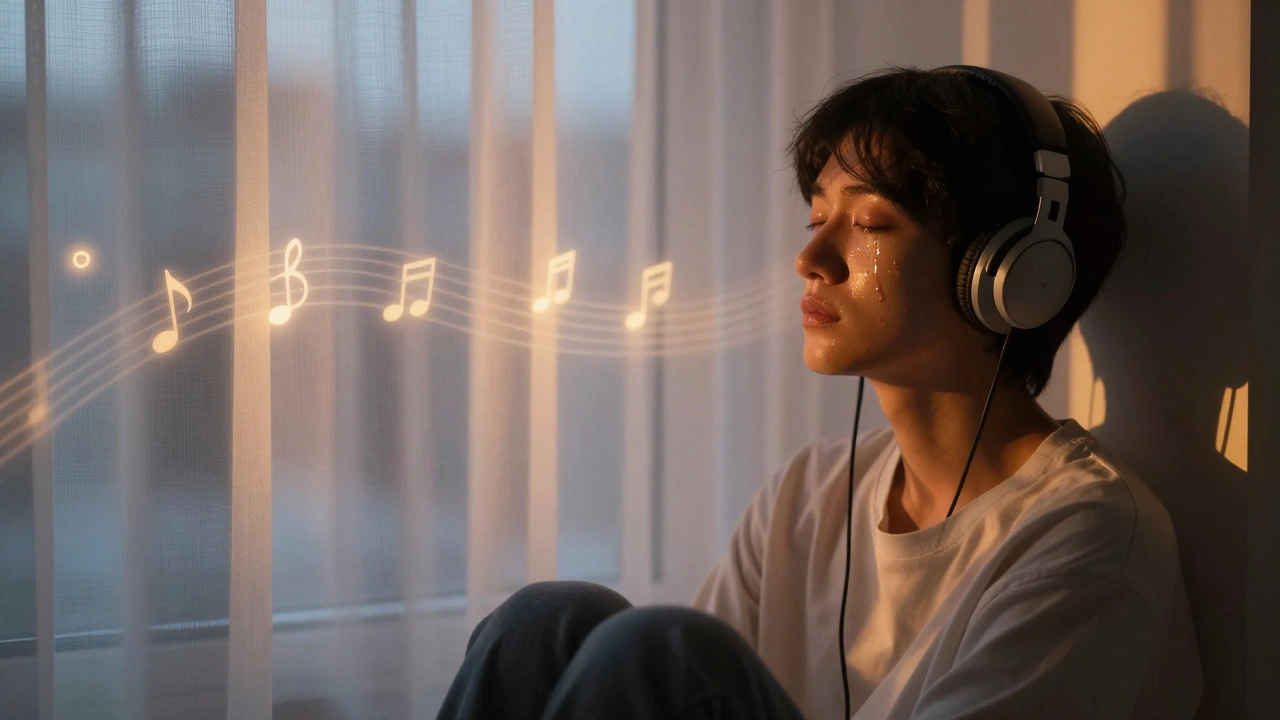
Have you ever been listening to a song-maybe something soft, slow, or even familiar-and suddenly your eyes fill up? No warning. No reason you can put into words. Just a wave of feeling so strong it breaks through your control. You’re not broken. You’re not weak. You’re human. And music has a direct line to the part of your brain that handles emotion, memory, and even physical sensation.
Music triggers your brain’s reward system
When you hear a song that moves you, your brain releases dopamine-the same chemical activated by eating chocolate, falling in love, or winning money. A 2011 study at McGill University scanned people’s brains while they listened to music that gave them chills. The researchers found dopamine spikes right before the emotional peak of a song, not just during it. That’s why the buildup matters as much as the climax. Your brain anticipates the moment it knows will hit hard, and it rewards you for waiting.
This isn’t just about happy music. Sad songs can trigger the same response. In fact, people often report feeling comforted, even uplifted, by melancholy melodies. That’s because your brain doesn’t distinguish between real sadness and simulated sadness. A minor key, a slow tempo, or a voice cracking on a high note can activate the same neural pathways as a real-life loss. You’re not crying because something bad happened. You’re crying because your brain is responding to a pattern it recognizes as emotionally significant.
Your memories are wired to specific songs
Music doesn’t just play in your ears-it plays in your past. The hippocampus, the part of your brain responsible for memory, is deeply connected to the auditory cortex. That’s why a song from your teenage years can suddenly flood you with feelings from a summer you haven’t thought about in 15 years. It’s not nostalgia. It’s neuroscience.
Studies show that music from our teens and early twenties is especially powerful. That’s when our brains are forming identity, experiencing first loves, and building emotional blueprints. A song from that time isn’t just a tune-it’s a timestamp. When you hear it again, your brain doesn’t just recall the event. It relives the feeling. And if that feeling was intense-joy, heartbreak, loneliness-it can overwhelm you.
Think about the last time you heard a song from a funeral, a breakup, or a quiet moment alone. You didn’t just remember it. You felt it again. That’s not weakness. That’s your brain honoring what mattered.
Music mimics human emotion in sound
Human voices cry, tremble, sigh, and break. Music learned to copy that. Composers and songwriters have spent centuries studying how to make instruments sound like we do when we’re emotional.
A violin held too long, a voice that cracks on a high note, a piano note that lingers after the key is released-these aren’t accidents. They’re tools. Researchers at the University of California found that music that makes people cry shares three key traits: slow tempo, descending melodies, and dynamic swells (like a quiet start that builds to a loud climax). These mimic the physical signs of sobbing: slow breathing, sinking shoulders, and sudden bursts of feeling.
Even silence matters. The space between notes can feel heavier than the notes themselves. Think of the pause right before the final chorus of a ballad. That’s not empty. It’s loaded. Your brain fills it with everything you’ve been holding back.
Empathy isn’t just for people-it’s for melodies
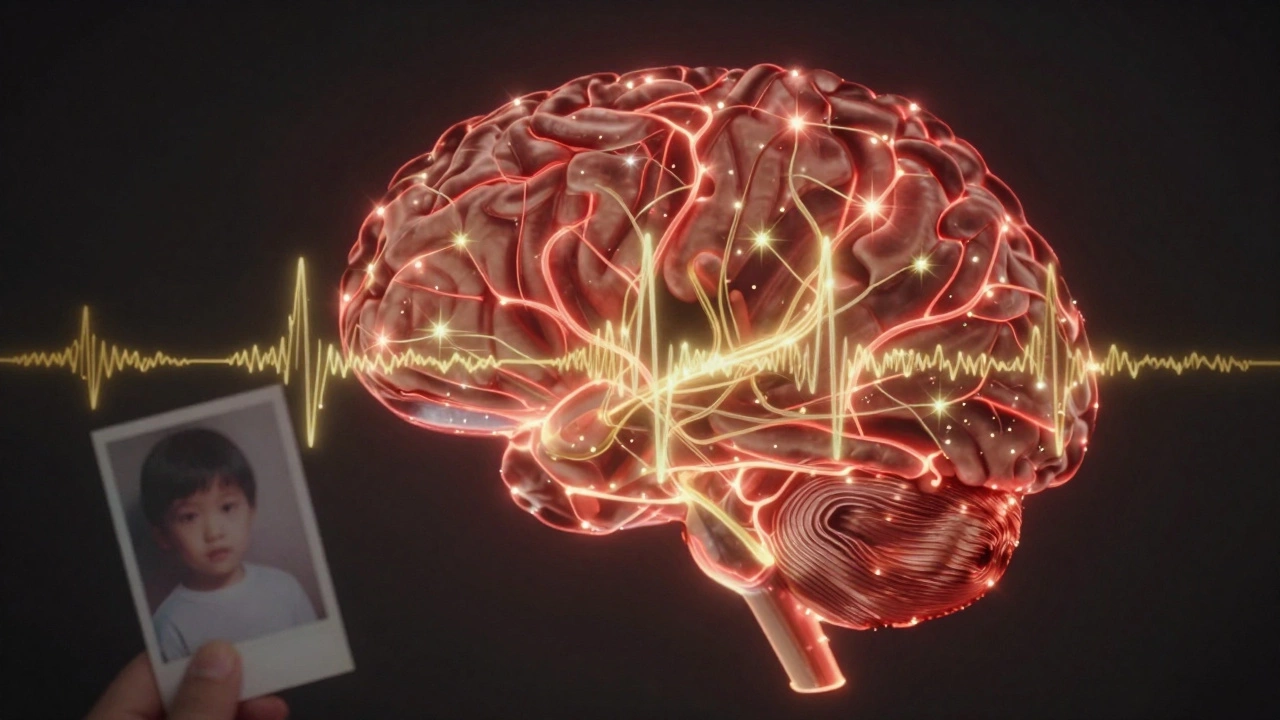
When you cry to music, you’re not just reacting to sound. You’re empathizing with it. Your brain activates the same regions when you listen to a sorrowful song as when you watch someone else cry. You don’t know the artist. You’ve never met them. But you feel their pain as if it’s yours.
This is called musical empathy. It’s why a song written by a stranger in another country can make you weep. Your brain doesn’t need context. It just needs authenticity. A raw vocal, a trembling string, a lyric that says exactly what you’ve never been able to say-it doesn’t matter if it’s about a lost lover or a dead pet. It resonates because it feels true.
That’s why covers sometimes hit harder than originals. When someone else sings a song you love, you’re not just hearing the melody-you’re hearing their version of the pain. And sometimes, that version feels more honest than the one you knew.
Music helps you process what you can’t say
There are feelings too heavy to name. Grief without a face. Loneliness without a cause. Regret that won’t leave you alone. Music gives those feelings a shape. A melody becomes a container for what you can’t articulate.
Neurologist Oliver Sacks wrote about patients with dementia who couldn’t remember their own names but could still sing every lyric of songs from their youth. Music bypasses the parts of the brain that store facts. It goes straight to the emotional core. That’s why, even when words fail, music doesn’t.
When you cry to music, you’re not losing control. You’re finally letting go. The song gives you permission to feel what you’ve been holding in. It doesn’t fix anything. But it makes you feel less alone.

It’s not just sadness-music can make you cry with joy
Not all tears from music come from pain. Some come from overwhelming beauty. A choir singing in harmony. A soloist hitting a note so pure it feels like light. A crescendo that lifts you out of your seat.
These are called “aesthetic chills”-a physical response to something so moving it triggers goosebumps, tears, and even a rush of warmth. Unlike sadness-induced tears, these are linked to feelings of awe, wonder, and transcendence. They’re often tied to moments of connection-like hearing a song at a wedding, a graduation, or a quiet moment with someone you love.
Scientists call this “positive emotional contagion.” You’re not crying because you’re sad. You’re crying because you’re deeply moved. And that’s just as valid. Maybe even more so.
Why do some people cry and others don’t?
Not everyone reacts this way. And that’s okay. People who cry easily to music tend to score higher on personality traits like openness to experience and emotional sensitivity. They’re more likely to notice small changes in tone, texture, and dynamics. They feel things deeply-not just in music, but in life.
But that doesn’t mean if you don’t cry, you’re missing out. Some people feel the music in their chest, their stomach, their breath. Others get chills, or a lump in their throat. Some just sit still, eyes closed, and feel it in silence. There’s no right way to respond.
What matters is that the music lands somewhere inside you. Whether it brings tears, stillness, or a deep breath-it’s working.
What to do when music makes you cry
If you’re overwhelmed by emotion while listening, don’t fight it. Let it happen. Cry if you need to. Sit with it. Breathe. You’re not being dramatic. You’re being human.
Some people find comfort in writing down what they felt after a song hits hard. Others make playlists for different moods-songs for grief, songs for healing, songs for quiet moments. You don’t need to understand why it affects you. You just need to let it.
Music doesn’t ask for explanations. It doesn’t demand logic. It just shows up-and sometimes, that’s enough.