2025 October Art Trends: Digital Sales, Pricing, and Techniques
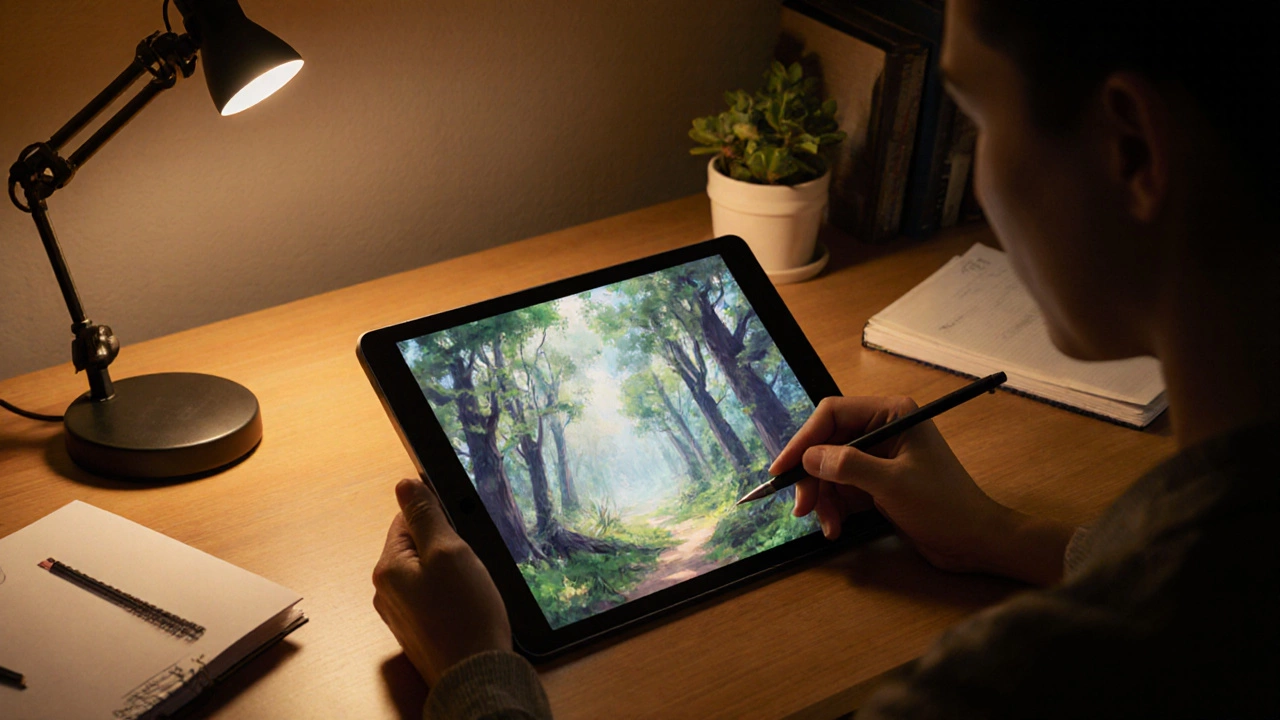
When you’re trying to make a living from art in 2025, digital art, original artwork created and distributed electronically, often sold as prints or NFTs. Also known as electronic art, it’s no longer just a side hustle—it’s a full-time career path for thousands of creators. But here’s the catch: owning a tablet and Photoshop doesn’t make you legal. You need to understand copyright, platform rules, and how to price your work so it actually sells. That’s what most artists were wrestling with this October.
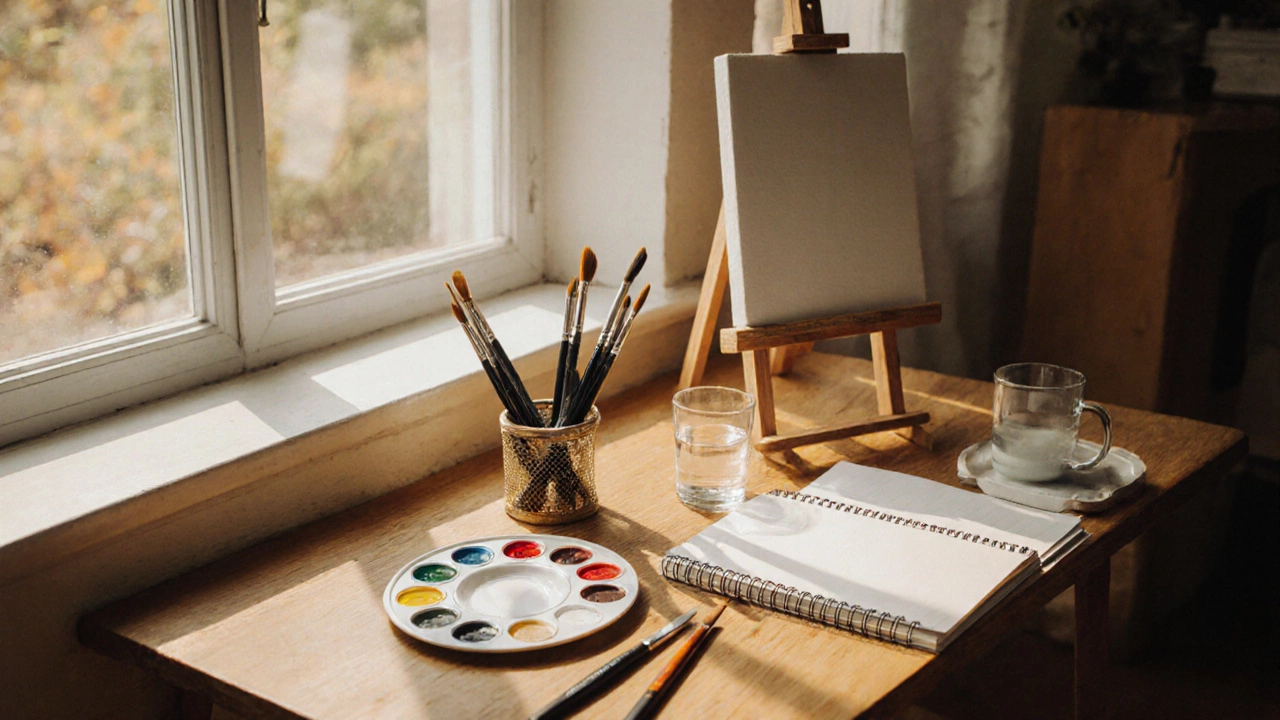
Behind every successful Etsy shop selling digital art, original artwork created and distributed electronically, often sold as prints or NFTs. Also known as electronic art, it’s a growing segment of the fine art market is someone who figured out how to avoid getting banned. No government license is needed—but if you don’t own the rights to your image, or you copy someone else’s style, Etsy will shut you down fast. Meanwhile, galleries and collectors are paying more attention to oil painting, a traditional medium using pigments mixed with drying oils, still dominant in high-value art markets. Also known as fine art painting, it remains one of the most sought-after forms for home decor and investment. In 2025, the best-selling sizes? 16x20 and 24x36 inches. Why? They fit modern walls and ship without custom crates. Artists who nailed this detail saw their sales jump.
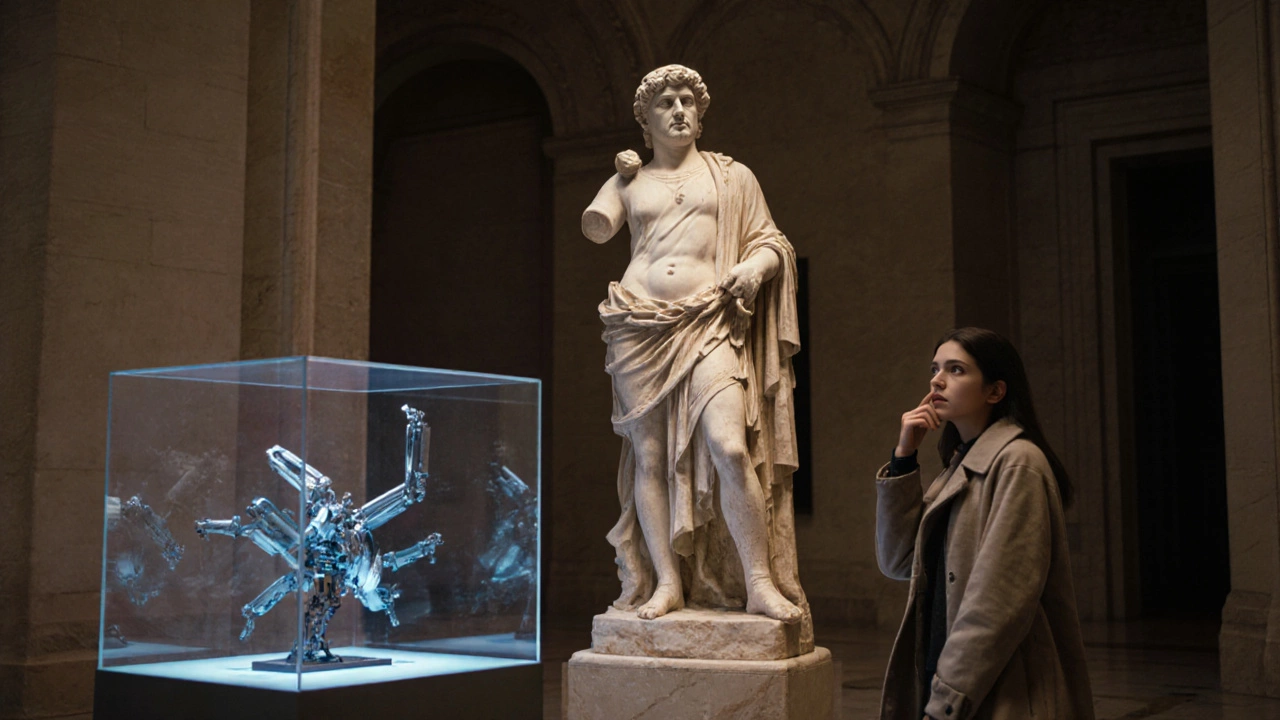
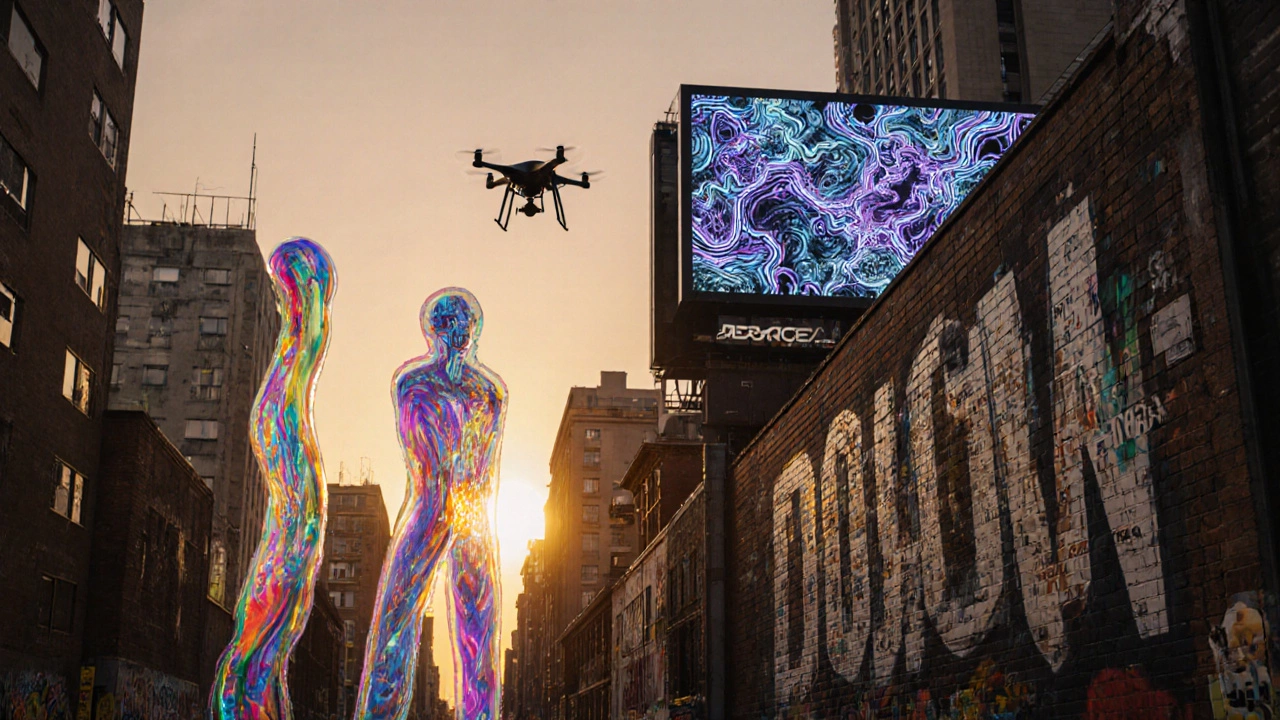
And it’s not just about technique—it’s about context. contemporary art, art made in the present era, often blending digital tools with traditional methods and social commentary. Also known as modern art, it’s the heartbeat of today’s cultural conversation isn’t just abstract splashes on canvas anymore. It’s AI-generated portraits, eco-art made from recycled materials, and street art that goes viral before it hits a gallery wall. This October, artists were asking: How do I stand out? How do I price my work so it feels fair but still profitable? How do I even begin with oil painting if I’ve only ever worked on a screen?
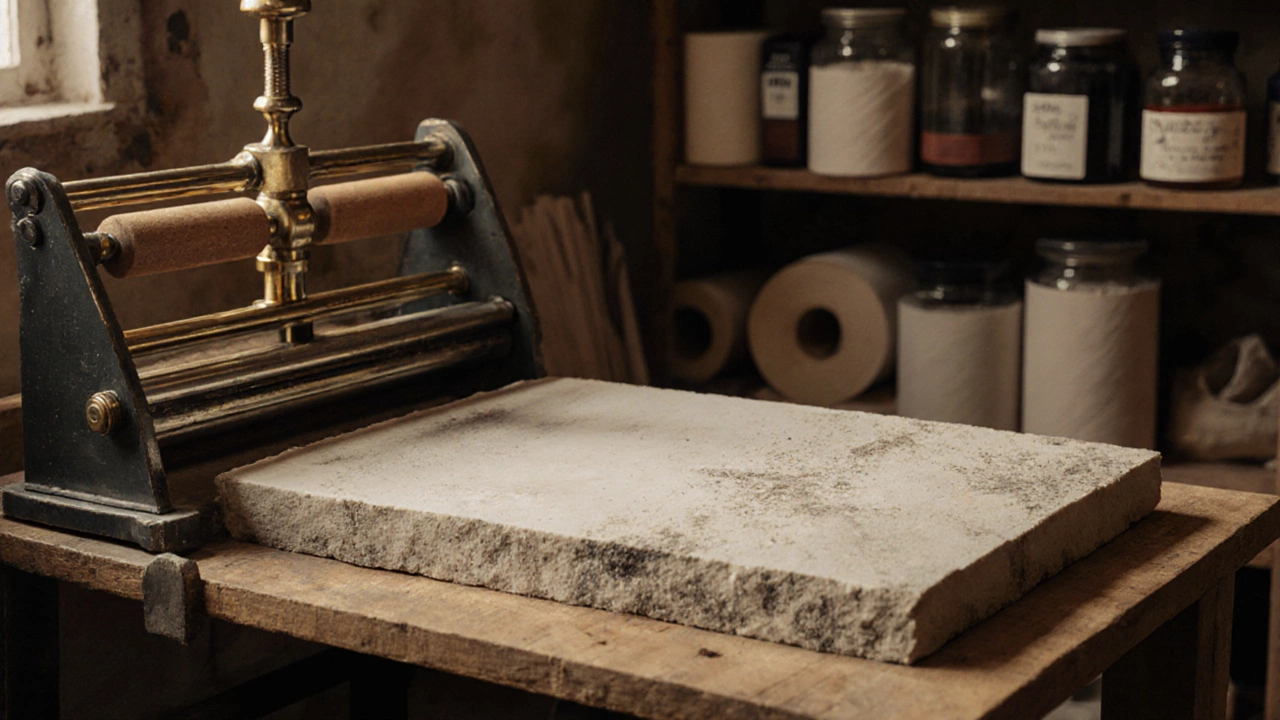
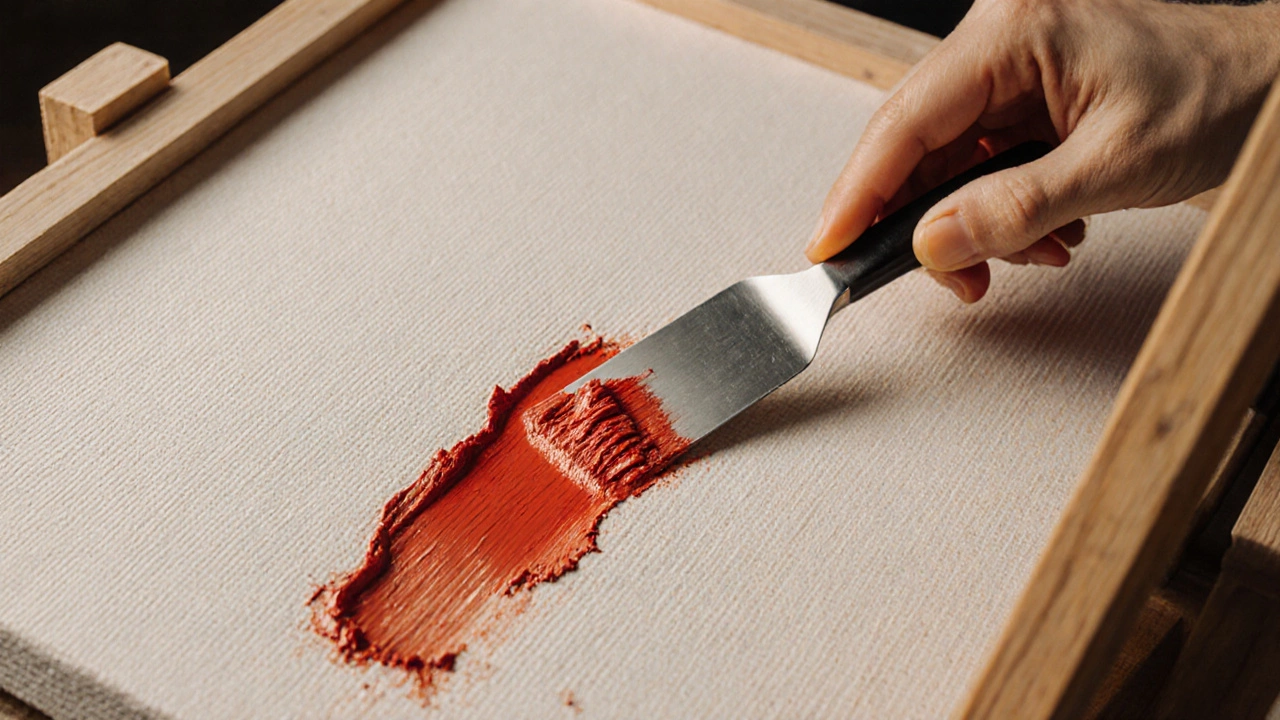
The posts from this month don’t just answer those questions—they give you the exact steps. You’ll find checklists for spotting real lithographs, pricing guides for portrait sessions, and why Apple Music’s audio quality matters to artists who create soundscapes for their visuals. You’ll learn why hyperrealism is still the hardest style to master, and how spatula techniques are making oil paintings pop in ways brushes never could. Whether you’re selling on Etsy, prepping for your first exhibition, or just trying to brighten a dull canvas, the tools and truths here are real, tested, and ready to use.