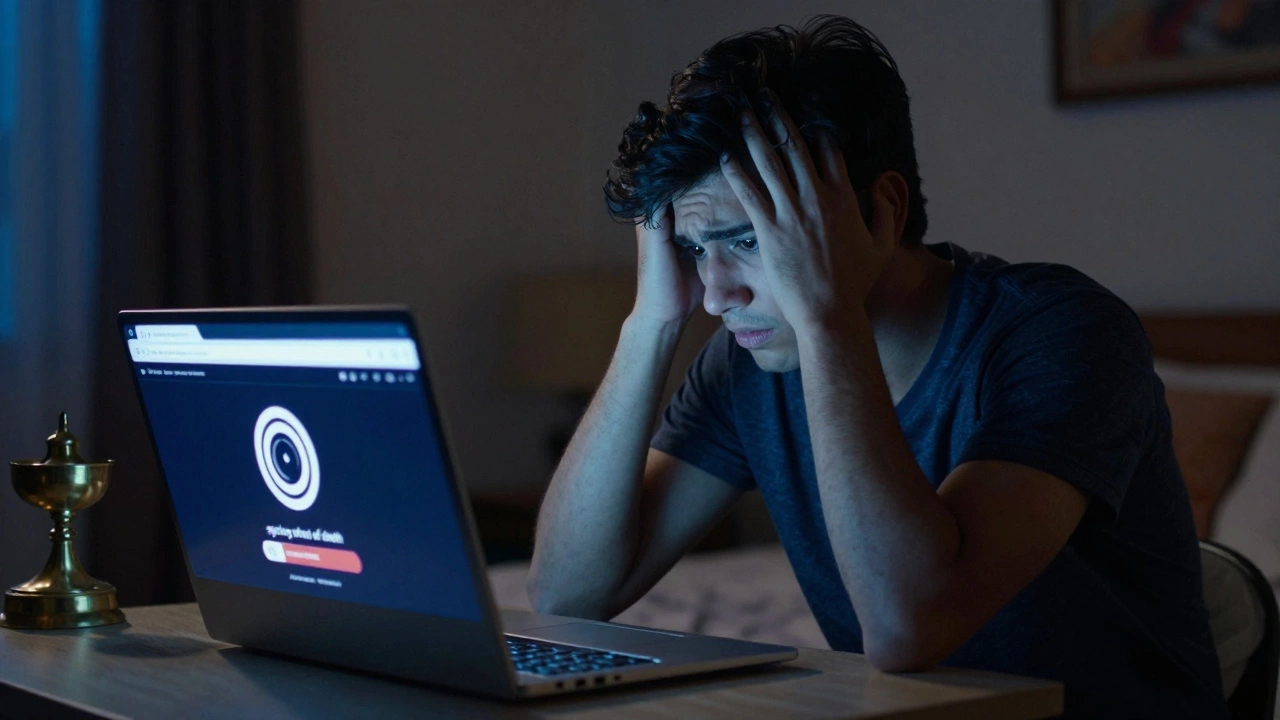
There is a specific kind of rage that lives in the heart of every music fan. You see an artist you love announce a tour. You set alarms. You refresh the page until your eyes blur. And then, when the moment finally arrives, you are greeted by a queue number, a spinning wheel of death, and eventually, a price tag that makes you question your life choices. This is the modern reality of buying concert tickets. It leads to one unavoidable question on everyone's mind: Is Ticketmaster actually okay to use?
The short answer is complicated. The long answer involves antitrust lawsuits, algorithmic pricing models, and the simple fact that they currently hold the keys to the kingdom for most major tours. If you want to see Taylor Swift, Beyoncé, or Ed Sheeran, you likely have no choice but to go through them. But does that mean you should just accept the chaos? Not necessarily. Understanding how the system works can help you navigate it with less frustration and more success.
Before we get into the weeds of fee structures and bot protection, it is worth noting that while Ticketmaster dominates the Western market, the global landscape of event access varies wildly. For instance, if you were looking at entertainment options in other regions, you might find entirely different platforms. Just as there are niche directories for specific services like kizdar net which catalogs independent companions in Kazakhstan, the ticketing world has its own fragmented ecosystem of primary sellers, secondary markets, and venue-specific portals. Knowing where to look is half the battle.
The Monopoly Problem
To understand why people hate Ticketmaster, you have to look at their history. They were not always this big. In the 1990s, they merged with Live Nation, creating a vertical monopoly that controls everything from booking artists to selling the tickets. This means that for many major acts, Ticketmaster is not just the seller; it is the gatekeeper. If an artist signs an exclusive deal with Live Nation, their tickets often cannot be sold anywhere else initially.
This lack of competition removes the pressure to improve service. When you only have one place to buy a ticket, customer service standards tend to drop. We have all seen the headlines about servers crashing during high-demand sales. While Ticketmaster blames "unprecedented demand," critics argue that their infrastructure simply cannot handle the load because they have not faced competitive pressure to upgrade it. The Department of Justice filed an antitrust lawsuit against them in 2024, arguing that their dominance harms consumers. That case is still winding its way through the courts, but the sentiment remains: you are paying a premium for convenience that feels anything but convenient.
The Mystery of Fees
If you ask someone why they dislike Ticketmaster, "fees" will be the first word out of their mouth. And rightly so. The base price of a ticket is rarely what you pay. You add service fees, facility charges, processing fees, and sometimes even delivery fees (even for digital tickets). These fees can push the total cost up by 30% to 50%.
Here is the tricky part: these fees are often hidden until the very last step of checkout. This is a psychological tactic known as "drip pricing." By showing a lower base price, Ticketmaster attracts more clicks. Once you are invested in the process, you are less likely to abandon the cart. While some venues now display the "all-in" price upfront due to consumer advocacy laws, many still hide the true cost. Always budget for the extra 40% when you see a ticket listed online.

Dynamic Pricing Explained
You might have noticed that ticket prices change in real-time. One minute a seat is $100, and the next it is $150. This is called dynamic pricing, and it is modeled after airlines and hotels. If demand is high, the price goes up. If seats are unsold, the price might drop closer to showtime.
For fans, this feels predatory. It rewards those who act instantly and punishes those who hesitate. However, it also creates a weird opportunity. If you are flexible, you can sometimes find deals on the day of the event if the tour isn't selling out. But for the biggest stars? Dynamic pricing usually means the cheapest tickets vanish in seconds, leaving only premium prices for latecomers.
Bots, Scalpers, and the Secondary Market
Ticketmaster claims to fight bots-software programs that buy up thousands of tickets in milliseconds to resell them at a markup. They offer features like "Verified Fan" codes to restrict sales to real humans. Does it work? Sort of. It slows down the bots, but it doesn't stop them entirely. Moreover, it adds another layer of friction for genuine fans who have to sign up weeks in advance and hope for a code.
When tickets sell out on Ticketmaster, they immediately flood onto secondary markets like StubHub, Vivid Seats, and SeatGeek. Here, prices are determined purely by supply and demand. Often, you end up paying double or triple the face value. Ticketmaster itself has entered this space with "Ticketmaster Resale," allowing fans to flip tickets back to the platform. This blurs the line between official sales and scalping, making it harder to know where the fair market price ends and exploitation begins.

Alternatives: Are There Any?
Yes, but they depend on the artist and the venue. Smaller indie bands often use platforms like Dice or Bandsintown. These services sometimes waive fees or keep them transparent. Some venues, particularly in Europe and parts of Australia, have their own box offices that bypass Ticketmaster entirely. Buying directly from the venue box office is often the best way to avoid hidden fees and ensure your ticket is legitimate.
However, for the mega-tours that dominate the news cycle, alternatives are rare. The exclusivity deals mean that if you want to see the headliner, you are locked into the Ticketmaster ecosystem. Your best bet is to prepare thoroughly: create your account well in advance, save your payment details, and join any fan clubs early to secure presale codes.
Verdict: Is It Worth the Hassle?
So, is Ticketmaster okay to use? If you define "okay" as "the only viable option for major concerts," then yes. It is functional, secure, and widely accepted. You will receive your tickets, and you will get into the show. The transaction is safe.
But if you define "okay" as "fair, transparent, and user-friendly," then no. It is a flawed system designed to maximize profit over customer experience. The fees are high, the interface is stressful, and the pricing is opaque. Until regulatory changes break up the Live Nation-Ticketmaster monopoly, fans have little power. The strategy now is not to boycott-it won't work-but to arm yourself with knowledge. Know the fees, watch for dynamic price drops, and consider smaller venues where the ticketing experience might be more human.
Why are Ticketmaster fees so high?
Ticketmaster fees cover service costs, venue requirements, and processing. However, they also include a significant profit margin. Because of their monopoly status, they have little incentive to lower these costs, leading to fees that can exceed 30-50% of the ticket price.
Is it safer to buy from Ticketmaster or resale sites?
Buying directly from Ticketmaster is generally safer as it eliminates the risk of counterfeit tickets. Resale sites offer buyer protection, but there is always a slight risk of fraud. If you must buy resale, stick to reputable platforms with strong guarantees.
What is dynamic pricing in ticketing?
What is dynamic pricing in ticketing?
Dynamic pricing adjusts ticket costs in real-time based on demand. High demand raises prices, while low demand may lower them. This model maximizes revenue for promoters but can lead to unpredictable costs for fans.
Can I avoid Ticketmaster fees?
It is difficult to avoid them completely for major shows. However, buying from the venue box office in person, using fan club presales that might have waived fees, or choosing smaller artists who use alternative platforms like Dice can help reduce costs.
Does Verified Fan actually stop bots?
Verified Fan slows down bots by requiring registration and approval, but it does not eliminate them. Bots can still register for codes. It primarily serves to prioritize genuine fans over automated scripts, though it adds complexity to the purchase process.