Modern Art Connection Simulator
Instead of asking "What is this?", try asking "How does this make me feel?" Use the tools below to create a visual expression of your current mood, then see how different interpretations emerge.
Your Visual Resonance
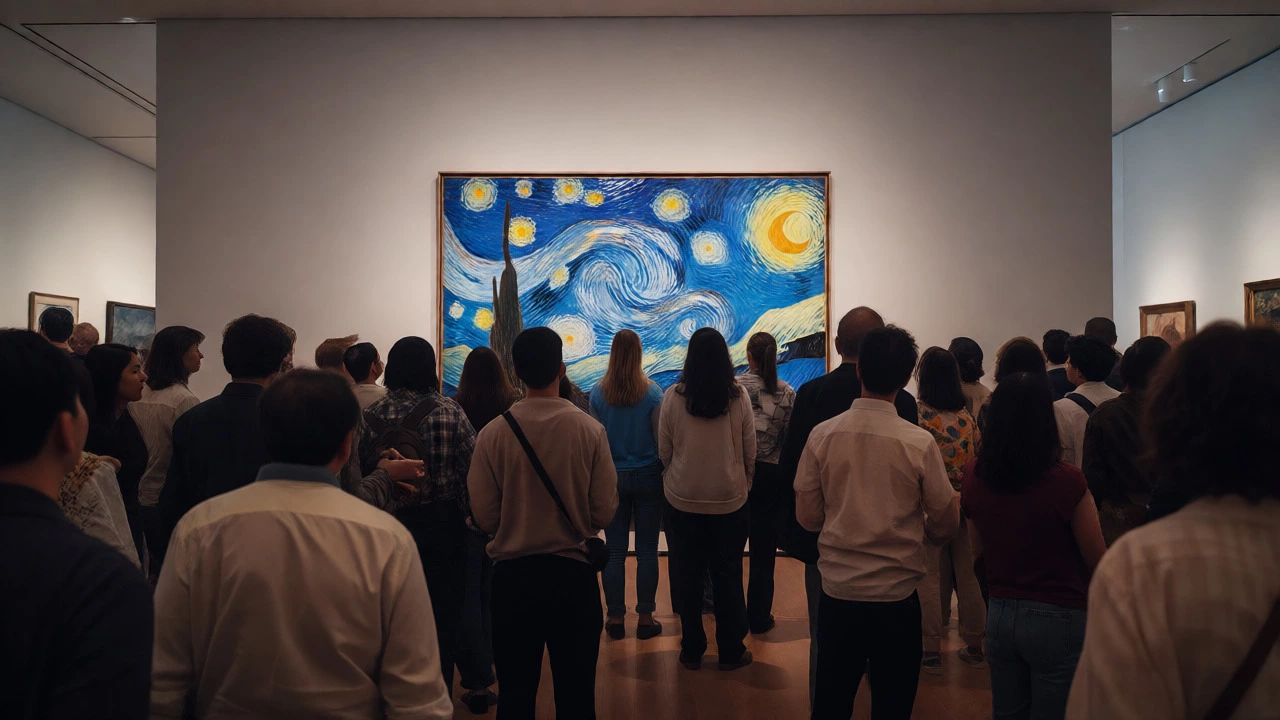
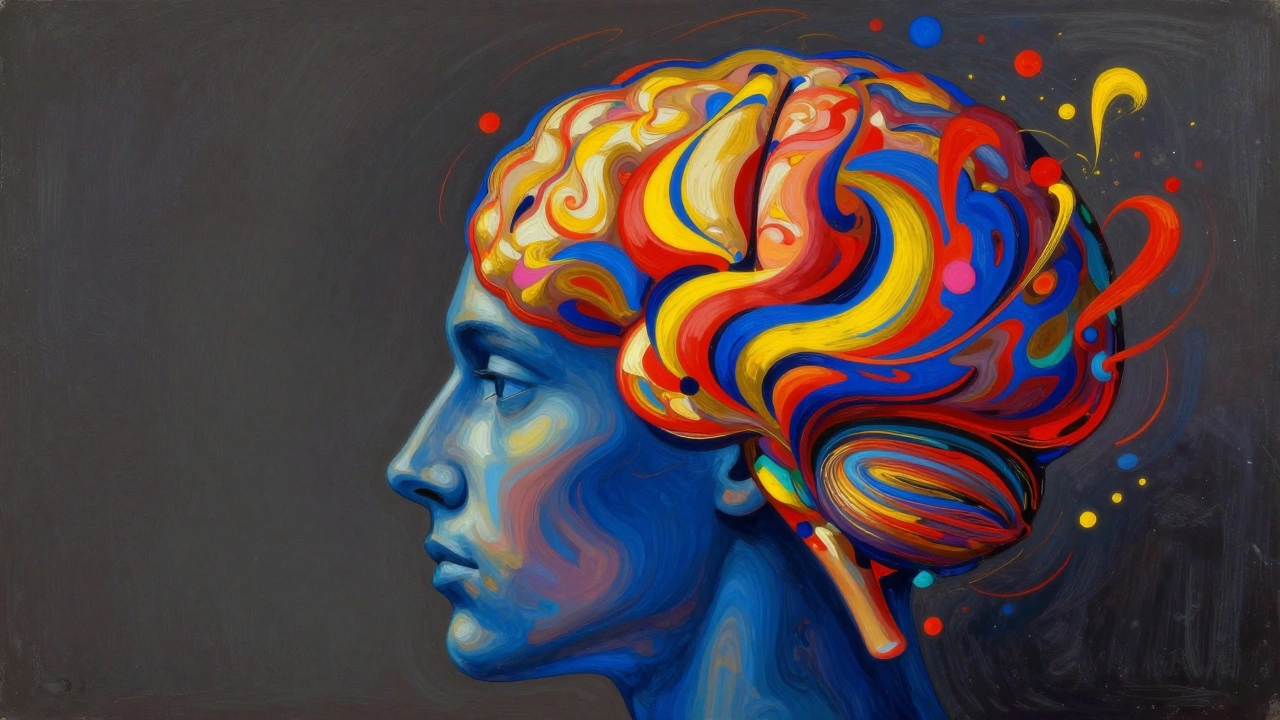
For a long time, we were taught that art was a mirror. If a painting of a forest looked exactly like a forest, it was "good." But around the late 19th century, things changed. With the invention of the camera, painters no longer had to be the primary recorders of reality. This freed them to explore the internal world. They stopped asking "What does this look like?" and started asking "What does this feel like?" When you love modern art, you're usually responding to that bravery-the decision to prioritize an emotion or a concept over a literal image.
The Power of the Abstract Mind
One of the biggest hurdles in loving modern art is the feeling that there is a "correct" answer we are missing. We treat art like a riddle to be solved. However, the real magic of Abstract Art is art that does not attempt to represent an accurate depiction of a visual reality but instead uses shapes, colors, form and gestural marks to achieve its effect. It's more like music than a photograph. You don't ask what a violin concerto "means" in terms of a physical object; you just feel the sadness or the triumph in the melody. Abstract art works the same way. It triggers a visceral response in your brain before your logical mind can even categorize the shapes.
Think about a piece by Mark Rothko. His giant, glowing rectangles of color aren't meant to be "something." They are designed to be an environment. When you stand in front of a Rothko, the color saturates your vision, often evoking a sense of religious awe or deep melancholy. You love it not because you recognize a figure, but because the color is speaking directly to your nervous system.
| Feature | Traditional Art | Modern Art |
|---|---|---|
| Primary Goal | Mimesis (Imitation of nature) | Expression of internal state/concept |
| Viewer's Role | Observer of a scene | Active participant in meaning |
| Key Value | Technical skill and accuracy | Innovation and emotional honesty |
| Core Question | "Is this realistic?" | "How does this make me feel?" |
Breaking the Rules on Purpose
There is a specific thrill in watching someone break a rule they clearly understand. That's why Pablo Picasso remains a titan. He didn't just start painting distorted faces because he couldn't draw; he spent years mastering classical realism first. When he created Cubism, he was consciously dismantling the perspective that had dominated art since the Renaissance. He wanted to show multiple viewpoints of an object at once, mimicking how we actually experience a person-not as a static photo, but as a series of glimpses and memories.
When you love this kind of work, you are appreciating the intellectual game. You're recognizing the effort it takes to unlearn a habit. It's the same reason we love experimental music or avant-garde film. There is a certain energy in the disruption. It forces us to wake up and look at the world with fresh eyes, stripping away the boredom of the expected.
The Chaos of Expressionism
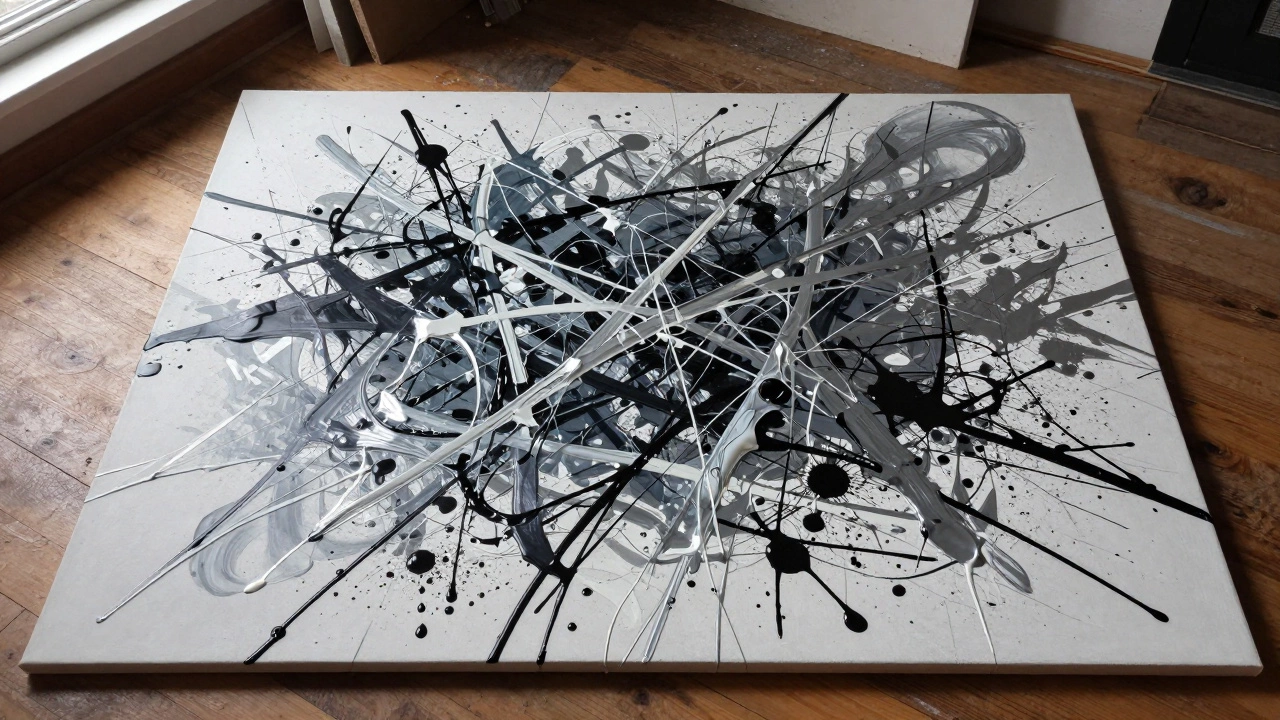
Then there is the raw, physical energy of Abstract Expressionism, a movement that exploded in New York after World War II. Artists like Jackson Pollock didn't just paint; they performed. The "drip technique" was less about the final image and more about the act of painting itself. The canvas became a record of a physical event.
Why does this resonate? Because life is messy. Our emotions aren't neat, shaded portraits; they are splashes of anger, streaks of joy, and chaotic tangles of confusion. When you see a Pollock, you're seeing a visual map of a human being in motion. It validates the chaos of our own internal lives. It tells us that it's okay for things to be unstructured and overwhelming.
The Intellectual Puzzle of Conceptual Art
Not all modern art is about emotion; some of it is a brain teaser. Conceptual Art prioritizes the idea over the physical object. This is where we find things like Marcel Duchamp's "readymades," where he took an everyday object-like a urinal-and declared it art. This sounds like a prank, but it's actually a profound question about the nature of value. Why is a painting in a museum valuable, but the same object in a hardware store not?
Loving conceptual art is like loving a good philosophy debate. It's not about the aesthetic beauty of the piece, but about the spark of a new idea. It challenges the gatekeepers of culture and asks us to define for ourselves what constitutes "art." It shifts the power from the artist's hand to the viewer's mind.
Finding Your Own Connection
If you're still struggling to understand why you're drawn to certain modern pieces, try changing your approach. Stop trying to "get it." The phrase "I don't get it" assumes there is a hidden code you aren't privy to. In reality, the artist often isn't giving you a puzzle to solve, but a space to inhabit.
Next time you're at a gallery, try these steps to deepen your connection:
- The Five-Minute Rule: Stand in front of one piece for a full five minutes. Don't move. Usually, the first two minutes are spent judging; by minute four, your brain starts to notice patterns, textures, and moods you missed.
- Ignore the Label: Don't read the title or the artist's statement first. Let the work speak to you without the bias of a predetermined narrative.
- Physical Resonance: Ask yourself where you feel the art in your body. Does a sharp red line make your chest tighten? Does a soft blue wash make you breathe deeper?
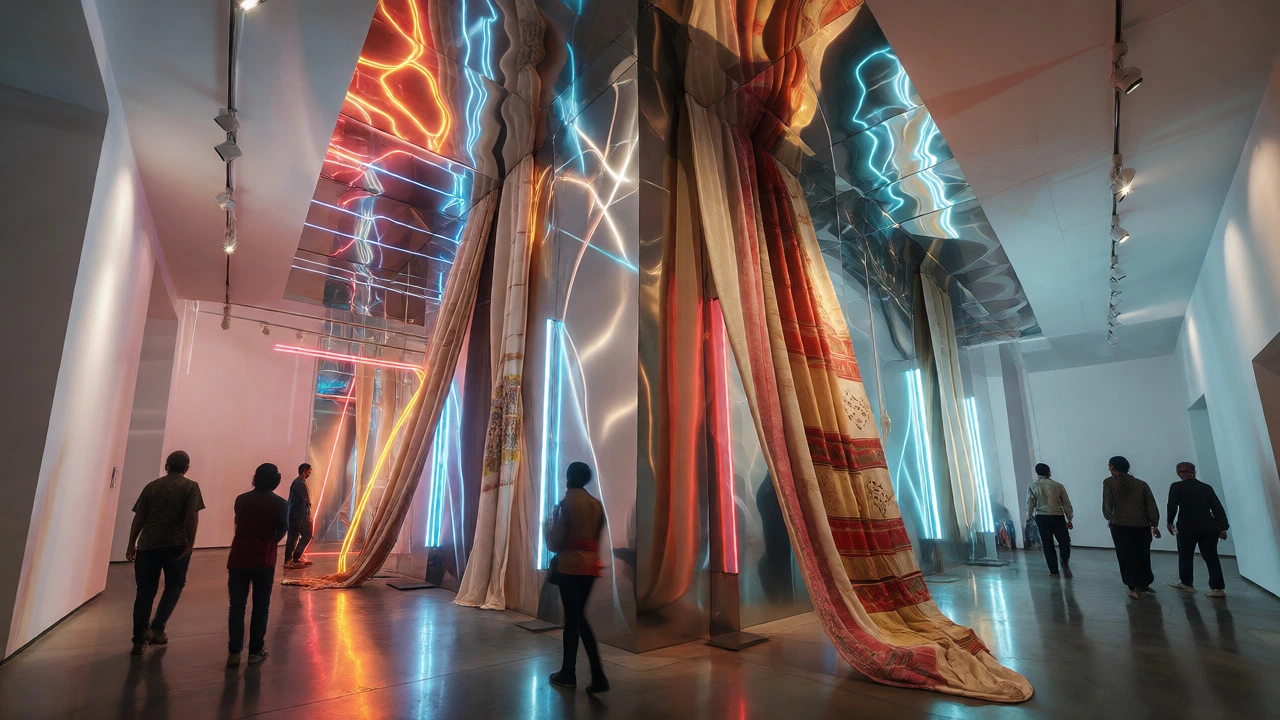
Ultimately, loving modern art is an act of liberation. It's the realization that art doesn't have to serve a master-it doesn't have to serve the church, the state, or even the laws of physics. It only has to serve the truth of the moment. Whether it's a single dot on a canvas or a room full of neon lights, modern art invites us to be curious, to be uncomfortable, and above all, to be human in all our fragmented, abstract glory.
Is modern art actually "skillful" if anyone can do it?
The skill in modern art shifted from technical mimicry to conceptual and emotional mastery. While a child might accidentally paint a splash of color, an artist like Pollock or Rothko spent years studying composition, color theory, and the psychological impact of scale. The skill lies in the intentionality-knowing exactly why a specific line or color is placed to evoke a specific response, rather than just copying a photo.
How do I start appreciating abstract art?
Start by treating it like music. You don't need a manual to enjoy a song; you just listen and feel. Similarly, look at abstract art as a visual composition of rhythm and mood. Focus on the colors and the energy of the brushstrokes rather than searching for a recognizable object. Ask yourself how the piece makes you feel instead of what it is.
What is the difference between Modern Art and Contemporary Art?
Broadly speaking, Modern Art refers to the period from roughly the 1860s to the 1970s, focusing on movements like Impressionism, Cubism, and Surrealism. Contemporary Art is what is being produced right now, in our own time. While Modern Art broke the rules of traditional representation, Contemporary Art often focuses more on social commentary, new technology, and diverse identities.
Why are some simple modern artworks worth millions of dollars?
The value usually comes from a combination of historical significance, provenance, and the artist's influence on the trajectory of art. A painting isn't just a canvas; it's a historical document of a moment when the way humans saw the world changed. Collectors pay for the "first" of an idea-the bravery of the artist who broke the mold and changed the rules for everyone who followed.
Can I enjoy modern art without knowing the history?
Absolutely. While knowing the history can add layers of meaning, the most powerful art experiences are visceral. Your emotional reaction to a piece is valid regardless of whether you know when it was painted or which movement it belongs to. The art is meant to communicate with you directly, not just through a textbook.