2026 Art Market Demand Analyzer
Configure your artwork profile below to estimate its potential resonance with the 2026 market landscape.
1. Material Philosophy
2. Digital Integration (Phygital)
3. Narrative Context
Collectors in 2026 favor location-specific scarcity over generic global styles.4. Production Method
The Shift in What Collectors Want
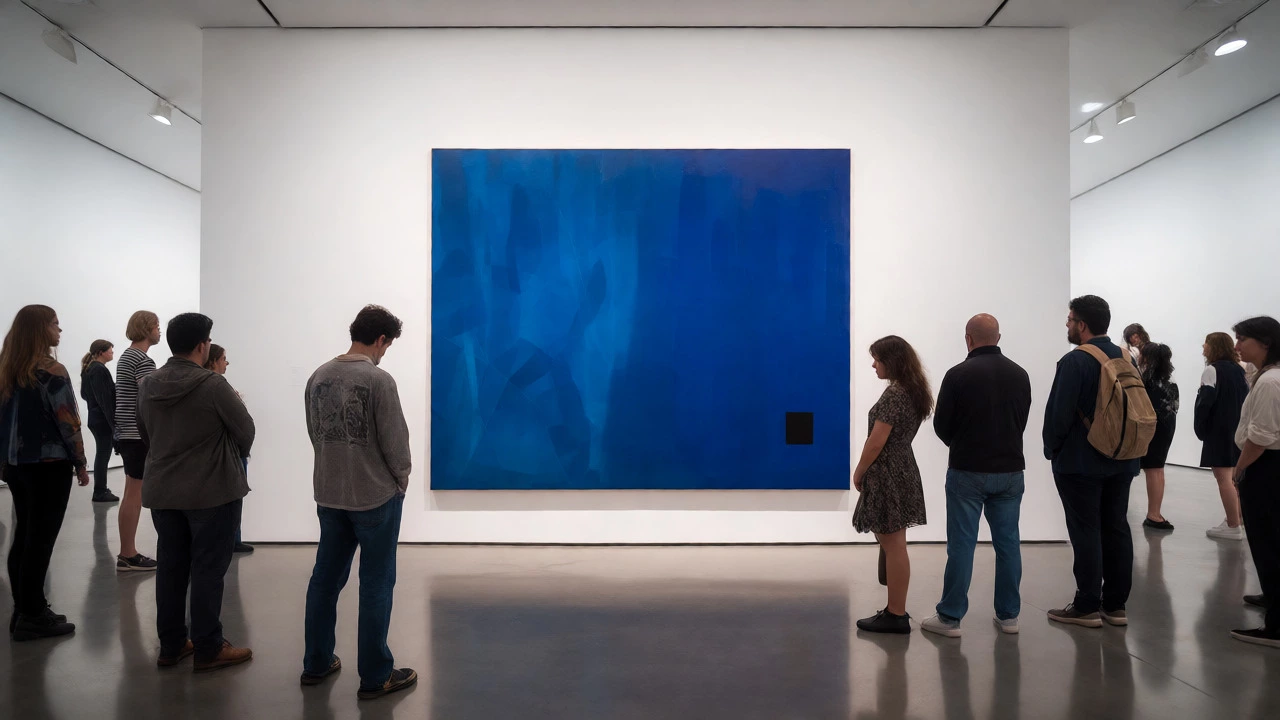
Walk through any major gallery opening in Sydney or New York today, and you’ll see a change. Five years ago, everyone was talking about purely digital files. That fever broke quickly. What we see now, in late 2026, is a much sharper focus on tangible quality combined with smart data. People want things they can touch, but they want those things to have a digital twin that proves exactly where they came from.
We are moving past the "is it real or fake" debates. The technology exists now to track an artwork’s life from the studio to your wall. But beyond the tech, the emotional connection is back. Collectors are tired of algorithmic noise. They want stories. So when you ask what art demand looks like right now, the answer lies in hybridity. It is no longer about choosing between a painting and a code file; it is about how they work together.
Sustainable Materials Leading the Charge
If there is one category that cannot get enough attention, it is eco-conscious creation. In 2026, "sustainable" isn’t just a marketing buzzword; it’s a requirement for serious institutional acquisition. We are seeing artists utilize recycled industrial waste, mycelium leather, and biodegradable pigments.
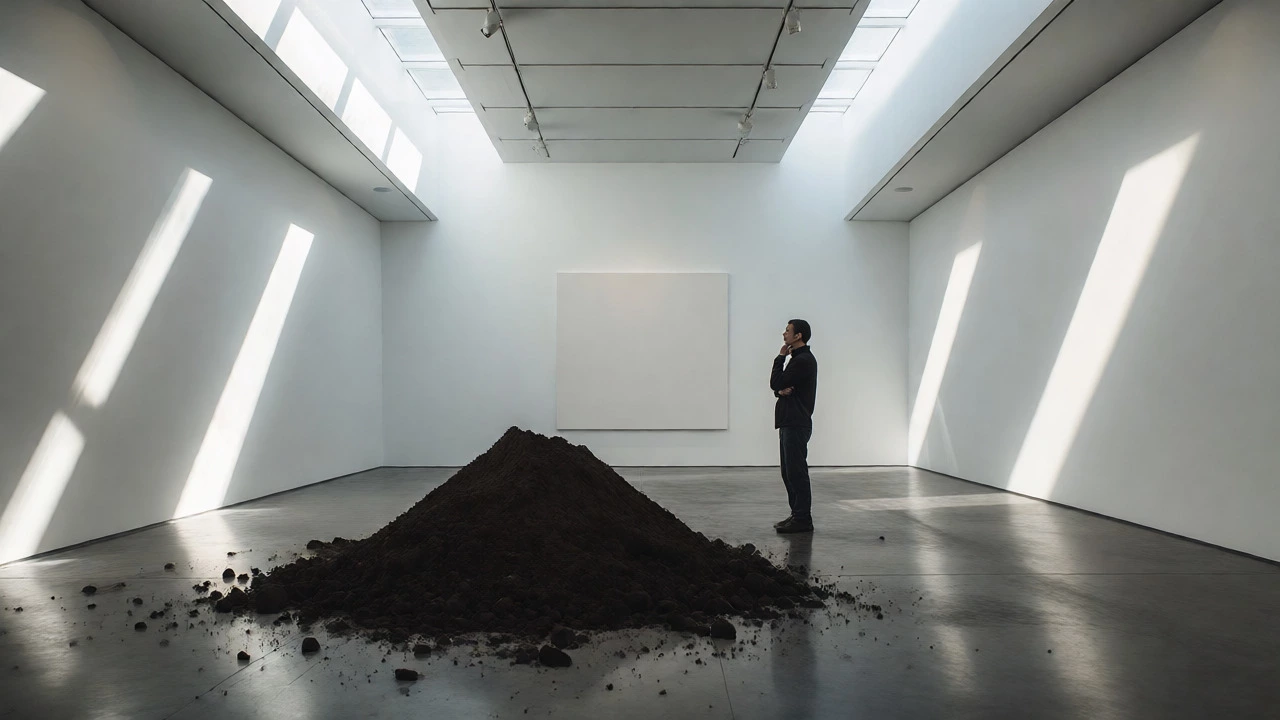
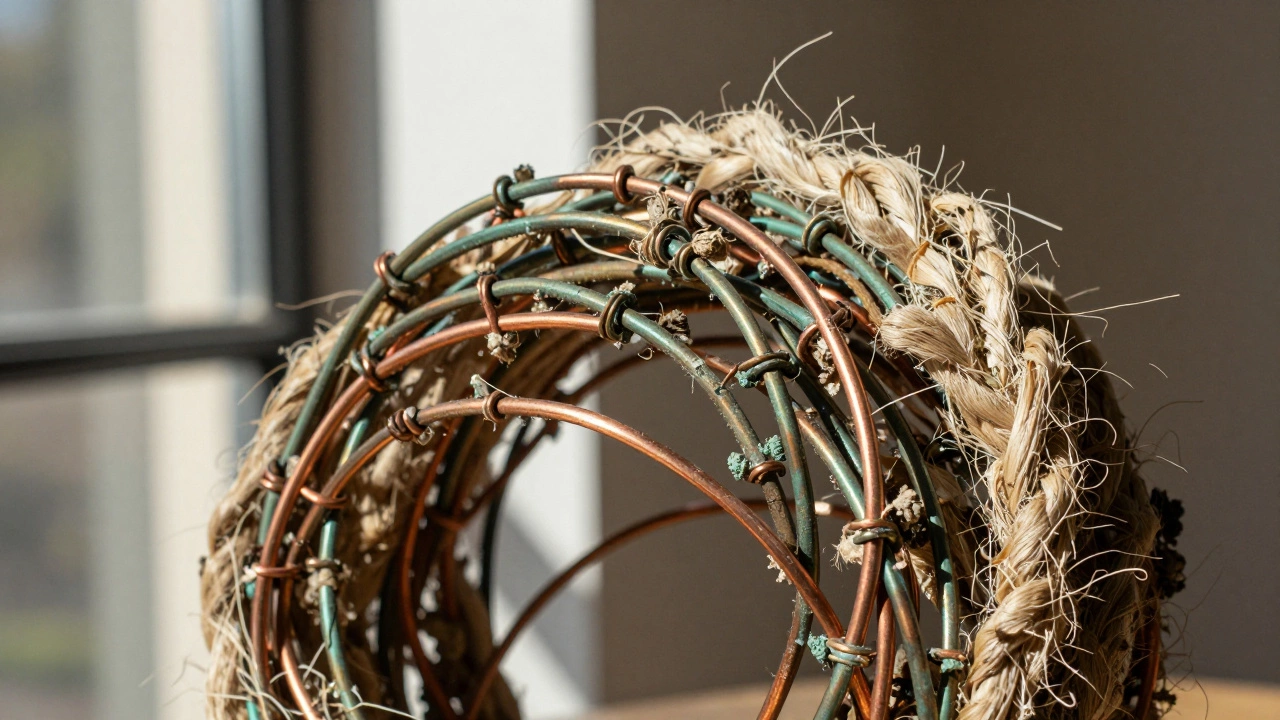
Take Eco-Sculpture . Major institutions are commissioning large-scale installations made from ocean plastics or agricultural byproducts. Why? Because these pieces carry a narrative weight that resonates with buyers. A sculpture made from reclaimed copper wire tells a different story than one cast in standard bronze. Buyers are paying premiums for provenance that includes environmental impact reports. If you are creating work, consider documenting your material source. It adds significant value to the final piece.
- Circular Economy Art: Pieces designed to be fully disassembled and reused later.
- Living Installations: Works involving plants or bacteria that grow over time.
- Material Transparency: Digital passports showing carbon footprint of production.
The Rise of Indigenous and Regional Narratives
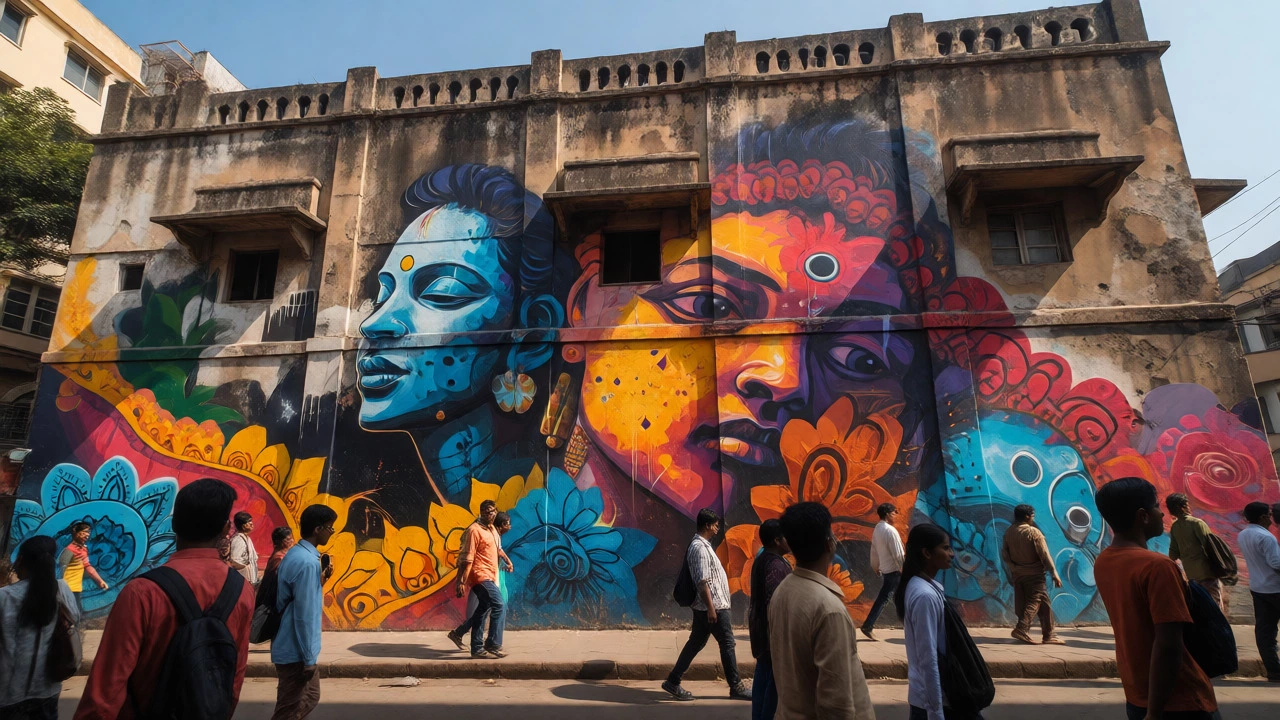
Here in Australia, the conversation around Indigenous art has matured significantly. The market is demanding deeper engagement with First Nations narratives rather than superficial aesthetics. We are seeing fewer stereotypical designs and more complex, contemporary interpretations that address history, land rights, and futurism.
This isn't limited to Down Under. Globally, regional specificity is winning out over generic globalism. Collectors want work that feels rooted in a place. An artist working in Melbourne who draws on local Aboriginal heritage while discussing urbanization creates a unique intersection. You cannot replicate that in London. Scarcity isn't just about supply; it's about location. If you are visiting exhibitions in 2026, look for shows dedicated to diaspora voices. These are commanding higher auction results compared to generic abstract works that could come from anywhere.
Digital-Physical Hybrids (Phygital)
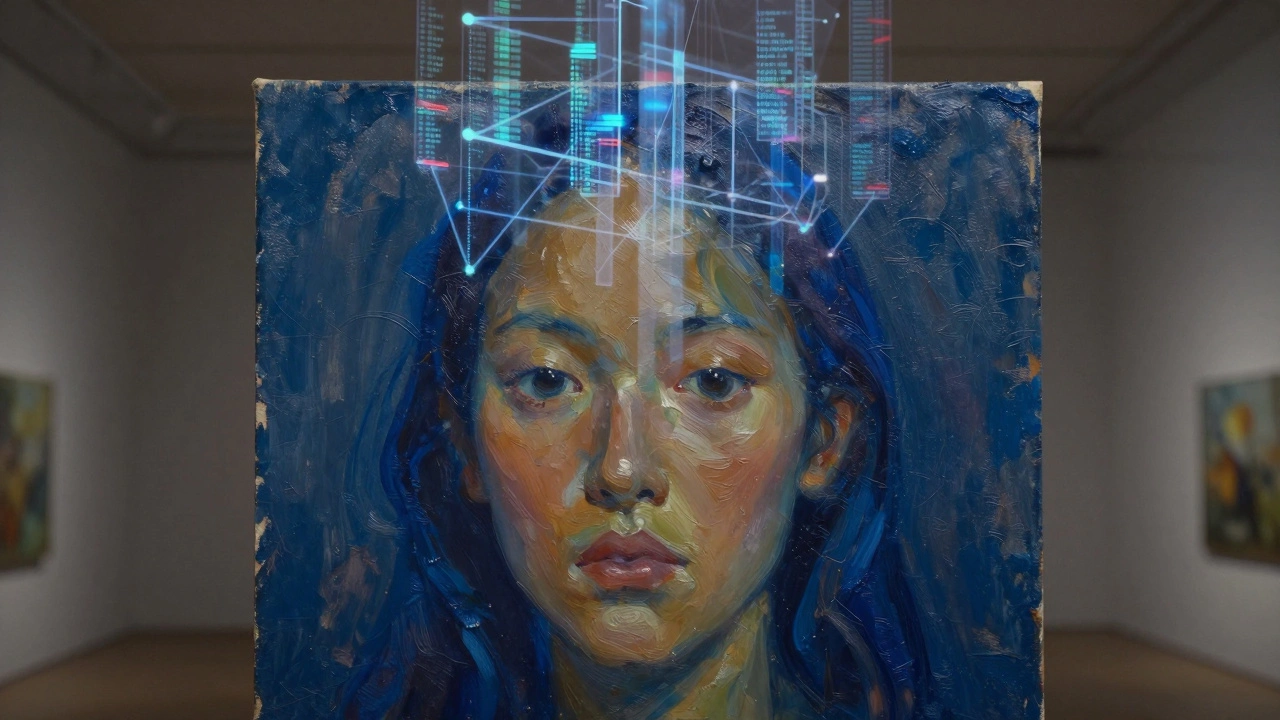
The biggest misconception about the last few years was that digital art replaced physical art. It didn’t replace it; it merged. The term "phygital" describes this exact blend. In 2026, a physical canvas sold at a gallery comes with an embedded NFC chip. When a collector taps their phone against it, an augmented reality experience triggers. Maybe the painting animates. Maybe hidden layers appear that show the artist’s process.
Augmented Reality Art provides a second layer of consumption. Younger collectors specifically look for this interactivity. It extends the life of the artwork beyond its static form on a wall. For established painters, adding this component increases secondary market liquidity. It creates a bridge for people used to screen-based media to appreciate traditional oil or acrylic. It is essentially the next generation of framing.
Where the Market is Active
You cannot ignore where transactions are actually happening. While mega-auction houses still handle the billion-dollar blocks, the mid-tier market has exploded online. However, trust remains the bottleneck. Verified platforms are preferred over peer-to-peer marketplaces.
| Channel Type | Trend Direction | Typical Price Range | Trust Level |
|---|---|---|---|
| Traditional Gallery | Stable | $5k - $5M+ | Very High |
| Online-First Platforms | Growing Rapidly | $500 - $50k | High |
| Direct Artist Sales | Moderate | $200 - $5k | Moderate |
| Auction Houses | Selective | $20k - Infinite | Variable |
Note how the online channel covers a broad range now. It is no longer just for cheap prints. High-end dealers are running virtual viewings that feel indistinguishable from walking through a booth. However, if you intend to invest seriously, the physical verification of the object remains king. Paperwork, condition reports, and seeing the brushstroke texture in person reduces risk.
The Return of the Maker Movement
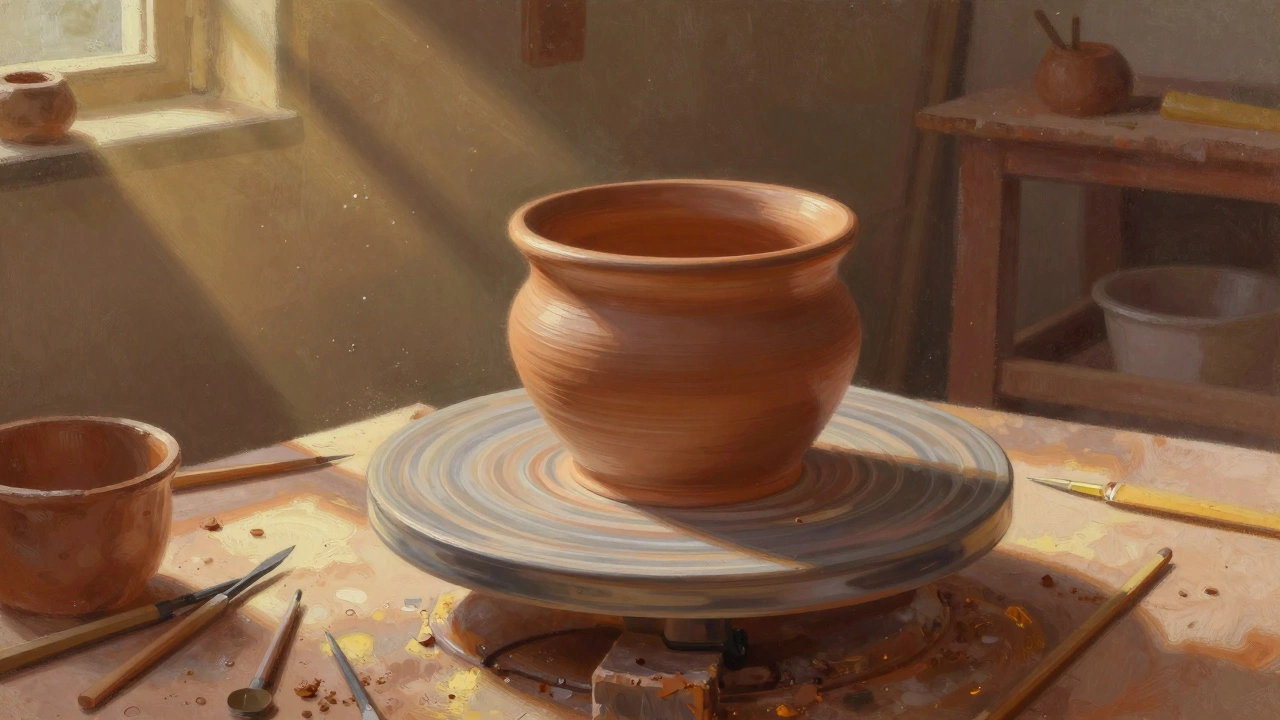
Amidst the digital explosion, there is a counter-reaction. People are obsessed with the human hand. "Slow Art" is a massive category. We are seeing a revival in ceramics, textiles, and woodworking. These works take months or years to complete. The value proposition here is effort. In a world of generative AI images produced in seconds, a ceramic vessel taking six weeks to fire holds immense psychological weight.
Collectors are buying these as "heirloom" objects. They want things that age gracefully. Unlike digital files that might become obsolete formats, a clay pot ages naturally. This sector is seeing price growth outpace traditional painting in some sectors. Look for artists combining old techniques with modern design sensibilities.
Navigating the Exhibition Circuit
To understand where the demand is truly flowing, you must look at the curated fairs. Events like Frieze, Art Basel, and now several prominent Australian fairs set the tone. If a curator selects an artist for a survey show at these venues, that artist becomes a safe bet for demand. Curators act as filters. They spend thousands of hours vetting work before presenting it.
Attending these events physically offers insights you cannot get digitally. You see what other collectors are pointing at. You hear the questions asking the curators. Often, the "hot" artist hasn't been announced yet. It happens in the conversations on the fringes of the exhibition space. Networking at these openings is still the most effective way to find pre-market opportunities before prices inflate.
Risks and Considerations for Buyers
Even with clear trends, risks exist. The biggest trap is buying hype rather than merit. Just because an artist uses AI doesn't mean the work has long-term value. Similarly, just because something is "eco-friendly" doesn't mean it will last fifty years. Durability matters. Conservation science plays a role in investment decisions. Before buying a work made of organic material, check its archival stability.
Another pitfall is liquidity. Not everything you buy is easy to sell. Established blue-chip names offer liquidity. Emerging artists require patience. Treat emerging collections like building a portfolio rather than gambling. Spread your spending across mediums. Don't go all-in on digital tokens alone.
Is digital art still a viable investment in 2026?
Yes, but the bubble phase has passed. Viable digital investments now require strong community backing or integration with physical media. Pure JPEGs rarely hold value unless the artist has a strong historical record or brand recognition.
Which mediums offer the highest resale potential?
Traditionally, oil painting, photography, and signed limited edition prints remain top performers for resale. The market prefers materials with stable aging properties and widely recognized standards of value.
How do I verify authenticity of a physical piece?
Reputable galleries provide certificates of authenticity backed by provenance history. In 2026, many pieces also include blockchain-verified records that link to a digital ledger confirming ownership history.
Should I buy art online without seeing it first?
For lower-priced works ($10k and under), online purchases are common. For high-value investment pieces, seeing the texture and scale in person is critical to avoid issues with condition or color accuracy.
What defines "Blue-Chip" art today?
Blue-chip refers to artworks by artists with a solid auction history, museum holdings, and consistent appreciation over decades. They are generally considered safer assets during economic volatility compared to speculative emerging work.