The Context Lens: Art Interpretation Quiz
Can you tell the difference between a random object and a significant artwork? The answer lies in context. Test your ability to identify the intellectual intent behind contemporary pieces versus traditional aesthetic judgments.
Title of Work
Description will appear here.
What is the primary focus of this work?
Quiz Complete!
You scored 0 out of 3.
Remember: In contemporary art, you are a co-creator of meaning. If an object confuses you, look for the context—the artist's intent, the material choice, and the current social relevance.
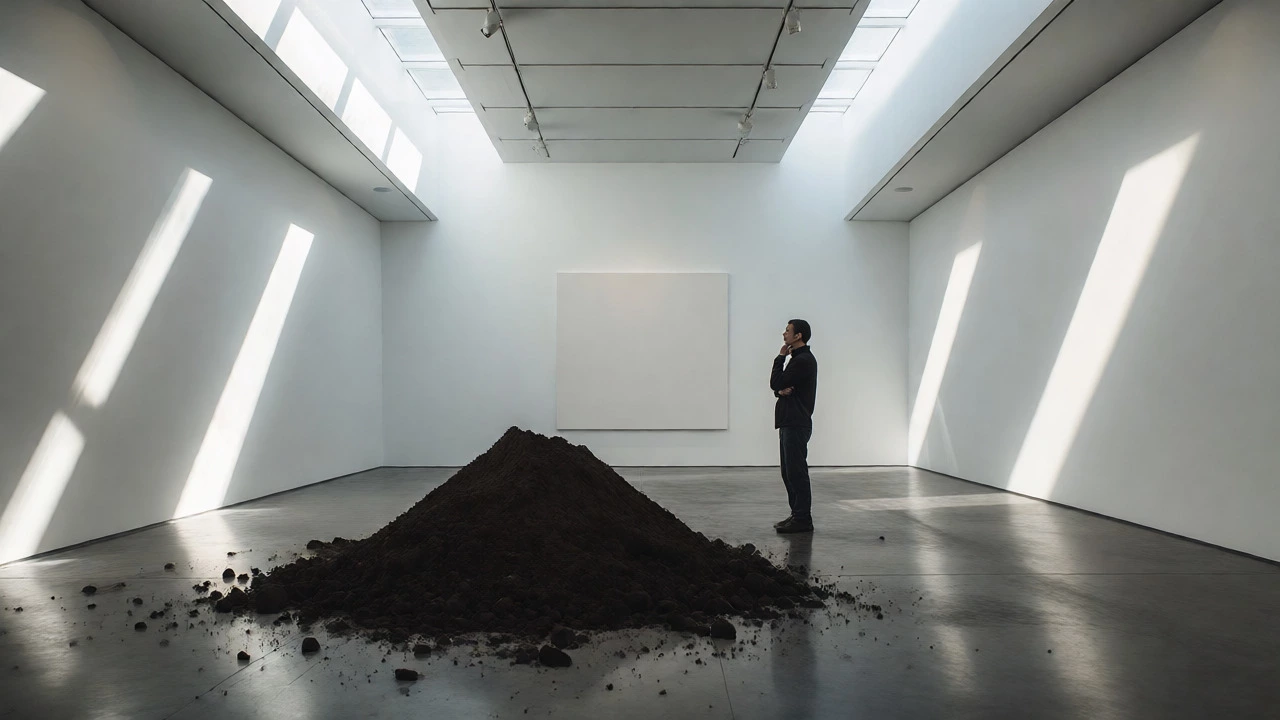
You walk into a gallery in Sydney or New York. On the wall hangs a blank white canvas. Next to it sits a pile of dirt on the floor. A visitor whispers, "My kid could do that." They are right about the skill. But they are wrong about the point. If you had to define contemporary art in one word, it wouldn't be "modern," "abstract," or "expensive." It would be context.
This might sound like artsy jargon designed to keep regular people out of museums. But stick with me. Understanding this single concept changes how you look at every piece of art created after 1970. It explains why a banana taped to a wall sells for $120,000 and why a pristine landscape painting by a living artist might struggle to get noticed. The shift from judging technical mastery to judging intellectual intent is the defining feature of our era.
The Timeline Trap: Modern vs. Contemporary
Most people mix up Modern Art and Contemporary Art. This isn't just a semantic error; it's a historical misunderstanding that leads to bad buying decisions and confusing conversations.
Modern Art refers to a specific historical period, roughly spanning the 1860s to the 1970s. Think Picasso, Pollock, and Warhol. These artists broke rules, but they were still largely concerned with the object itself-how paint looks, how form distorts reality, how color evokes emotion. The focus was often visual and formal.
Contemporary Art, by contrast, is art made today, by living artists, or very recently deceased ones (post-1970). Here, the physical object matters less than the idea behind it. The question shifts from "Is this beautiful?" to "What does this mean?" and "Why does this exist now?"
| Feature | Modern Art (c. 1860-1970) | Contemporary Art (c. 1970-Present) |
|---|---|---|
| Primary Focus | Aesthetic innovation, medium exploration | Idea, concept, social commentary |
| Materials | Traditional (oil, bronze, marble) plus new industrial materials | Anything: digital, found objects, performance, code |
| Artist Status | Often canonical, museum-established | Living, active, market-driven, global |
| Viewer Role | Appreciate the craft | Interpret the message |
Notice the last row. In contemporary art, you aren't a passive observer. You are a co-creator of meaning. Without your engagement, the work remains incomplete. That is the power of context.
Why Context Is King
Imagine two identical red squares. One is painted by Mark Rothko in 1958. The other is printed by a student yesterday. Visually, they might share hex codes. Culturally, they are galaxies apart. Rothko’s square represents a culmination of abstract expressionism, a spiritual attempt to evoke basic human emotions through color fields. The student’s square might represent nothing more than a homework assignment.
In the contemporary world, the label, the biography, and the exhibition history carry as much weight as the pixels on the screen. When Banksy shredded his own painting at Sotheby’s, the value didn't drop because the object was damaged. It skyrocketed because the act became part of the artwork’s narrative. The destruction was the point. The context transformed a vandalized canvas into a cultural event.
This reliance on context also means contemporary art is deeply global. Fifty years ago, the center of the art world was strictly Paris and New York. Today, biennales in Istanbul, Lagos, and Shanghai shape trends just as much. Artists from these regions bring local histories into the global conversation, adding layers of political and social context that Western viewers must actively seek out to understand.
The Conceptual Shift: Ideas Over Objects
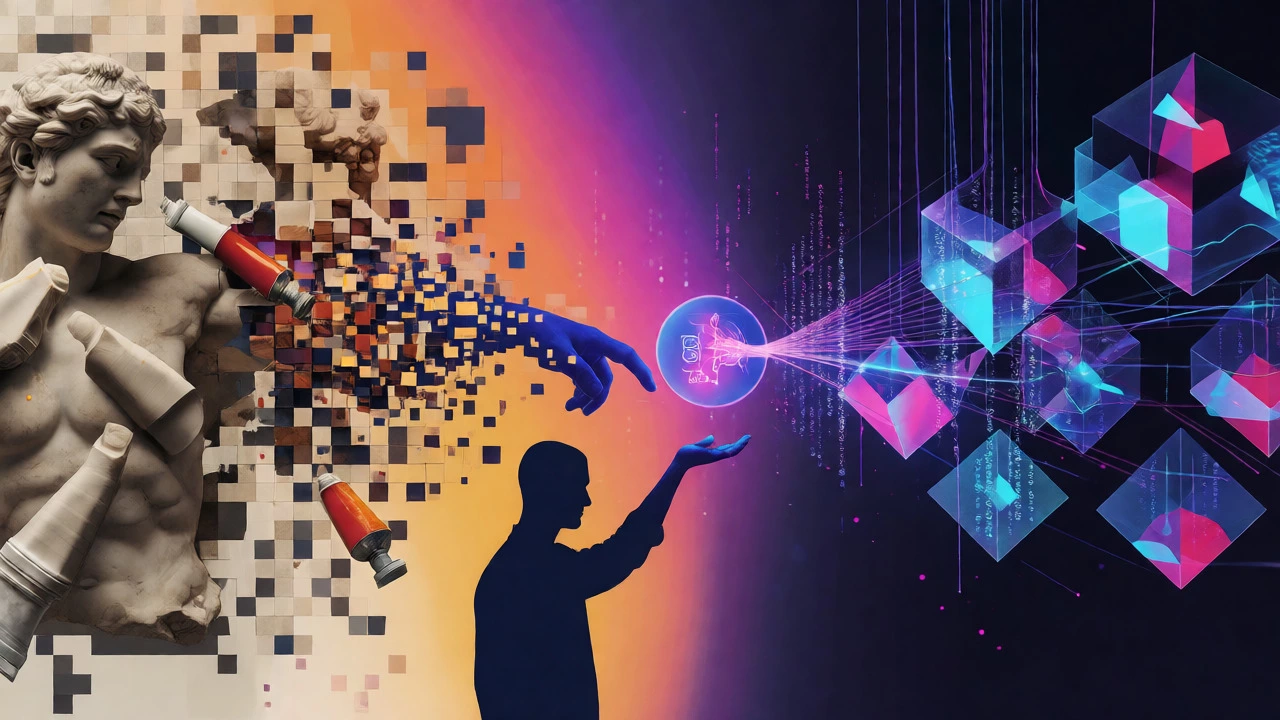
To understand why context dominates, you have to look at Conceptual Art. Emerging in the late 1960s, this movement declared that the idea is the machine that makes the art. The physical execution is secondary, sometimes irrelevant.
Consider Yoko Ono’s instruction pieces. She writes a card: "Listen to the silence." If you read it and feel a moment of quiet, the artwork has happened. No sculpture needed. No brushstroke. Just the interaction between the text and your mind.
This approach frustrates collectors who want something tangible to hang on their wall. But it reflects our information age. We live in a world of screens, data, and fleeting moments. Contemporary art mirrors this fluidity. It asks us to slow down and think rather than just look.
- Performance Art: The body is the medium. Marina Abramović sitting silently for hours creates a context of endurance and presence.
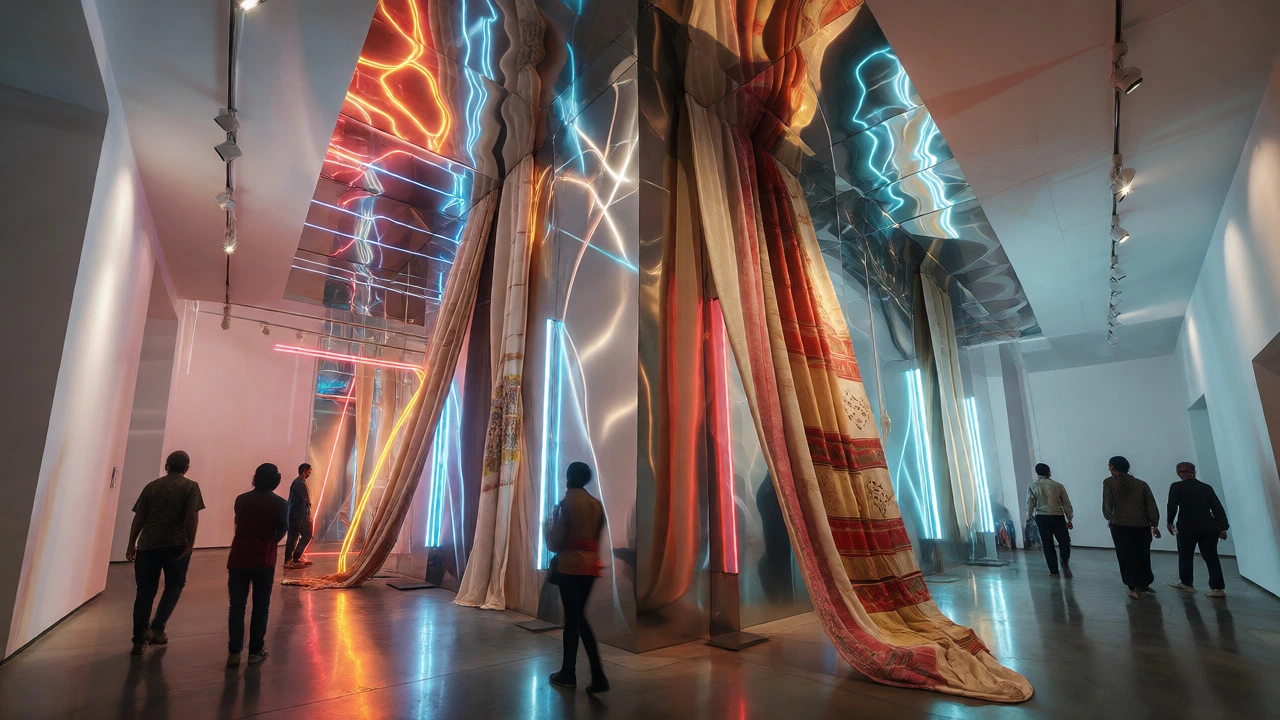
- Installation Art: The space is the canvas. Olafur Eliasson filling a room with fog changes how you perceive light and air.
- Digital Art: Code is the brush. NFTs proved that ownership of a digital file could hold value based entirely on blockchain context.
How to Engage With Contemporary Art
If you leave a gallery feeling confused, don't blame yourself. Blame the lack of provided context. Museums often fail to explain the "why." Here is how you can bridge the gap yourself.
First, read the wall text. Yes, even if it sounds pretentious. Look for keywords like "identity," "globalization," "memory," or "technology." These are the hooks the artist wants you to grab.
Second, ask three questions before you judge the work:
- What is the artist trying to say?
- Why did they choose this material or method?
- How does this relate to what is happening in the world right now?
Third, accept ambiguity. Unlike a math problem, contemporary art rarely has one correct answer. Your interpretation is valid if it stems from an honest engagement with the piece. If a video installation makes you feel anxious, that anxiety is part of the artwork’s success.
The Market Reality
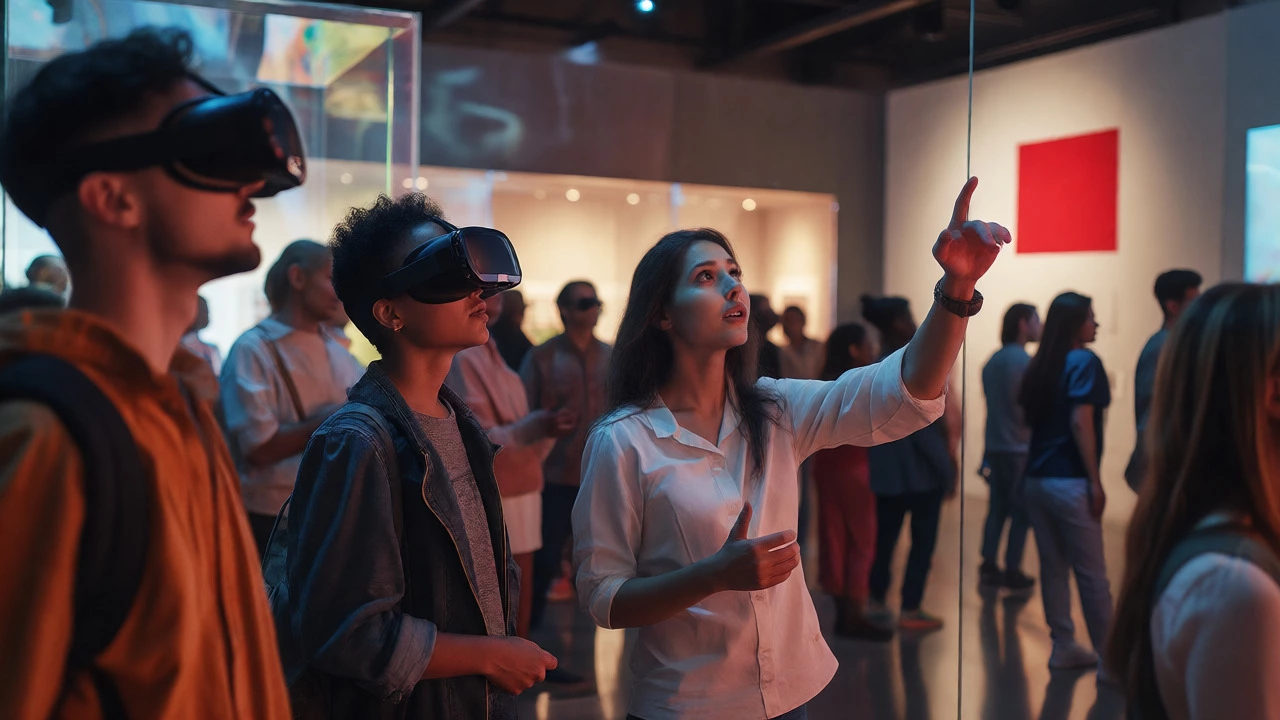
Context doesn't just affect appreciation; it drives money. The Art Market values rarity and provenance, which are forms of historical context. An early work by a famous artist costs more not because it is visually superior, but because it captures a specific moment in their career trajectory.
For beginners, this can feel elitist. Why buy a print when the original exists? Because the print carries the same conceptual DNA at a lower price point. Collectors today are increasingly buying into the artist’s voice and future potential, not just current aesthetic appeal. They are betting on the relevance of the context the artist provides.
Frequently Asked Questions
Is contemporary art the same as modern art?
No. Modern art refers to the historical period from the 1860s to the 1970s, featuring artists like Picasso and Matisse. Contemporary art is art produced from the 1970s to the present day. While both challenge tradition, contemporary art places greater emphasis on ideas, social issues, and diverse media rather than purely aesthetic innovation.
Why is some contemporary art so simple?
Simplicity is often intentional. In conceptual art, the value lies in the idea, not the technical complexity. A minimal object forces the viewer to focus on the underlying message or critique. The simplicity removes distractions, allowing the context and concept to take center stage.
Do I need an art degree to understand contemporary art?
Absolutely not. Contemporary art is meant to be accessible and relevant to everyday life. While academic theory exists, most works respond to universal themes like identity, politics, technology, and environment. Curiosity and willingness to engage with the artist's intent are more important than formal education.
What is the role of technology in contemporary art?
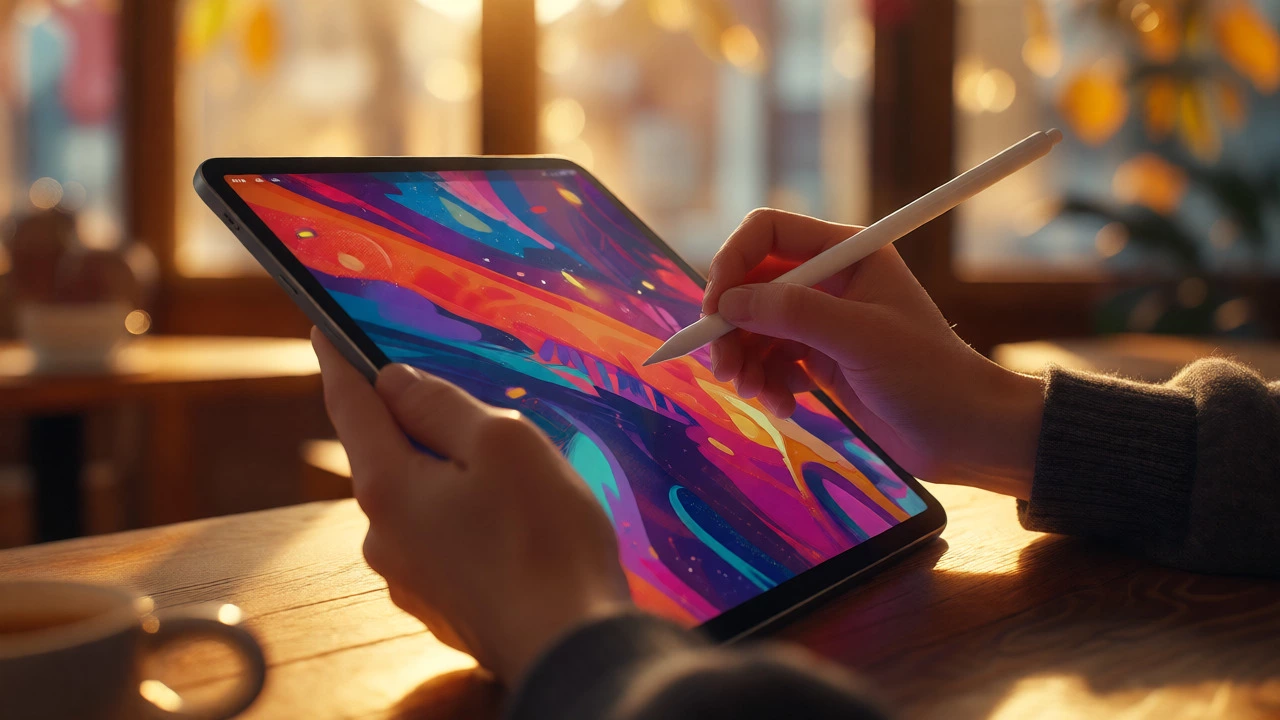
Technology serves as both a tool and a subject. Artists use digital software, AI, and VR to create new experiences. Simultaneously, many artists critique the impact of technology on society, exploring themes like surveillance, connectivity, and the loss of privacy. It is a mirror reflecting our digital lives.
How do I start collecting contemporary art?
Start small and buy what moves you emotionally. Visit local galleries, attend open studios, and follow emerging artists on social media. Don't worry about investment value initially. Building a collection is about developing your eye and understanding your taste. Prints and editions are great entry points due to lower costs.