
Music Genre Evolution Timeline
Explore how music evolved from ancient oral traditions to the genres we know today. Click on any time period to learn more about how music developed without formal genre classification.
Music existed as part of daily life—rituals, work, storytelling. No genre classification existed. Songs were passed down orally without written notation.
Oldest known notated melody discovered in Syria. A specific song for a goddess, not a genre. Shows early musical notation but no genre classification.
Different civilizations developed distinct musical practices: Chinese court music, Vedic chants in India, Greek music for theater. Each served specific cultural purposes but wasn't classified as a 'genre' until later.
Music remained primarily oral. Gregorian chants existed but weren't categorized as 'genres'—they were simply religious music for rituals. No genre classification system existed.
Music began to develop more structured forms like madrigals and motets. Notation became more standardized, allowing for more complex compositions. These were early forms of what would later be classified as genres.
Genres like opera and concerto began to form. Music was created for specific contexts but still not fully categorized. The concept of 'genre' was still evolving.
The term 'folk music' was coined to describe traditional music passed down through communities. This was the first time musical traditions were systematically categorized into 'genres.'
Jazz, blues, rock and roll, hip-hop—all developed from earlier traditions but were formally categorized as distinct genres. These new genres built upon earlier musical foundations.
The Oldest Musical Concept
There was no oldest genre—genres as we know them are a modern invention. Music began as unclassified oral traditions that later evolved into the genres we recognize today. The Hurrian Hymn is the oldest known notated melody, but it was a single song, not a genre. The oldest 'musical concept' is the oral tradition that served as the foundation for all later musical genres.
When people ask about the oldest song genre, they usually imagine something like classical music or folk music a traditional style of music passed down orally through generations. But here's the twist: genres as we know them today didn't exist thousands of years ago. Music started as part of daily life-rituals, work, storytelling. Back then, there was no categorization into 'genres.' Instead, communities created music based on their immediate needs and traditions. So the real answer isn't a single genre but the foundation of all music: oral tradition.
Why 'Oldest Genre' is a Trick Question
Think about how we define genres today. Classical, jazz, rock, hip-hop-they all have clear characteristics and historical contexts. But these categories only emerged in the last few centuries. Before that, music was woven into everyday life without labels. A farmer's work song, a tribal ritual chant, or a child's lullaby weren't classified under 'folk' or 'traditional' because those terms didn't exist. The concept of 'genre' itself is a modern invention, created to organize and study music after it had already evolved for millennia.
So when someone asks about the oldest song genre, they're applying a modern framework to ancient practices. It's like asking what the oldest smartphone app is-there weren't smartphones back then. Similarly, there were no genres when music first began. The truth is more nuanced: music started as unclassified oral traditions that later developed into the genres we know today.
The Hurrian Hymn: Earliest Recorded Music
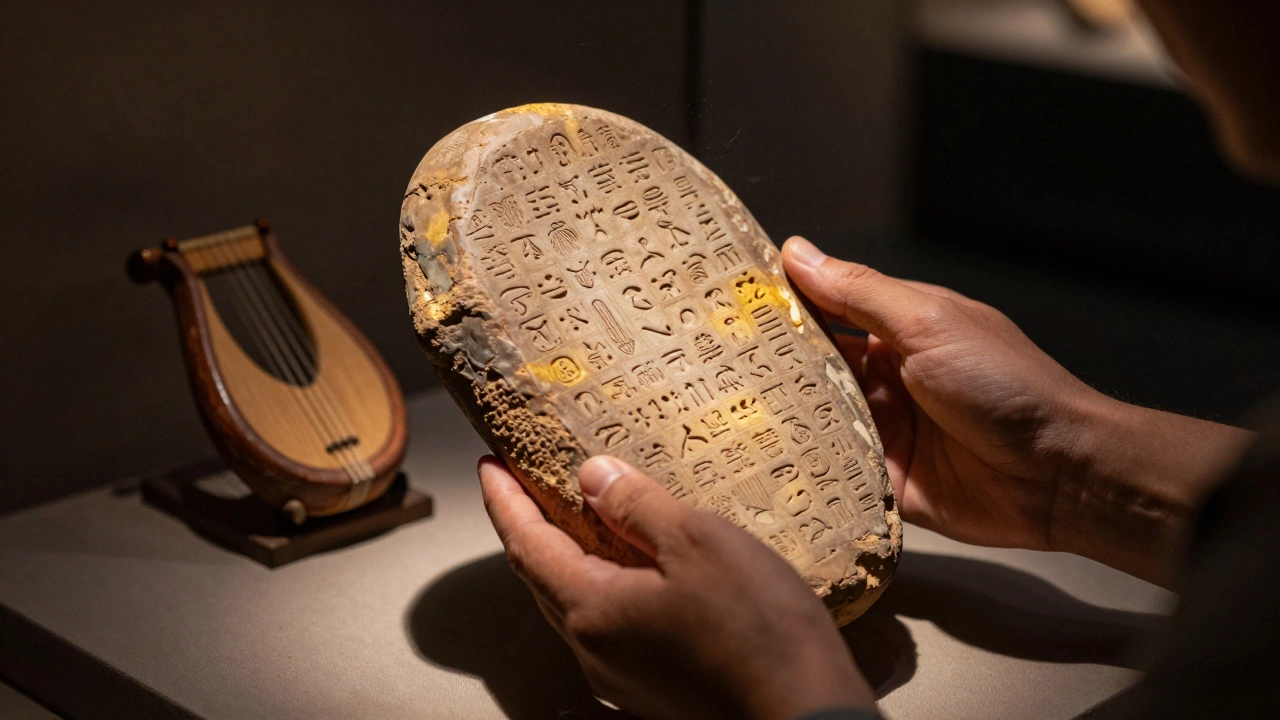
In 1950, archaeologists uncovered a clay tablet in Ugarit, modern-day Syria. Dated to around 1400 BCE, this tablet holds the world's oldest known notated melody-the Hurrian Hymn the oldest known notated melody, dating back to approximately 1400 BCE. It's not a genre but a specific song dedicated to a goddess. The tablet uses cuneiform script to record musical instructions. This discovery shows that ancient civilizations had sophisticated music systems long before written genres existed. The Hurrian Hymn remains a crucial piece of evidence in understanding early musical practices.
What's fascinating about the Hurrian Hymn is how it was deciphered. Researchers found that the cuneiform symbols included both lyrics and musical notation. The song was likely performed with a lyre, an ancient string instrument. This shows that even 3,400 years ago, people were creating structured music with specific instructions. But again, it's a single piece, not a genre. It's part of ancient Mesopotamian music, which was part of religious rituals. This highlights how early music was deeply tied to culture and spirituality, not commercial or artistic categories.
Without the Hurrian Hymn, we'd have little concrete evidence of ancient music. Most early music was passed down orally and disappeared. This tablet gives us a rare window into the past. But it doesn't represent a genre-it's one example of music from a specific time and place.
Oral Tradition: Music Before Written Genres
Before written notation existed, music was shared through oral tradition. This means songs were learned by listening and repeating, not reading sheet music. Oral tradition is the backbone of all early music. It's how songs traveled across generations and cultures. Think about how Native American tribes, African communities, or Indigenous Australians passed down stories and rituals through song. These traditions didn't have names like 'folk' or 'classical'-they were simply part of life.
Oral tradition is why we can't pinpoint a single oldest genre. Music evolved differently in every community. A West African drumming pattern, a Polynesian chant, or a Celtic folk melody all have ancient roots. But they weren't classified as separate genres until much later. These traditions were functional: songs for hunting, healing, or storytelling. They served practical purposes rather than fitting into artistic categories.
Even today, oral tradition remains vital. Many cultures still pass down music this way. The blues, for example, started as oral traditions before becoming a formal genre. This shows how genres grow from unclassified roots. The oldest 'genre' isn't a style-it's the process of sharing music through spoken word and performance.
Cultural Variations in Ancient Music
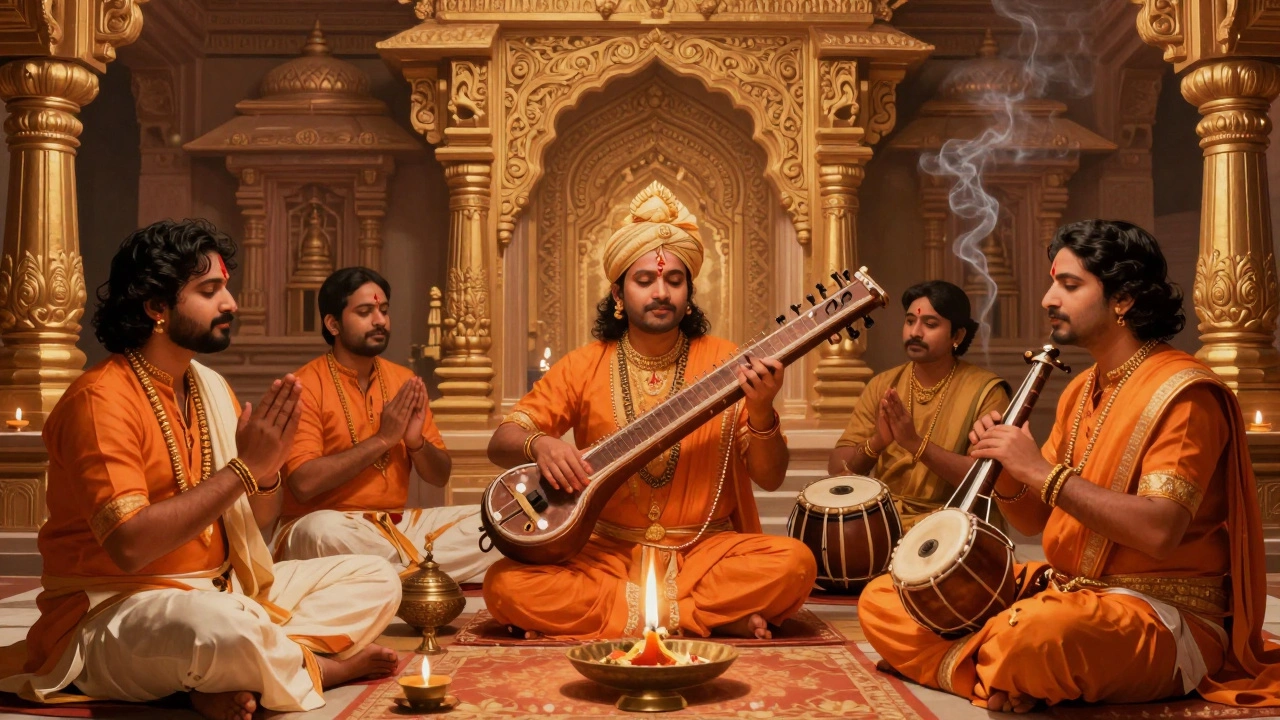
Every ancient culture had its own musical practices. In China, the ancient Chinese music dates back over 3,000 years and includes instruments like the guqin. In India, the Vedic chants are among the oldest religious musical traditions, dating to 1500 BCE. In Greece, the ancient Greek music was part of theater and philosophy, with texts describing musical scales. Each culture developed unique sounds based on their environment and beliefs.
These traditions weren't labeled as 'genres' but were integral to their societies. For example, Vedic chants were sacred hymns used in rituals. Ancient Greek music was tied to poetry and drama. Chinese music was part of court ceremonies and philosophical teachings. Each had its own rules and instruments, but they weren't categorized as separate genres. Instead, they were simply 'the music of our people.'
This diversity shows why there's no single oldest genre. Music developed in parallel across the world, shaped by local customs. What we now call 'folk music' is actually a collection of these diverse traditions, each with its own history.
How Genres Evolved Over Time
Genres began to form when societies started documenting music. The invention of musical notation in the Middle Ages allowed composers to write down songs. This led to the development of classical music in Europe. But even then, genres were fluid. For example, Gregorian chants were part of the Catholic Church's liturgy but weren't called 'genres' until later.
During the Renaissance, composers started categorizing music into forms like madrigals or motets. The Baroque period brought opera and concerto. Each new style emerged from existing traditions. Jazz, for instance, grew from African American work songs and blues. Rock and roll came from rhythm and blues. Every genre has roots in older, unclassified music.
The key point is that genres don't appear out of nowhere. They evolve from cultural practices that were once part of daily life. What we now call 'folk music' is actually the umbrella term for all these traditions before they were labeled. So the oldest 'genre' isn't a style-it's the collective oral traditions that fed into all modern genres.
Why Folk Music is the Closest Answer
When historians talk about the oldest music, they often point to folk music. But here's the catch: folk music isn't a single genre. It's a broad category for music passed down through communities. Folk songs vary wildly by region-a Scottish ballad, an Appalachian fiddle tune, or a Brazilian samba all fall under 'folk' but have distinct origins.
Folk music is the closest we have to an 'oldest genre' because it represents the earliest unclassified musical traditions. These songs were created by ordinary people for everyday life. They were shared orally, changed over time, and reflected community identity. Unlike classical music, which was composed by trained musicians for elites, folk music was the music of the people.
But even 'folk' as a term is modern. It was coined in the 19th century to describe traditional songs. Before that, people just called it 'our music.' So while folk music is the best answer to the question, it's still not a single genre. It's a collection of countless traditions that predate genre labels altogether.
Is the Hurrian Hymn considered a genre?
No, the Hurrian Hymn is a specific song, not a genre. It's the oldest known notated melody, but genres as categories didn't exist at that time. The hymn is part of ancient Mesopotamian music traditions, which later influenced various musical styles. Genres developed much later as cultures formalized their music practices.
Why isn't Gregorian chant the oldest genre?
Gregorian chants are ancient, dating to around the 9th century CE, but they're not the oldest. Music existed long before this-like the Hurrian Hymn from 1400 BCE. Gregorian chants are part of Western liturgical music, but they're a specific tradition within a broader religious practice. They weren't classified as a genre until much later and are just one branch of early music.
How do we know about ancient music without recordings?
We rely on archaeological evidence like musical instruments, notation tablets, and written descriptions. For example, the Hurrian Hymn was found on a clay tablet with cuneiform symbols. Ancient texts from Greece and China describe musical scales and instruments. Ethnographic studies of oral traditions also help us understand how early music was shared. While we don't have recordings, these sources give us valuable insights into ancient musical practices.
What's the difference between folk music and traditional music?
Folk music is a subset of traditional music. Traditional music includes any music passed down through generations, which can be religious, ceremonial, or cultural. Folk music specifically refers to music created by ordinary people for community use, often with simple structures and oral transmission. While all folk music is traditional, not all traditional music is folk-some religious chants or court music fall under traditional but not folk.
Are there older musical traditions than the Hurrian Hymn?
Yes, the Hurrian Hymn is the oldest notated melody we have evidence for, but music existed long before. Archaeologists have found bone flutes dating back 40,000 years in Europe. These instruments suggest humans were making music tens of thousands of years ago. However, without written notation, we don't know the exact songs or styles from that era. So while the Hurrian Hymn is the oldest known notated piece, the actual practice of music is far older.