Watercolor Mistakes, Portrait Painting, and Modern Art: November 2025 Archive
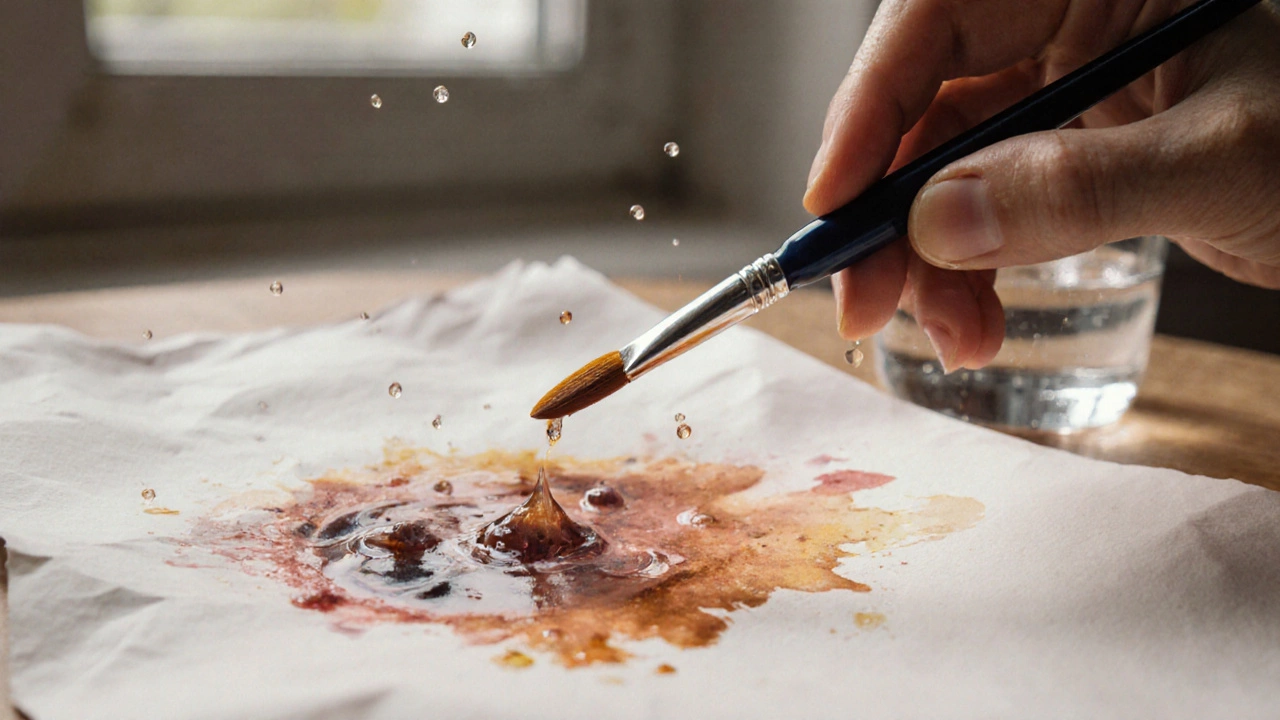
When you work with watercolor, a transparent painting medium that demands control, timing, and patience. Also known as transparent watercolor, it’s one of the most unforgiving yet rewarding ways to make art—mistakes show up fast, and there’s no hiding them. This month, we broke down the top errors artists make: overworking the paper, skipping quality materials, and reaching for black paint when they should be mixing shadows. These aren’t just tips—they’re survival rules for anyone who wants clean, bright results.
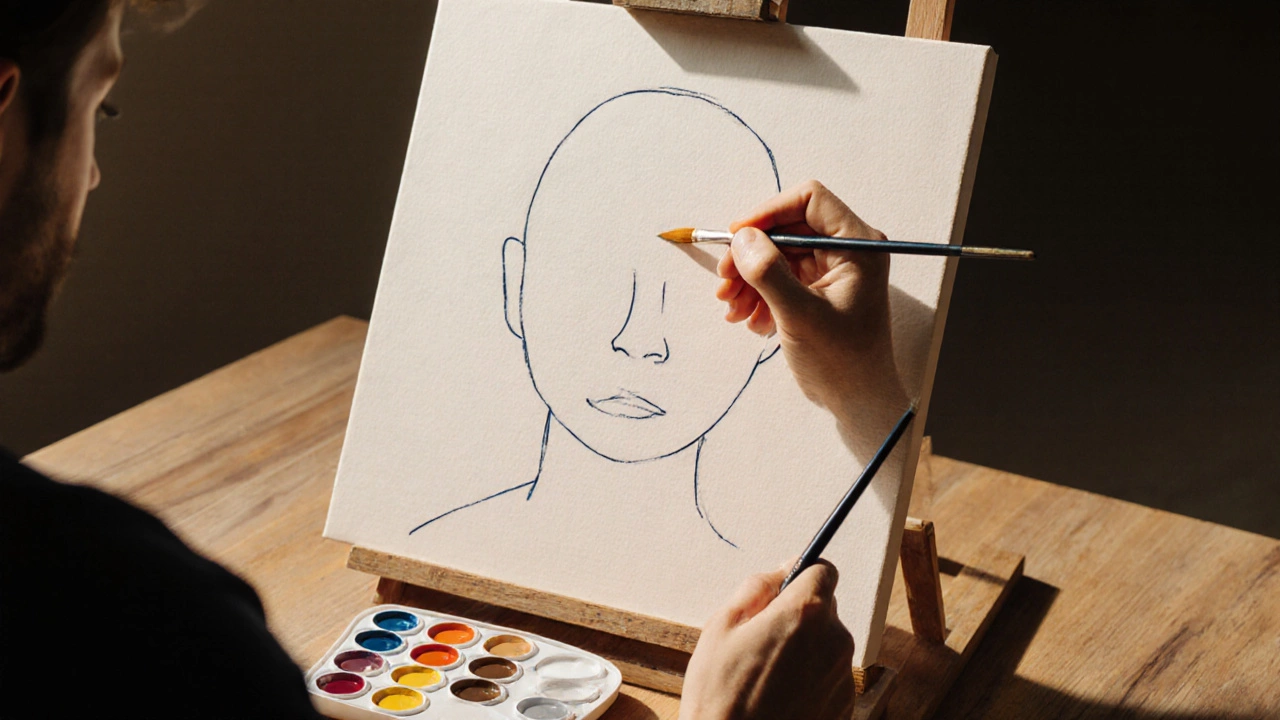
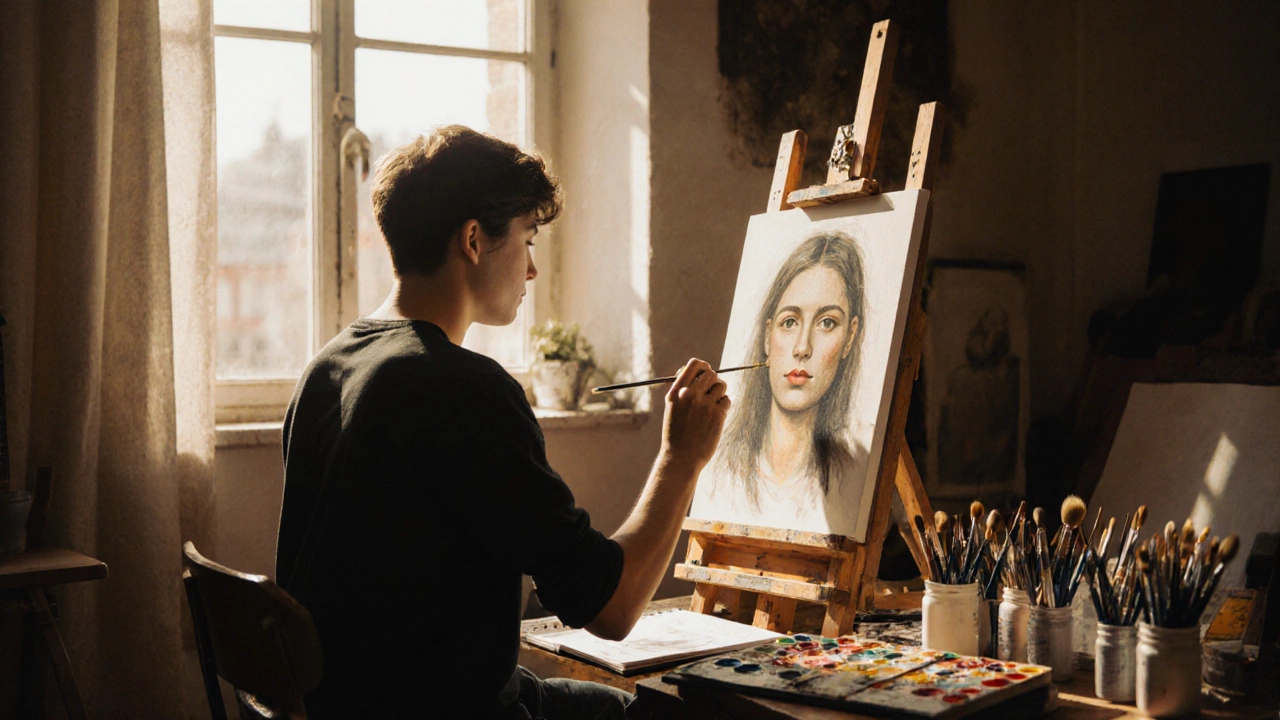
Portrait painting, the art of capturing a person’s likeness through value, shape, and subtle color shifts. Also known as figurative painting, it’s not about perfect lines—it’s about seeing light and shadow like a sculptor. We shared a simple step-by-step method for beginners: block shapes first, use only three colors, paint from dark to light. And if you’re wondering how much your portrait could sell for, we gave real prices—from $100 student pieces to $50,000+ works by established artists. It’s not magic. It’s market reality.
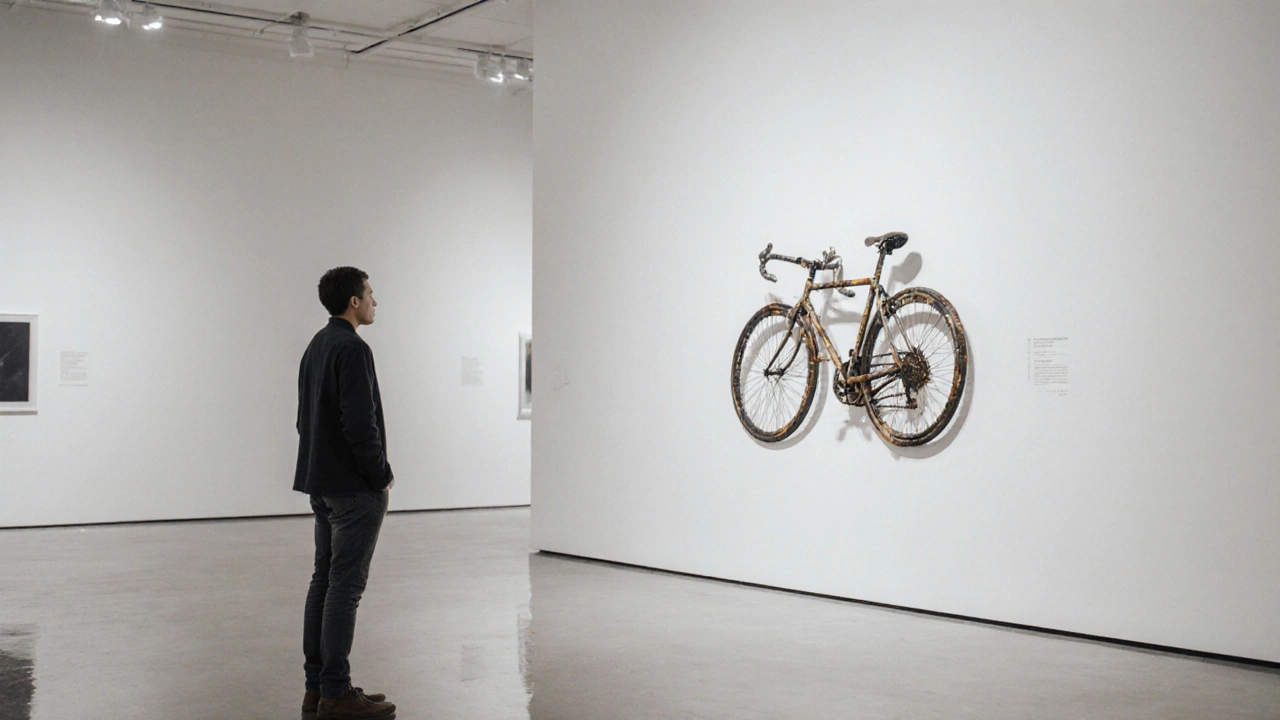
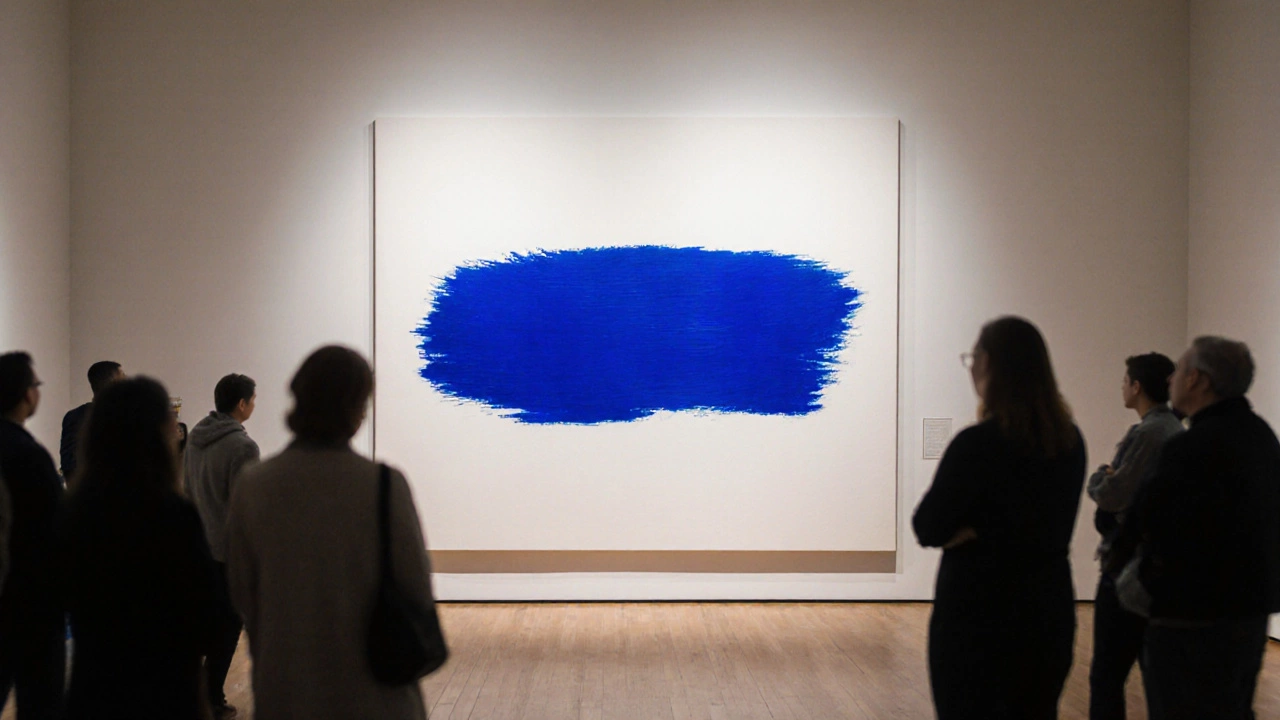
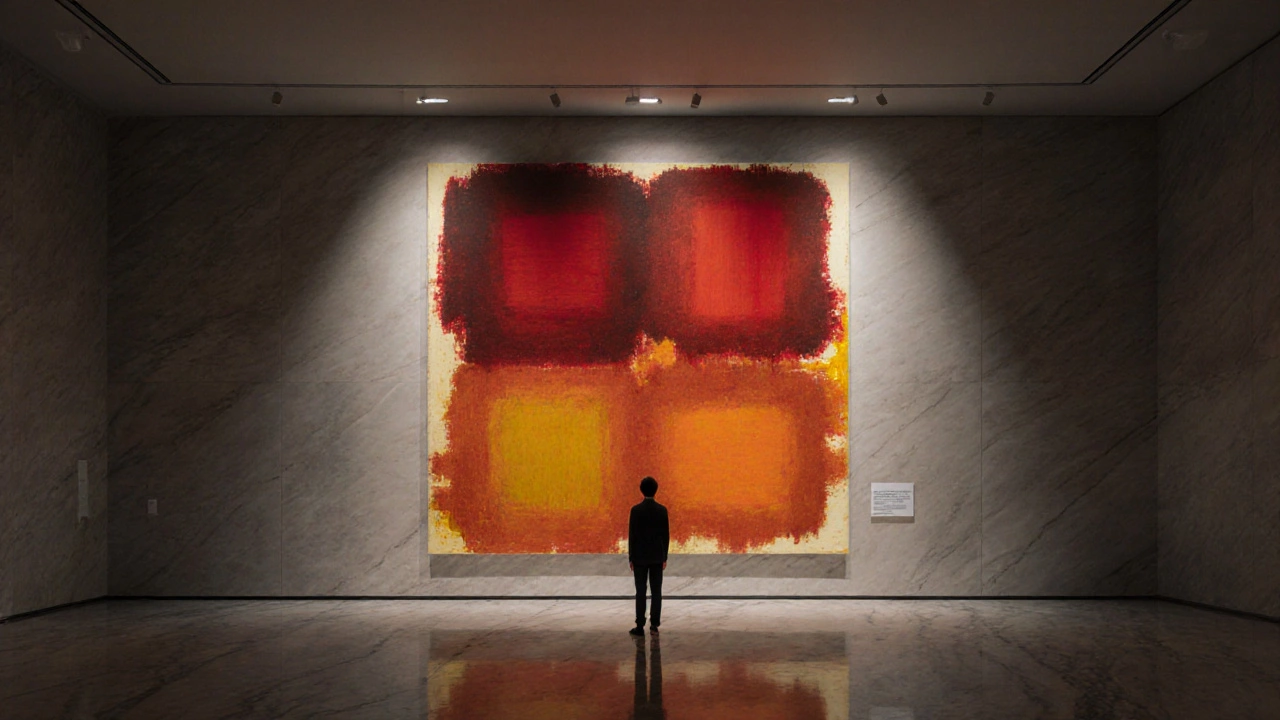
Modern art, a broad movement that prioritizes concept over technique, often challenging what we think art should look like. Also known as contemporary art, it’s the reason some people walk away confused—and others stand in awe. We asked why it feels so alienating, and the answer isn’t that artists lost skill. It’s that they stopped trying to please the eye and started asking questions. Van Gogh used synthetic pigments like cadmium yellow and cobalt blue to push emotion further than ever before. Today’s abstract artists do the same with ideas. Rothko’s color fields and de Kooning’s chaos sell for millions not because they’re easy, but because they force you to feel something.
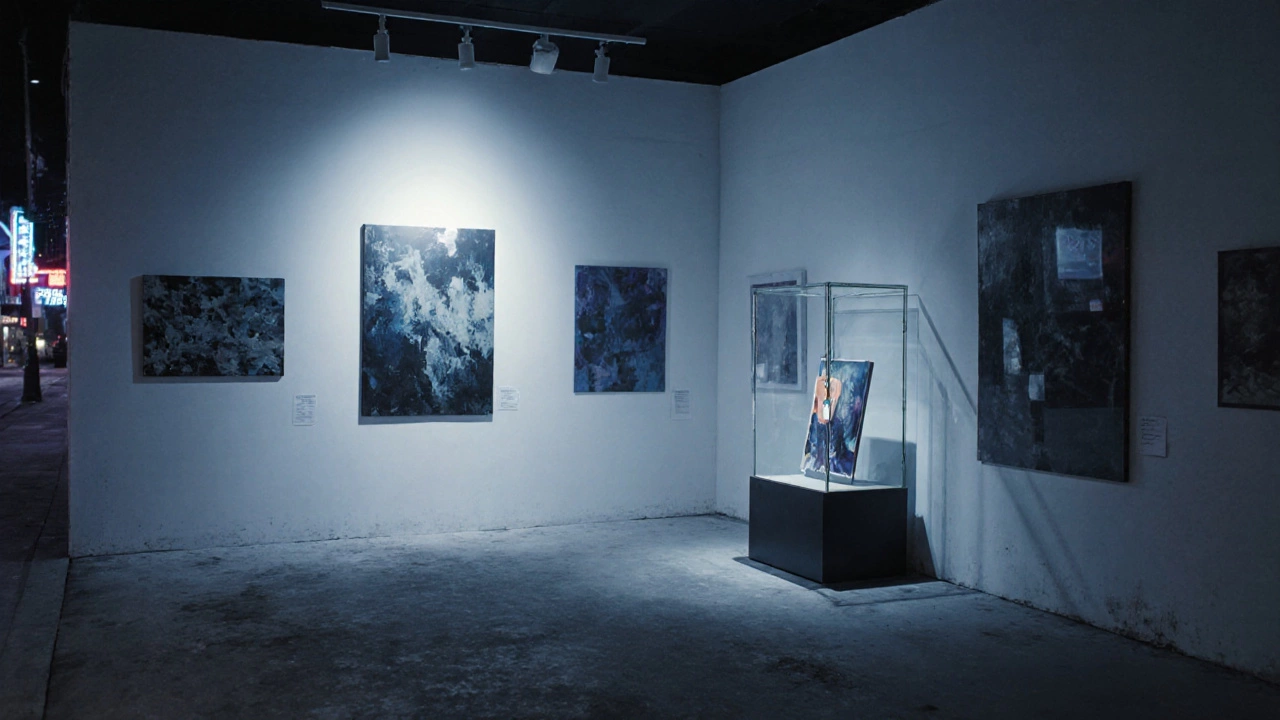
And if you think galleries are just fancy rooms with white walls, think again. Only 45% survive past five years. The ones that do? They know how to sell to collectors, not just hang art. They understand the difference between a pretty painting and a valuable one. We dug into the numbers—what makes a gallery profitable, who buys art, and where the real money flows.
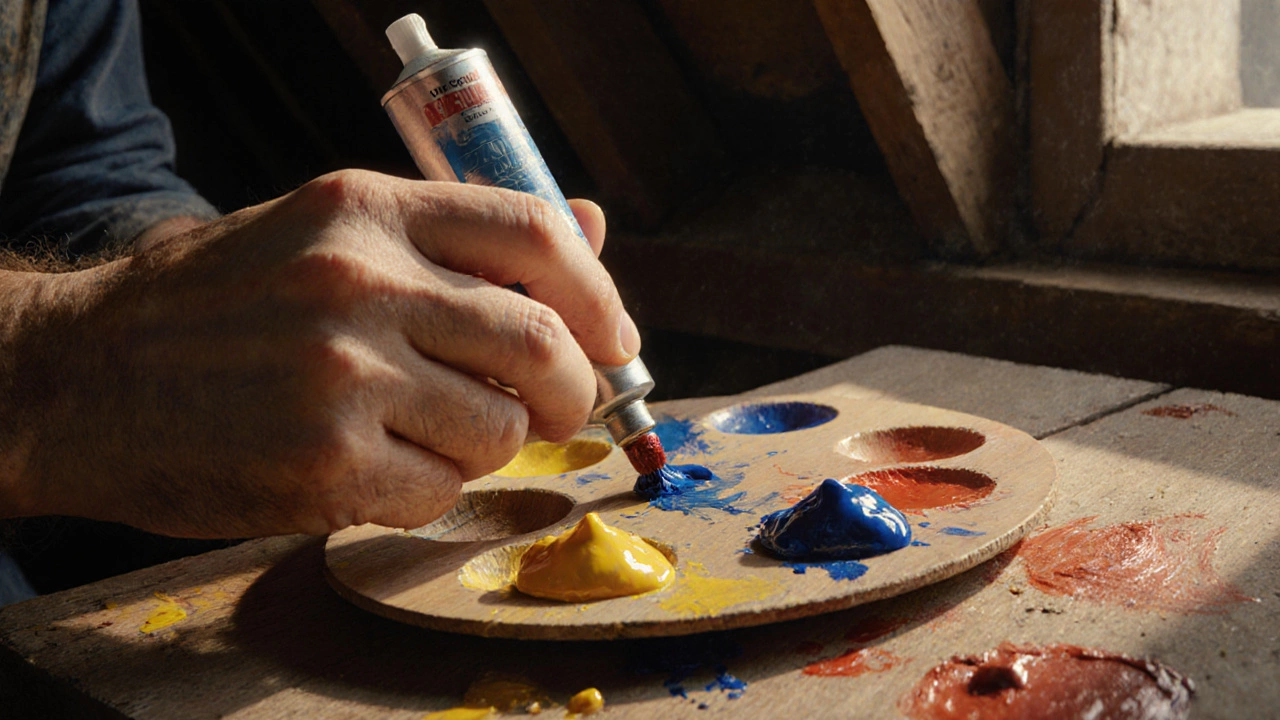
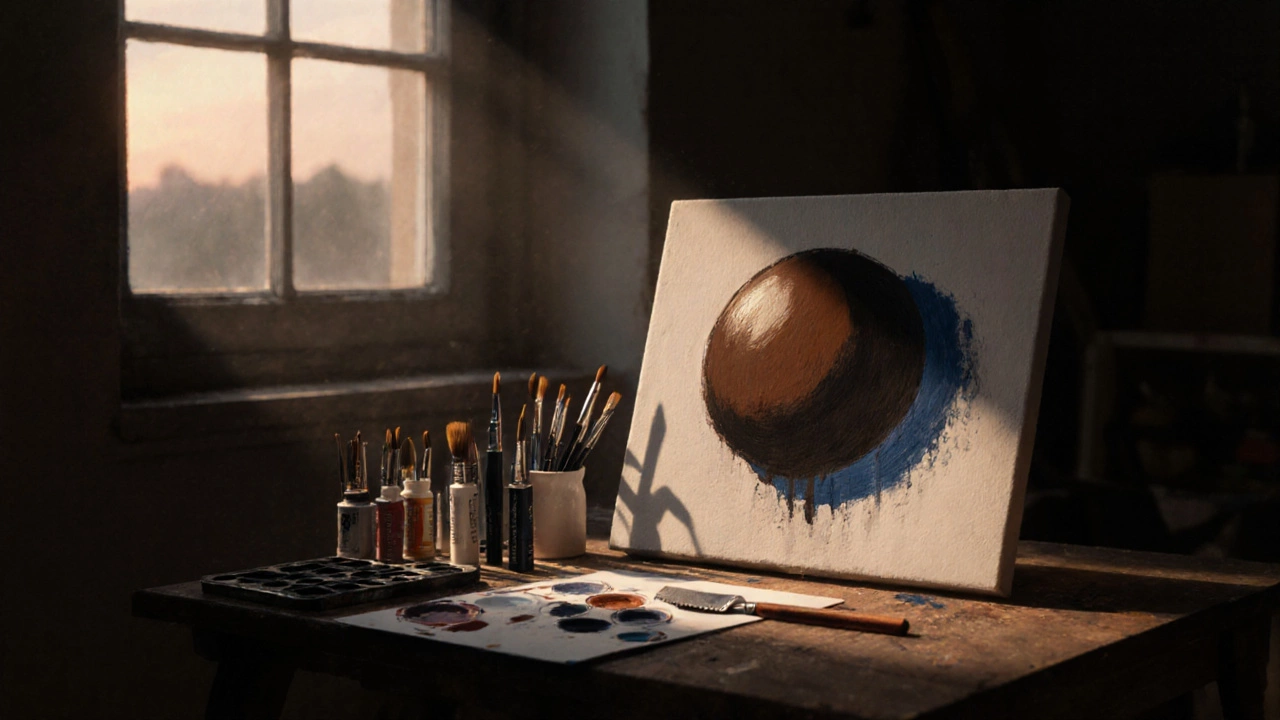
Oil painting? We told you the truth: start with dark. Not because it’s tradition, but because it gives you control. Build shadows first, then lift light out of them. It’s how pros avoid muddy colors and create depth without overworking the surface. And yes, some rules are made to be broken—but only after you’ve mastered them.
This archive isn’t a random mix of posts. It’s a map of what matters right now in art: the technical struggles, the market truths, the emotional power of color and form. Whether you’re holding a brush for the first time or wondering why your portrait won’t sell, you’ll find answers here. No fluff. No theory without practice. Just what works.