Digital Art Sellability Checker
Select the scenario that best describes your artwork to check its commercial viability.
The Truth About Selling Art Without a License
You spent forty hours perfecting a cyberpunk cityscape or a whimsical character design, and now you want to make some money from it. You might be wondering if you need to apply for some official "license" before you can hit the upload button on a marketplace. Here is the short answer: if you created the work from scratch, you already own the license. You are the copyright holder. You don't need to buy a permit to sell something you invented.
However, the plot thickens when your art isn't 100% "from scratch." This is where most artists get into hot water. If you used a specific brush pack, a stock photo for reference, or an AI generator to help with the base layer, the rules change. You aren't just selling your talent; you're selling a product that might contain pieces of someone else's intellectual property. That is when you need to worry about sell digital art permissions.
Quick Summary: Can You Sell It?
- Original Work: Yes, you own it. Sell away.
- Fan Art: Risky. You don't own the characters; the studio does.
- Stock Assets: Depends on the license (Commercial vs. Personal).
- AI Generated: Complex. Current laws in many regions don't grant copyright to AI-only works.
The Danger of Using Third-Party Assets
Many digital artists use Asset Packs is pre-made digital elements like textures, brushes, or 3D models designed to speed up the creative process to save time. If you download a "free" texture from a website, don't assume it's free for commercial use. There is a massive difference between "free to download" and "free to sell as part of a product."
If you use a texture labeled "Personal Use Only," and then sell a painting using that texture for $50, you are technically infringing on the creator's copyright. This can lead to DMCA takedown notices or, in worst-case scenarios, legal demands for a percentage of your earnings. Always look for a Commercial License is a legal agreement that allows a user to utilize a piece of intellectual property for profit-making activities .
| License Type | Can You Sell the Art? | Key Restriction |
|---|---|---|
| Public Domain | Yes | None; the work is free for all. |
| CC0 (Creative Commons Zero) | Yes | None; creator waived all rights. |
| CC BY (Attribution) | Yes | Must credit the original creator. |
| Personal Use Only | No | Cannot be used for any profit. |
| Commercial License | Yes | May have a limit on number of copies sold. |
The Fan Art Trap
Let's talk about the elephant in the room: drawing Spider-Man or Pikachu and selling prints on Etsy. Technically, this is a copyright violation. You are using a character owned by Disney or Nintendo . While these companies often ignore small-time artists because it's free promotion, they can-and do-strike your shop without warning.
If you want to sell art based on existing IP, your best bet is to create "transformative works." This means adding enough of your own interpretation, style, and concept that it becomes a new piece of art rather than a copy of a movie frame. Even then, you're skating on thin ice. If you want total security, stick to original characters (OCs).
AI-Generated Art and Ownership
The rise of tools like Midjourney and Stable Diffusion has blurred the lines of ownership. If you prompt an AI to create an image, who owns the license? In the US and several other jurisdictions, the current stance is that AI-generated content without significant human intervention cannot be copyrighted. This means if you sell an AI image, someone else could theoretically steal it, and you might have no legal ground to stop them.
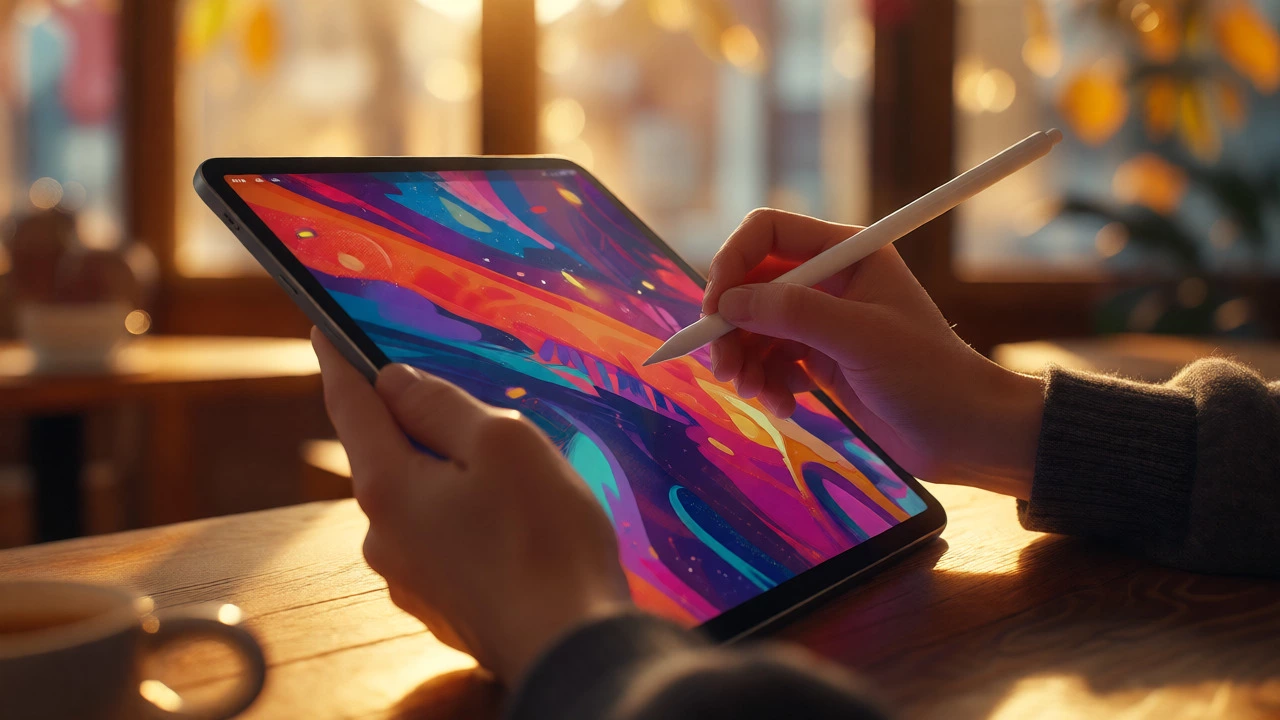
To make AI art "sellable" and protectable, you need to prove "substantial human authorship." This means using the AI as a starting point and then spending hours painting over it, changing the composition, and adding unique details in Adobe Photoshop is a professional raster graphics editor used for image manipulation and digital painting or Procreate. The more you change, the more the copyright shifts toward you.
How to License Your Own Work
Now that we know you don't need a license to *start* selling, let's talk about how you give licenses to your *buyers*. When someone buys a piece of digital art, they aren't usually buying the copyright; they are buying a license to use it. If you don't specify this, you might accidentally give away your rights.
Think about it like this: if a company pays you $200 for a logo, do they own it forever, or are they just paying to use it on their website? You should define this in your Terms of Service. Common options include:
- Full Buyout: You transfer all rights to the buyer. You can't sell it to anyone else, and you might not even be able to post it in your portfolio without permission. This should cost the most.
- Exclusive License: Only that buyer can use the art, but you still own the copyright.
- Non-Exclusive License: You can sell the same piece of art to a hundred different people (like a digital sticker pack).
Common Pitfalls and How to Avoid Them
The biggest mistake artists make is assuming that "changing 10% of the image" makes it legal. There is no magic percentage that makes a copyrighted image suddenly yours. Whether it's a photo you found on Pinterest or a screenshot from a game, if the original is recognizable, you are at risk.
Another trap is the "Fair Use" myth. Many believe that as long as they aren't making a million dollars, it's Fair Use. In reality, Fair Use is a legal defense used in court, not a shield that prevents you from being sued. It's much cheaper to use a Royalty-Free is a type of licensing where the creator allows the user to pay a one-time fee to use the work multiple times without paying ongoing royalties image from a site like Unsplash or Pexels than to fight a legal battle.
Do I need a business license to sell digital art?
A business license is different from an art license. While you don't need a creative license to sell your original work, your local government might require a general business permit or tax ID (like a VAT or EIN) if you are earning a significant income. This depends on your country and city, not on the art itself.
Can I sell art if I used a free brush pack?
Usually, yes. Most brush creators provide the brushes for free specifically so artists can create commercial work with them. However, you should check the "Read Me" file in the brush pack. If it explicitly says "not for commercial use," you cannot sell the resulting art.
What happens if I sell art and get a copyright strike?
If you receive a DMCA takedown notice, the first step is to remove the art immediately. If the copyright holder is aggressive, they may demand a settlement payment. The best way to handle this is to be professional, remove the content, and avoid repeating the mistake. If you're unsure, consulting an intellectual property lawyer is the safest move.
Is it legal to sell digital art as NFTs?
Yes, provided you own the rights to the image. Minting an NFT does not grant you copyright if you didn't have it before. Selling someone else's art as an NFT is still copyright infringement, and blockchain records make it very easy for the original artist to prove you stole the work.
Do I need to sign a contract for every digital commission?
For small $20 sketches, a written agreement in an email or DM is usually enough. But for larger projects (over $100), a simple contract is a lifesaver. It should specify who owns the final work, how many revisions are included, and whether the buyer has the right to resell the piece.
Final Steps for a Safe Art Business
If you are just starting out, keep a folder of all the licenses for the assets you use. If you used a specific 3D model for a background, save a screenshot of the license page that says "Commercial Use Allowed." This saves you from panic if a platform ever flags your account.
For those moving into professional freelancing, create a standard "Usage Guide" for your clients. Tell them exactly what they can and cannot do with your art. When you are clear about your boundaries, you avoid the awkward conversations and legal headaches that come with misunderstood ownership.